
KRA Moves Income Tax Returns to the Web as Filing Rules Change
New filing deadlines, AI-powered assistance and auto-populated returns are laying the foundation for a simpler, more connected approach to annual tax compliance.

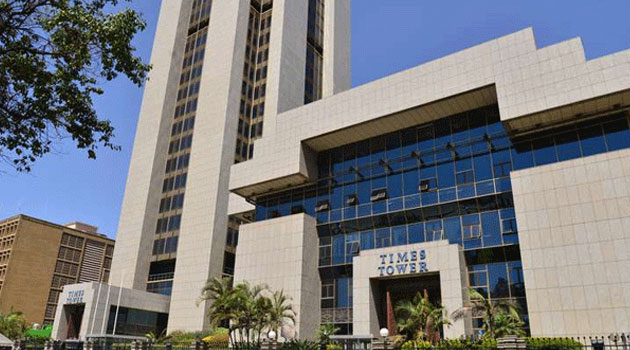
KRA is preparing to replace Excel-based income tax returns with a browser-based filing system, marking one of the biggest changes to Kenya’s tax administration since the launch of iTax.
The overhaul follows reforms under the Finance Act 2026 that introduced staggered filing deadlines and sets the stage for a filing process built around online services, artificial intelligence and taxpayer data already held by the authority.
Beginning January 1, 2027, individual taxpayers whose year of income ends in December will file their annual returns by April 30, while companies and other non-natural persons will continue filing by June 30. KRA says the new filing calendar will be supported by a browser-based return system that eliminates the need to download, complete and upload Excel templates.
The tax authority unveiled the plans as it outlined the next phase of its digital transformation, arguing that simplifying the filing process is just as important as changing the statutory deadlines.


Why KRA Is Replacing Excel-Based Tax Returns
The existing workflow requires taxpayers to download an Excel return, populate multiple schedules, validate the file and upload it back to iTax. While functional, the process has long presented challenges for taxpayers unfamiliar with the templates and has generated thousands of support requests during the annual filing period.
A browser-based platform removes much of that complexity. Instead of working offline, taxpayers will complete their returns directly through secure online forms, allowing KRA to update filing requirements centrally whenever tax laws change rather than requiring users to install new templates.

The approach also gives the authority greater flexibility to introduce guided forms, automated validation and real-time error checking before returns are submitted.
KRA believes that combining the new filing deadlines with a modern online platform will also help ease the pressure that traditionally builds around the annual filing deadline.
How Finance Act 2026 Changes Income Tax Filing
The technology overhaul follows amendments to Section 52 of the Income Tax Act under Finance Act 2026, which replaced the single filing deadline with separate timelines for different categories of taxpayers.
Natural persons will now submit annual income tax returns by the end of the fourth month after the close of their year of income, while non-natural persons will have until the end of the sixth month.
For most salaried employees whose tax year ends in December, the practical effect is a new filing deadline of April 30 instead of June 30.
Separating the filing calendar does more than spread taxpayers across different months. It gives KRA additional time to process returns, manage system demand and support taxpayers without concentrating millions of filings within the same period.
Web Filing Forms Part of a Wider Digital Tax Strategy
The browser-based filing system represents one piece of a broader programme to modernise tax administration.
Recent legislative changes have strengthened KRA’s ability to rely on electronic records and integrated data sources when administering taxes. Finance Act 2026 now expressly allows the authority to generate auto-populated income tax returns using information from eTIMS invoices, withholding tax certificates, customs declarations and other third-party data.
That means the online return is expected to become more than a digital replacement for Excel. Over time, taxpayers may find much of their information already available within the filing system before they begin completing a return.
The result is a filing process that places greater emphasis on reviewing and confirming information rather than manually entering every detail.
This also strengthens consistency across Kenya’s digital tax ecosystem by linking income tax returns with transaction records that businesses and employers already submit through other KRA platforms.
WhatsApp, Shuru AI and Auto-Populated Returns
KRA’s filing strategy extends beyond the web portal.
Earlier this year, the authority introduced income tax return filing through WhatsApp for taxpayers with relatively straightforward employment income. The next phase will expand those capabilities to accommodate more complex returns.
The authority also plans to enhance its AI-powered virtual assistant, Shuru, allowing it to provide better guidance throughout the filing process and support taxpayers using WhatsApp and other digital channels.
Together with auto-populated returns, the initiatives reflect KRA’s effort to make compliance less dependent on manual processes. Rather than asking taxpayers to repeatedly enter information the authority already holds, the new systems are designed to reduce administrative effort while improving the accuracy and consistency of tax records. The broader strategy also places greater emphasis on taxpayer experience by making compliance simpler while giving the authority better-quality information to administer the tax system.
What the Changes Mean for Taxpayers and Businesses
For employees earning mainly PAYE income, the reforms promise a simpler filing experience with fewer manual steps and a lower risk of validation errors.
Businesses are also likely to benefit from a more integrated filing environment, although the closer connection between income tax returns, eTIMS records, customs declarations and withholding tax data means inconsistencies may become easier for KRA to identify during compliance reviews.
The reforms arrive as KRA reports record tax collections of Sh2.84 trillion for the 2025/26 financial year, a 10.6 percent increase from the previous year. The authority has credited stronger compliance measures, continued investment in digital tax administration and easier taxpayer engagement for helping lift collections. The results suggest KRA is placing as much emphasis on improving how taxes are administered as on expanding the tax base, using technology to simplify compliance while giving the authority a clearer view of taxable activity.
The success of the reforms will ultimately depend on how well the new platform performs once it is rolled out. A browser-based system must be be able to support millions of taxpayers during peak filing periods while maintaining high standards of cybersecurity and protecting sensitive financial information.
If the rollout proceeds as planned, the retirement of Excel templates will represent more than a software upgrade. It marks another step towards a tax administration model where filing, verification and compliance are brought together through connected digital services, reducing paperwork for taxpayers while giving KRA more reliable information to administer Kenya’s tax system.
A Practical Guide for Businesses Reviewing Their Cybersecurity
Cyber threats continue to evolve, but businesses do not need to navigate those challenges without reliable information. Understanding how modern attacks work is the first step towards making informed security decisions.
The Kaspersky SMB Cybersecurity Guide examines common attack methods, explains the role of modern endpoint protection and outlines how layered security can help businesses detect and respond to threats more effectively. It is designed for organisations looking to strengthen cybersecurity without adding unnecessary operational complexity.


