
Samsung Sets the Stage for Galaxy Unpacked With Fold8 Design Front and Centre
Expected foldables, smartwatches and a broader ecosystem update arrive as the company places industrial design ahead of the usual race over specifications.

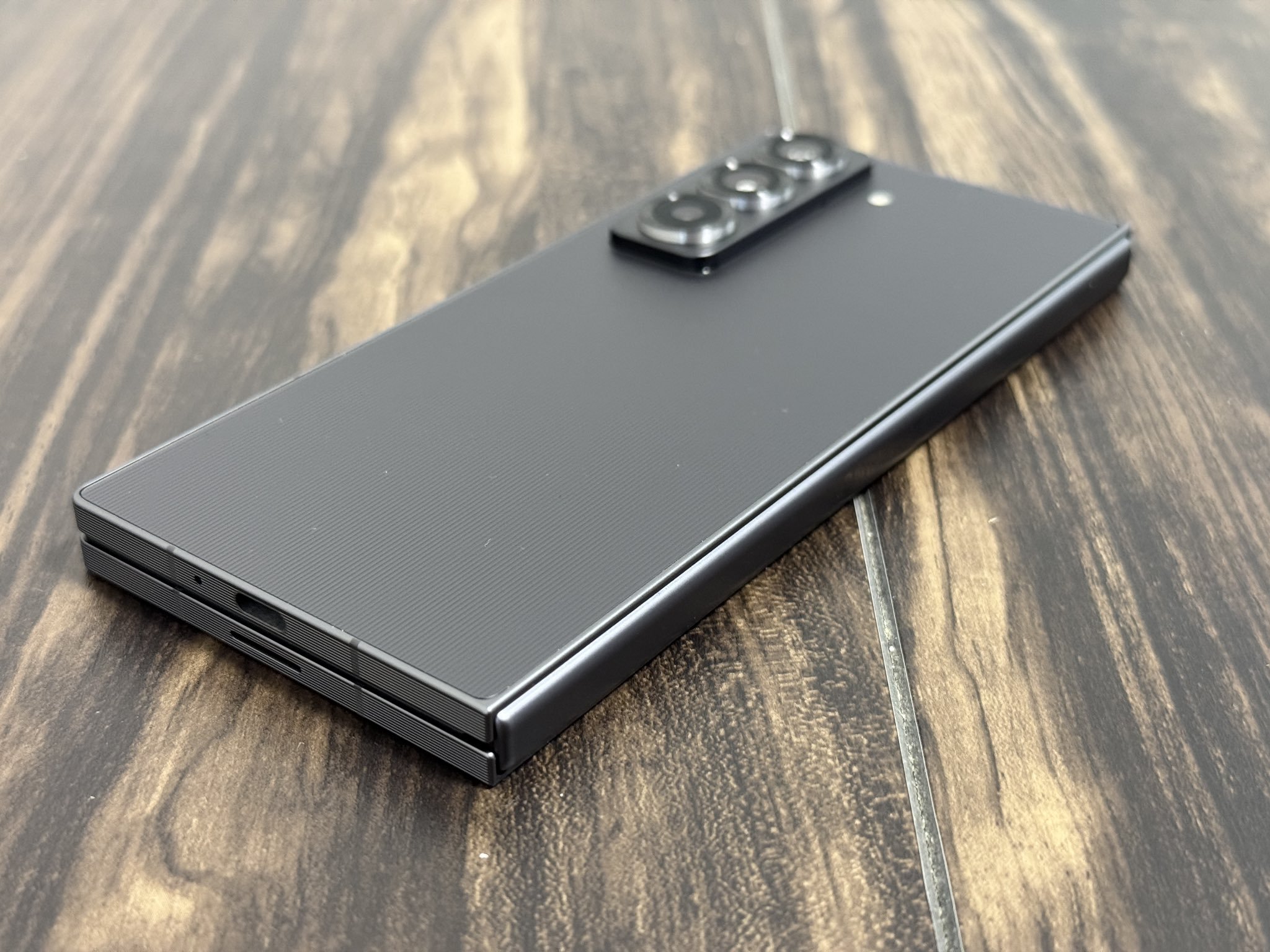
Samsung has confirmed that Galaxy Unpacked will take place in London on July 22, where it is expected to unveil the Galaxy Z Fold8, Galaxy Z Fold8 Ultra, Galaxy Z Flip8 and a new generation of Galaxy wearables.
The hardware itself is largely an open secret after months of leaks. What remains unclear—and what Samsung’s teaser campaign has deliberately kept in focus—is how the company intends to redefine its foldables through design.
Samsung Confirms Galaxy Unpacked for July 22 in London
The event will be livestreamed worldwide through Samsung’s website and YouTube channel, with reservations for the upcoming foldables already open ahead of pre-orders.
Beyond the expected Galaxy Z Fold8 and Galaxy Z Flip8 lineup, Samsung is also tipped to introduce the Galaxy Watch9 series, Galaxy Watch Ultra 2 and Galaxy Able, making this one of the company’s broadest premium product launches in recent years.

Yet Samsung has spent remarkably little time talking about any of those products. Instead of previewing cameras, processors or AI features, its pre-launch campaign has centred on a single theme: shape. That choice has turned industrial design—not specifications—into the defining question ahead of Galaxy Unpacked.
Why Samsung’s Teaser Campaign Focuses on Shape Instead of Specs
The clearest clue comes from Samsung’s official tagline: “A New Shape Unfolds.”

Rather than teasing camera upgrades, chipset performance or Galaxy AI features, Samsung has built its campaign around a series of short visual puzzles. One trims excess space from a photo strip. Another removes a rectangular slice from a pizza. A third reshapes a jigsaw puzzle until its proportions appear “just right.” The final teaser reveals the number eight alongside the words, “Bold stroke. New shape.”
Viewed individually, the clips reveal very little. Together, they create a consistent message centred on proportion, silhouette and physical form.
That approach marks a departure from Samsung’s usual pre-launch strategy. Previous Galaxy launches often previewed hardware features before unveiling the devices. This time, Samsung is inviting audiences to interpret design rather than specifications, allowing curiosity to drive discussion ahead of the event.
The campaign also aligns with reports that Samsung has refined the physical design of its next foldables instead of relying solely on annual hardware upgrades.
How a Wider Galaxy Z Fold8 Could Change the Foldable Experience
The strongest rumours surrounding the Galaxy Z Fold8 point to a wider cover display and a redesigned inner screen with proportions closer to a 4:3 layout. Dummy units and other supply-chain leaks have suggested Samsung could introduce a noticeably different form factor while also expanding the lineup with a Galaxy Z Fold8 Ultra.
If those reports prove accurate, the redesign would influence everyday usability more than benchmark scores ever could.
A wider cover display provides more room for typing, reading, multitasking and media consumption without opening the device. It also changes how the Fold feels in the hand, moving away from the tall, narrow profile that has defined Samsung’s book-style foldables since the original Galaxy Fold.
The debate over foldable proportions has become one of the industry’s most active design discussions.
Some reviewers argue that the traditional narrow Fold remains easier to use with one hand when closed, while wider foldables deliver a more balanced transition between smartphone and tablet. Others see broader displays as the natural evolution of the category because they make the outer screen behave more like a conventional smartphone while preserving the productivity advantages of a larger internal display.
Samsung’s teaser campaign appears to embrace that discussion rather than avoid it. By making “shape” the central theme before unveiling any specifications, the company is encouraging audiences to think first about how the next Fold will be used rather than how fast it will perform.
Beyond the display itself, reports have also pointed to hinge refinements and reduced display creasing. Samsung has not confirmed those details, but they fit naturally within a campaign built around industrial design and physical refinement rather than processing power or camera hardware.


