
SpaceXAI Is Official. The Rebrand Reveals Where Musk Wants AI to Fit
Months after absorbing its AI startup, the company has completed a rebrand that reflects a broader effort to unify computing, software and space infrastructure.

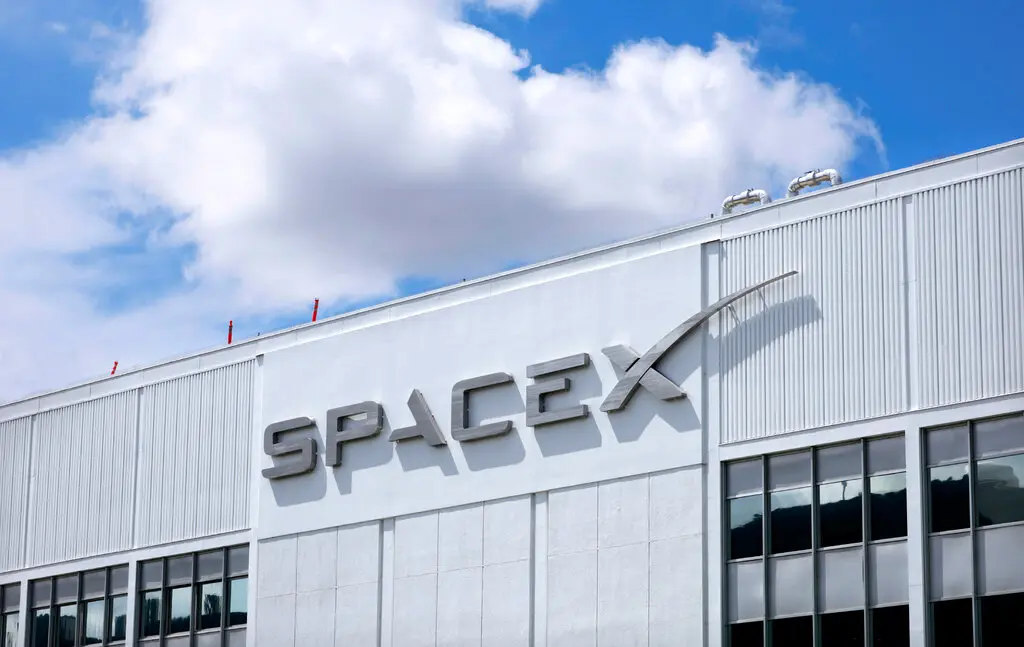
The SpaceXAI rebrand is now official, bringing the xAI name to an end months after SpaceX acquired the artificial intelligence company founded by Elon Musk. The company unveiled a new logo, renamed its official account on X to @SpaceXAI and declared, “We are now @SpaceXAI,” completing a transition Musk first outlined in May.
On the surface, the announcement is a straightforward name change. Look a little closer, however, and it marks the final public step in folding Musk’s AI ambitions into a single corporate identity that now spans rockets, satellite internet, artificial intelligence and social media.
xAI Is Now SpaceXAI
The rebrand closes a process that began earlier this year when SpaceX acquired xAI, bringing together the company behind Grok and the social platform X under the same umbrella.
Since then, Musk has said xAI would no longer operate as a separate company. Monday’s announcement puts that plan into practice.


The accompanying logo animation reinforces the message. Rather than introducing a completely new identity, it visually folds the xAI branding into the familiar SpaceX design, presenting AI as part of the company’s core business rather than a standalone venture.
The decision also completes a broader restructuring that has been unfolding across Musk’s companies for months. Rather than operating as separate businesses connected by common ownership, SpaceX, xAI and X have been moving toward a more integrated model built around AI, computing infrastructure, connectivity and distribution. That makes the rebrand more than a marketing exercise—it is the public face of a corporate integration that has been underway behind the scenes.

More Than a New Logo
Corporate rebrands often follow acquisitions, but the timing of this one is notable.
The change comes weeks after SpaceX’s public listing, giving the company a simpler story to tell investors, customers and partners. Instead of separate brands representing rockets, AI and social media, SpaceXAI becomes the public identity for the company’s artificial intelligence efforts.
The move also aligns with how SpaceX has been presenting its future. IPO documents described AI alongside its space and connectivity businesses, reflecting the company’s view that computing infrastructure will become a major part of its long-term growth.
That narrative extends beyond consumer products like Grok. SpaceX has spoken about expanding AI infrastructure through large-scale computing facilities and, eventually, orbital data centres, tying its space business directly to its AI ambitions.
The rebrand also reflects a strategy TechTrendsKE has previously described as “infrastructure stacking.” Rather than acquiring xAI simply to add another business line, SpaceX has been assembling complementary assets—from AI models and compute to satellite communications and software distribution—inside one ecosystem. The retirement of the xAI brand suggests the company now wants those capabilities viewed as part of SpaceX itself rather than as adjacent businesses.
A Clearer Brand, But Questions Remain
While the new name simplifies branding, it does not answer every question about how the combined business operates.
The announcement did not explain how products, teams or reporting structures will be organised under SpaceXAI. Nor did it clarify how AI services, X and infrastructure businesses will be presented going forward.
That gap is notable because branding and corporate structure are not the same thing. A company can present one identity publicly while maintaining multiple operating units behind the scenes.
For customers, the immediate impact is clarity. The xAI brand has been retired, making it easier to associate Grok and future AI products with the broader SpaceX ecosystem.
The move also contrasts with many high-profile technology acquisitions where the acquired company’s brand survives for years. Instead of preserving xAI as a distinct identity, SpaceX has absorbed it into its own, indicating that AI is no longer being positioned as a separate venture but as a core capability alongside launch services and connectivity.
Why the Rebrand Matters
The new identity also says something about where SpaceX sees its future.
The company is no longer presenting AI as an adjacent experiment. By placing it inside the SpaceX brand, it is linking artificial intelligence to launch services, satellite connectivity through Starlink and computing infrastructure under one corporate banner.
That direction mirrors a broader trend across the technology industry, where companies are seeking greater control over the AI value chain—from compute and connectivity to software and customer distribution. While many firms assemble those pieces through partnerships, Musk’s businesses have been moving toward tighter internal consolidation, bringing strategic assets under common ownership rather than relying on external relationships.
For readers, the rebrand is less about a logo than about how the company wants to be understood. Rather than asking people to follow several interconnected businesses, SpaceX is asking them to see AI as another core part of the company alongside rockets and satellites.
Whether that makes the business easier to understand will depend on what comes next. The branding is now unified, but the products, organisational structure and long-term roadmap will become clearer only as SpaceXAI evolves beyond its new name.
A Practical Guide for Businesses Reviewing Their Cybersecurity
Cyber threats continue to evolve, but businesses do not need to navigate those challenges without reliable information. Understanding how modern attacks work is the first step towards making informed security decisions.
The Kaspersky SMB Cybersecurity Guide examines common attack methods, explains the role of modern endpoint protection and outlines how layered security can help businesses detect and respond to threats more effectively. It is designed for organisations looking to strengthen cybersecurity without adding unnecessary operational complexity.
Download the free Kaspersky SMB Cybersecurity Guide here to learn how businesses can move beyond traditional antivirus and build a more resilient approach to cybersecurity.
Go to TECHTRENDSKE.co.ke for more tech and business news from the African continent and across the world.
Follow us on WhatsApp, Telegram, Twitter, and Facebook, or subscribe to our weekly newsletter to ensure you don’t miss out on any future updates. Send tips to editorial@techtrendsmedia.co.ke


