YouTube and UK Creators Push Back Against Proposed Media Reforms

The government consultation explores whether online platforms should give greater visibility to trusted news providers, prompting concern among independent creators about future recommendations.

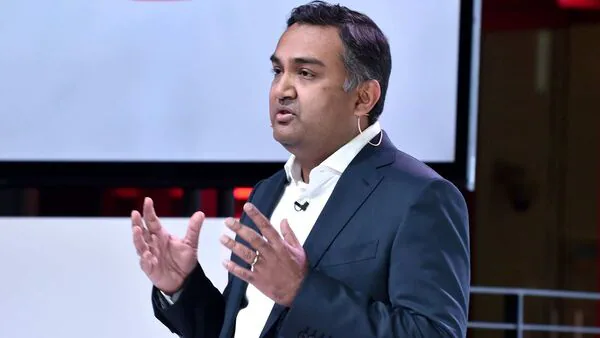
YouTube is urging British creators to respond to the YouTube UK media green paper consultation after the UK Government published proposals that could reshape how trusted news and public service media are presented on digital platforms.

Through its “Keep YouTube Yours” campaign, the platform argues that measures being explored in the government’s Watch this space consultation could affect how videos are recommended and discovered. The consultation remains open until 31 August 2026, allowing creators, broadcasters, publishers and the public to submit their views before the government decides whether to pursue legislative changes.
Why YouTube Is Asking Creators to Speak Up

YouTube has begun notifying creators across the United Kingdom about the consultation, warning that proposals under discussion could influence the recommendation systems that help viewers discover videos.

Campaign material shared with creators argues that any future requirement to give greater prominence to public service broadcasters such as the BBC, ITV and Channel 4 could make it harder for independent channels to compete for visibility. YouTube says recommendation systems should continue reflecting viewer interests rather than regulatory obligations.

The company is encouraging creators to read the consultation and submit responses before the deadline, framing the exercise as an opportunity for those who rely on the platform for their businesses to contribute to the policy debate.

JOIN OUR TECHTRENDS NEWSLETTER

What the UK Media Green Paper Proposes

The government’s consultation does not introduce new laws or require YouTube to change its recommendation system.

Instead, it examines whether reforms are needed as audiences consume more news and entertainment through online platforms than through traditional broadcasting.

Among the questions raised is whether trusted news providers and public service broadcasters should be easier to discover online. The consultation also explores the future of television distribution, the role of public service media in the streaming era and ways to improve media literacy.

The document asks for evidence from technology companies, broadcasters, publishers, researchers and members of the public before any policy decisions are made.

Why Independent Creators Are Concerned

For many creators, recommendation systems determine whether videos reach new audiences.

That has made discoverability one of the central issues in YouTube’s campaign.

The company argues that giving preferential treatment to selected broadcasters could reduce exposure for independent creators whose growth depends on recommendations and search results. Creator discussions online have also raised concerns about audience choice, advertising revenue and competition if recommendation systems are altered through regulation.

Those concerns represent one side of the consultation. The government has not proposed a final prominence regime and is seeking views on whether intervention is necessary and, if so, how it should work.

The Government’s Case for Reform

The consultation argues that the media environment has changed as audiences spend more time on digital platforms where recommendation systems influence what users watch and read.

The government says policymakers must consider how reliable journalism remains accessible while public service broadcasters adapt to online viewing.

It also links the discussion to broader questions about misinformation, the sustainability of public service media and whether existing broadcasting rules remain suitable for internet-delivered content.

The consultation therefore extends beyond YouTube. It examines how media policy should operate across online news, streaming services and connected television.

What Happens After the Consultation

The consultation closes on 31 August 2026.

Responses from YouTube, broadcasters, publishers, creators, industry groups and members of the public will help inform the government’s next steps. Any legislative proposals would follow a separate policy process and could change substantially from the ideas presented in the green paper.

For now, the debate reflects competing priorities. The government is examining whether trusted news deserves greater visibility online, while YouTube and many creators argue that recommendation systems should remain driven by viewer behaviour rather than regulatory preference.

How those competing views are balanced could shape the relationship between public service media, technology platforms and independent creators in the United Kingdom for years to come.

Cybersecurity Resource

Cyber threats are rising fast for Kenyan small and medium-sized businesses, and many remain unprepared for today’s evolving risks. Kaspersky’s free guide explains the most common threats facing SMBs and outlines practical steps businesses can take to strengthen their cybersecurity.

Download the guide here.

Go to TECHTRENDSKE.co.ke for more tech and business news from the African continent and across the world.

Follow us on WhatsAppTelegramTwitter, and Facebook, or subscribe to our weekly newsletter to ensure you don’t miss out on any future updates. Send tips to editorial@techtrendsmedia.co.ke

Facebook Comments

FORUM

By George Kamau

I brunch on consumer tech. Send scoops to george@techtrendsmedia.co.ke
Back to top button
×