

Google Cloud Brings New AI Investments to Africa at Inaugural Johannesburg Summit
New commitments spanning cloud infrastructure, applied AI research and digital talent development outline a broader strategy that reaches well beyond enterprise computing.

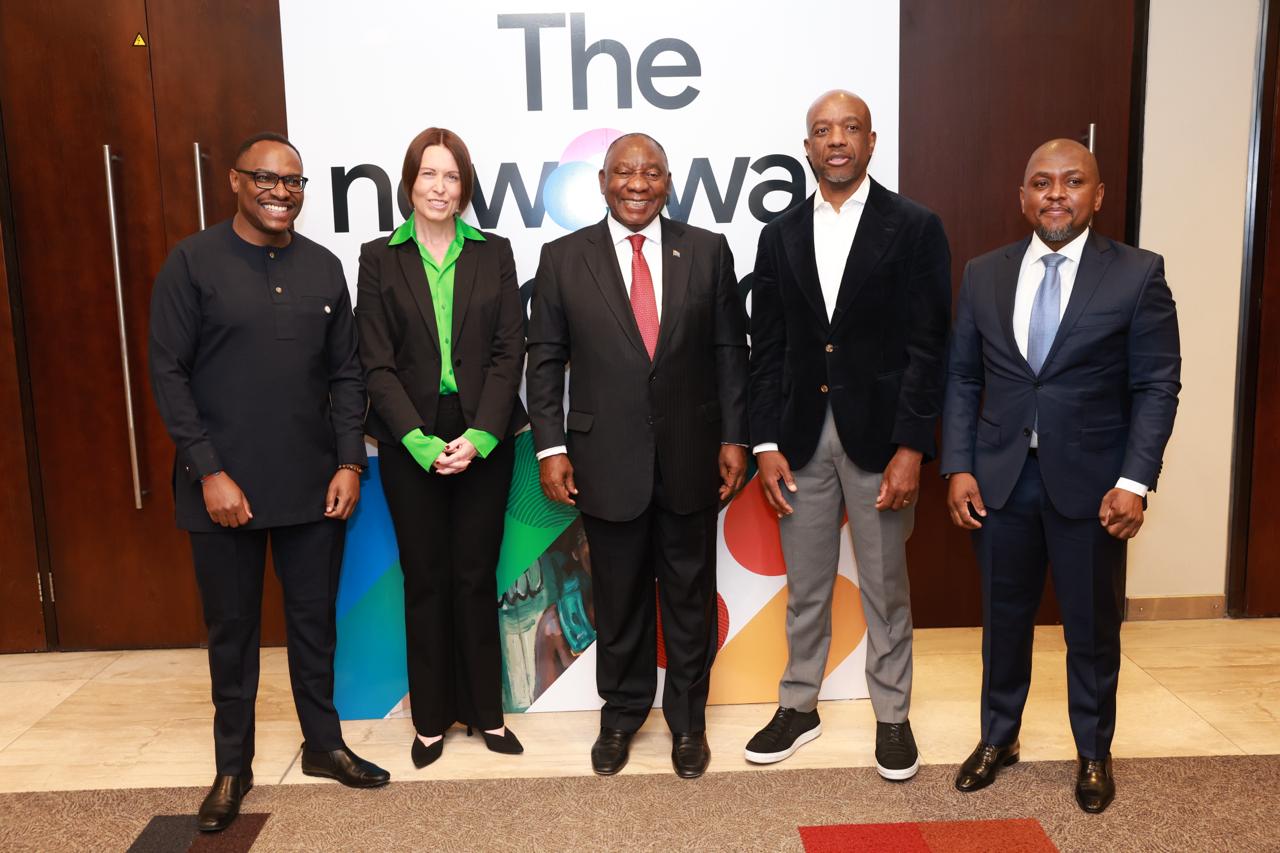
Google has expanded its long-term technology strategy on the continent with a series of infrastructure, artificial intelligence and startup investments announced during the Google Cloud Africa Summit 2026 in Johannesburg.
The inaugural event brought together more than 3,000 executives, developers, public sector leaders and technology partners as the company outlined plans that extend well beyond cloud services into research, digital skills and AI entrepreneurship.
Opening the summit, South African President Cyril Ramaphosa described artificial intelligence as a defining opportunity for the country’s digital economy, saying South Africa aims to position itself as a catalyst for Africa’s next phase of technological development.
The announcements build on Google’s existing investments across Africa, including its Johannesburg Cloud Region, its $1 billion commitment to the continent, AI research funding and the AI Community Centre established in Accra.


Google uses inaugural Africa Cloud Summit to unveil new investments
Google introduced five major initiatives under its “Building for Africa” programme, covering infrastructure, AI research, education and startup development.
The company will establish its first African Digital Exchange Port in South Africa’s Eastern Cape. The facility will connect the continent directly to Australia through the Umoja subsea cable while adding a new subsea route to India. Google said the infrastructure will strengthen international connectivity, improve network resilience and support cloud services across Africa.
Google also announced Africa’s first Applied AI Lab, which will operate from the AI Community Centre in Accra, Ghana. The lab will bring together Google Research, the Google AI Futures Fund and venture capital partners to work directly with African founders developing AI products for local markets. Selected startups will receive access to Google’s latest AI models and technical support from Google researchers.
Applications for the programme remain open until August 31.
Connectivity becomes the foundation for Google’s AI ambitions
The new connectivity hub illustrates how Google views digital infrastructure as the foundation for AI adoption.
Rather than focusing solely on cloud capacity, the company is investing across the network that carries AI workloads. Faster international routing and stronger network resilience become more important as enterprises deploy AI applications that depend on cloud computing and large-scale data processing.
The Digital Exchange Port also extends Google’s broader investment in submarine cable infrastructure connecting Africa with global internet routes.
Applied AI Lab brings Google’s research closer to African startups
The Applied AI Lab stands out because it places Google’s research teams closer to African entrepreneurs rather than limiting support to grants or accelerator programmes.
The lab will help founders build products around African languages, local business environments and region-specific challenges. Google says the objective is to support a new generation of AI-native companies capable of serving domestic markets while competing internationally.
That approach reflects a wider strategy described earlier this year by Google Africa Managing Director Alex Okosi, who argued in our latest TechTrends Podcast episode that African startups create the strongest commercial opportunities when they solve local problems first before expanding elsewhere. He also said AI now gives founders practical ways to improve efficiency, reach profitability sooner and build sustainable businesses.
Skills, creators and startups form the next phase of Google’s strategy
Google paired its infrastructure announcements with new education and entrepreneurship programmes.
Working with The Akuna Group, Google.org will provide more than $1 million to help African creators develop AI-powered creative skills and digital storytelling capabilities.
The company will also fund a digital innovation centre at South West Gauteng TVET College’s George Tabor Campus in Soweto through a partnership with WeThinkCode. The facility is intended to expand access to digital skills training for students who have traditionally had limited pathways into the technology sector.
Startup investment also remains central to Google’s plans.
Applications for the 2026 South African Google for Startups Accelerator open on July 21. The programme will select 15 AI-focused startups for mentorship, technical support and equity-free funding as part of Google’s commitment to back 50 African ventures between 2024 and 2028.
Enterprise AI moves beyond experimentation
Google Cloud used the summit to argue that many African businesses have moved from testing AI tools to deploying production systems.
According to the company, organisations including Vodacom, Discovery, Pepkor and Naspers are building autonomous AI agents using Google’s cloud platform to automate business processes and develop new digital services.
James Manyika, Google’s Senior Vice President for Research, Labs, Technology & Society, said the latest investments focus on infrastructure, African-led innovation, education and partnerships that can expand AI development across the continent.
Maureen Costello, Vice President for UK, Ireland and Sub-Saharan Africa at Google Cloud, said the Johannesburg Cloud Region provides the computing foundation for enterprises building AI applications at scale.
A broader ecosystem strategy for Africa
Viewed together, the announcements present a coordinated plan rather than a collection of separate projects.
Google is building infrastructure that supports cloud services, creating research programmes for AI founders, expanding technical education, funding startup development and working with governments and enterprises on AI adoption.
That approach mirrors the framework Google has outlined elsewhere in Africa: infrastructure comes first, followed by skills development, startup support and enterprise deployment, with collaboration between governments, investors and technology companies underpinning each stage of the ecosystem.
The result is a strategy that positions Google not only as a cloud provider, but as a long-term participant in the development of Africa’s AI economy.
Go to TECHTRENDSKE.co.ke for more tech and business news from the African continent and across the world.
Follow us on WhatsApp, Telegram, Twitter, and Facebook, or subscribe to our weekly newsletter to ensure you don’t miss out on any future updates. Send tips to editorial@techtrendsmedia.co.ke


