

M.P. Shah's Move Into The Hub Karen Reflects a Changing Healthcare Playbook
The new Hub Medical Centre extends M.P. Shah Hospital's network beyond its Parklands campus as private healthcare providers focus on accessibility and community-based care.

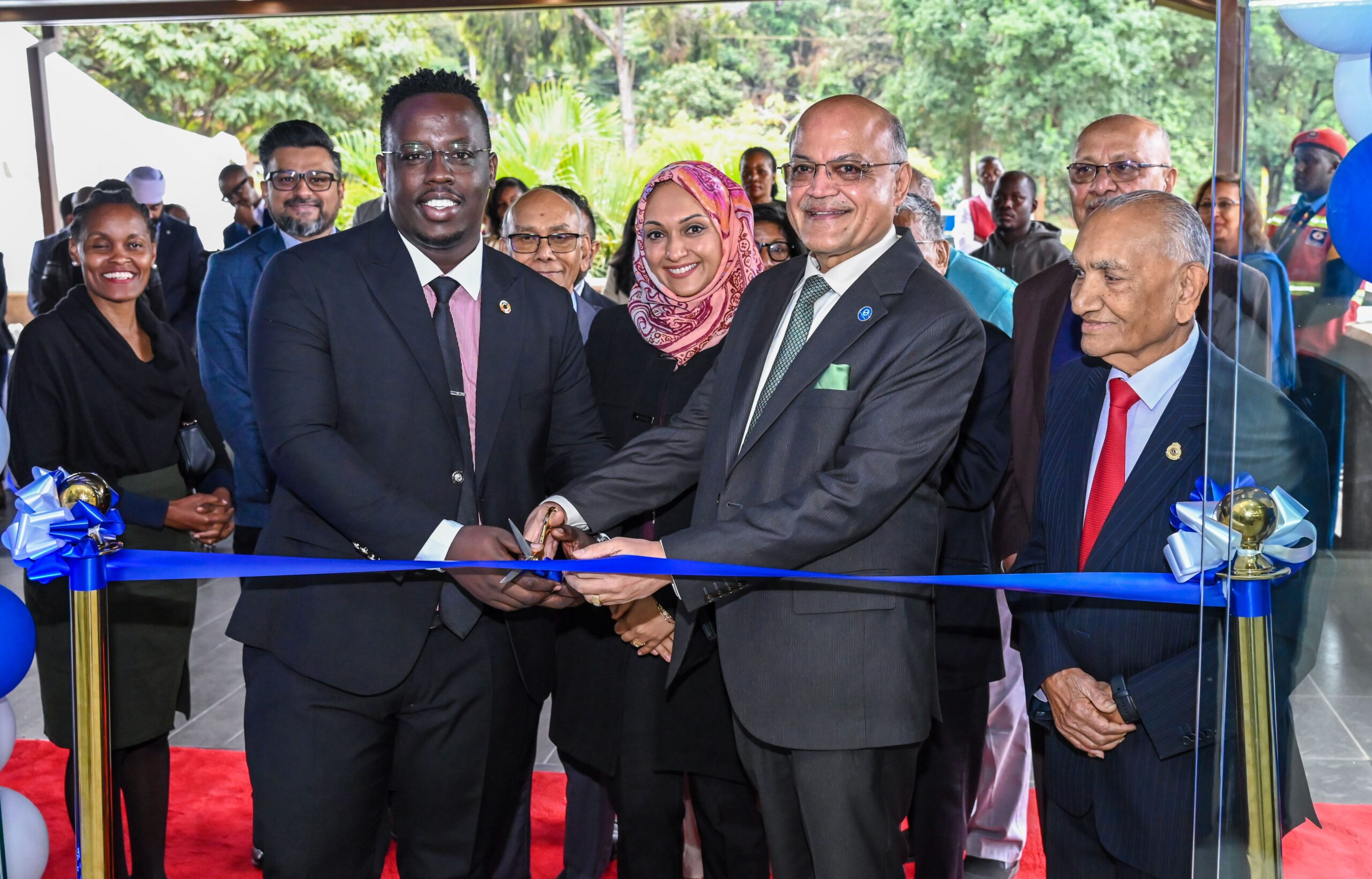
M.P. Shah Hospital recently launched the Hub Medical Centre at The Hub Karen, adding another location to a growing network of healthcare facilities that extends beyond its main Parklands campus. The new centre will offer family medicine, specialist consultations, diagnostics, pharmacy services and preventive care, bringing a broad range of healthcare services closer to residents of Karen and neighbouring communities.
Viewed on its own, the launch is a straightforward expansion project. Viewed alongside the hospital’s recent growth strategy, it offers a window into how private healthcare providers are rethinking expansion in a market where accessibility increasingly matters as much as capacity.
For decades, hospital growth was largely associated with bigger campuses, more beds and larger physical infrastructure. Increasingly, providers are pursuing a different approach: building networks of community-based facilities that place routine and outpatient services closer to where patients live and work.
Healthcare Growth Is Moving Beyond The Main Campus
The Karen facility joins a growing list of M.P. Shah community-based centres established outside the hospital’s primary location. Existing facilities in Spring Valley, Village Market and Nairobi’s central business district point to a strategy focused less on concentrating services within a single destination and more on creating multiple points of access across the city.

That shift reflects changing realities in healthcare delivery. As cities expand and traffic congestion increases, proximity becomes an increasingly important factor in how patients choose where to seek care. Access is no longer measured solely by the quality of medical services available inside a hospital. It is also shaped by how easily those services can be reached.
Karen’s population growth and evolving healthcare needs made it a logical location for the latest expansion. By positioning services within an established commercial and residential hub, M.P. Shah reduces the distance between patients and healthcare providers while maintaining links to its broader clinical network.
Accessibility Is Becoming A Competitive Advantage
The services planned for the Hub Medical Centre reveal the logic behind this model.
Family medicine, paediatrics, obstetrics and gynaecology, dental care, ophthalmology, laboratory services and diagnostic imaging account for a significant share of everyday healthcare interactions. Locating these services closer to patients reduces the need for routine journeys to a major hospital while preserving access to specialist expertise when required.
This reflects a broader evolution in how healthcare organisations think about growth. In sectors ranging from banking to retail, businesses have spent years bringing services closer to consumers rather than expecting consumers to travel to a central location. Healthcare operates under different constraints, but similar expectations around convenience and accessibility are increasingly shaping patient behaviour.
Hospital leaders framed the Karen facility as part of an effort to make healthcare more accessible for surrounding communities. Board Chairman Dr. Manoj Shah described the centre as a healthcare ecosystem designed to provide comprehensive care under one roof, while Chief Executive Officer Dr. Toseef Din emphasised convenience alongside clinical quality.
Community-Based Facilities Are Changing The Economics Of Expansion
Building a full-service hospital requires substantial investment in infrastructure, equipment and specialised staffing. Community-based facilities offer a different path to growth.
Rather than replicating every service at every location, hospitals can distribute high-frequency healthcare interactions across smaller centres while concentrating more specialised procedures and inpatient services at flagship facilities. The result is a networked model that expands reach without requiring a new hospital campus for every stage of growth.
The Karen centre illustrates that balance. Alongside consultations and pharmacy services, the facility will offer diagnostic capabilities including CT scans, ultrasound and X-ray imaging, allowing patients to access a broad range of services without travelling across the city for routine care.
The choice of The Hub Karen is equally telling. Shopping centres increasingly function as service hubs that bring together retail, financial services, government agencies and healthcare providers. For organisations seeking closer connections with consumers, these locations provide access to established communities rather than requiring customers to make dedicated trips to standalone facilities.
Private Healthcare Is Building Networks Rather Than Destinations
The Karen launch forms part of a wider transformation taking place across private healthcare. Growth is increasingly measured not only by the scale of a flagship hospital but also by the reach of the network surrounding it.
For M.P. Shah, that network now extends across multiple locations, creating additional entry points into its healthcare system while keeping specialised services anchored within its broader institutional structure. The strategy allows the hospital to expand geographically without relying exclusively on traditional hospital development models.
When the facility opens fully in July 2026, it will operate daily from 8:00 a.m. to 8:00 p.m., extending M.P. Shah’s strategy of bringing routine and specialist healthcare services closer to patients through a network of community-based access points.
The Hub Medical Centre therefore, represents more than a new healthcare facility. It reflects an emerging approach to healthcare growth in which proximity, convenience and distributed access become central components of how providers compete, expand and serve increasingly urban populations.
As healthcare organisations adapt to changing patient expectations, the future of expansion may depend less on building larger hospitals and more on building stronger networks around them.
Go to TECHTRENDSKE.co.ke for more tech and business news from the African continent and across the world.
Follow us on WhatsApp, Telegram, Twitter, and Facebook, or subscribe to our weekly newsletter to ensure you don’t miss out on any future updates. Send tips to editorial@techtrendsmedia.co.ke


