
Family Bank Heads to the NSE With Ownership Questions Still Unfolding
The lender's move into public trading places ownership limits and governance expectations under closer scrutiny

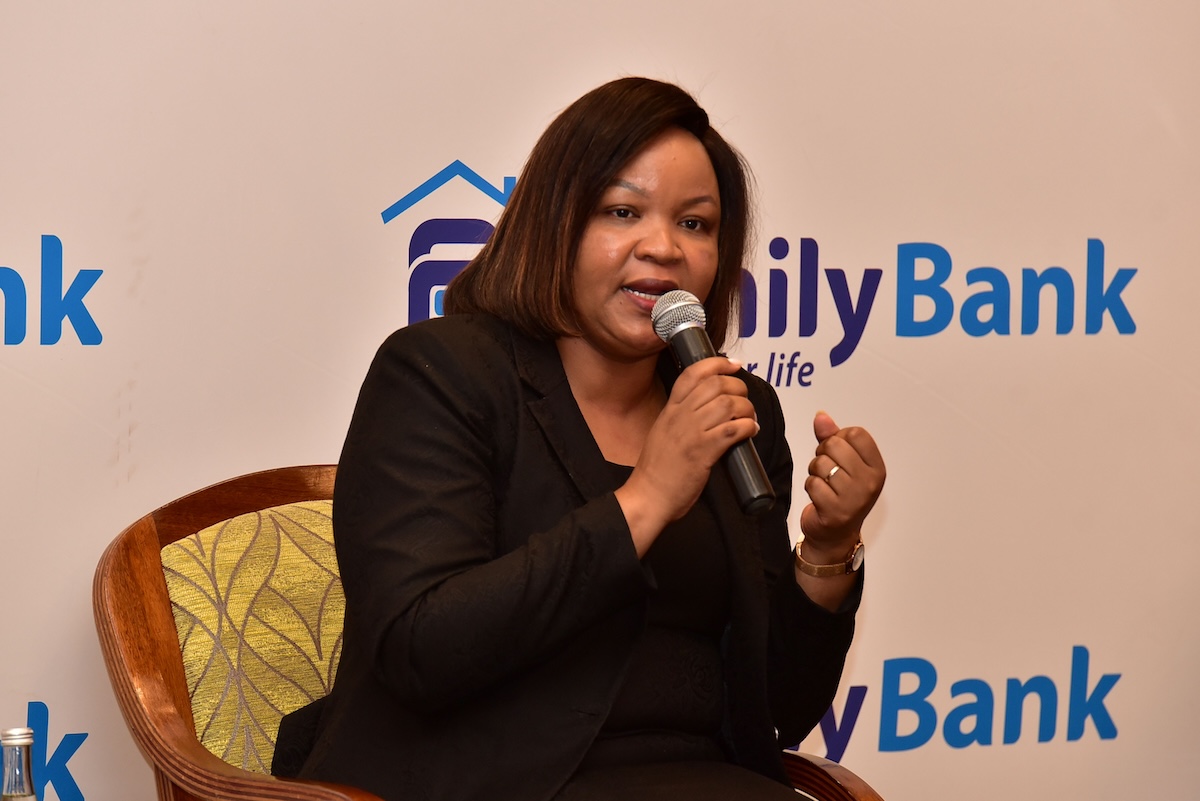
The upcoming Family Bank NSE listing will do more than add another banking counter to the Nairobi Securities Exchange. It will place one of Kenya’s long-held private banking share registers into a fully tradable market environment where ownership concentration, governance expectations and investor liquidity face closer scrutiny.
When trading begins next week, the lender is expected to enter the market with a valuation of about Sh29.9 billion based on a reference price of Sh18 per share. The listing follows years of over-the-counter trading and brings more than 6,300 shareholders into a public market structure.
A significant part of the transition concerns shareholding arrangements that regulators have been monitoring for years.
Banking regulations limit ownership by an individual and related parties to 25 percent. Family Bank’s founding shareholders have historically held a larger combined stake, prompting efforts to broaden ownership through new share issuance and market participation.


Last year’s capital raising exercise attracted fresh investors and expanded the shareholder base. The transaction is expected to contribute to further dilution of concentrated holdings as the lender works toward regulatory expectations.
Kenya Tea Development Agency Holdings remains the bank’s largest shareholder with an ownership stake approaching one-fifth of the institution. Other large investors include the estate of the late Rachael Njeri and entities associated with founder Titus Muya.

Governance considerations have featured prominently in external assessments of the lender. Credit ratings commentary has previously identified concentrated family ownership as an area requiring further reduction as the bank aligns itself with public market standards.
The NSE debut also changes how shareholders interact with their investment.
For years, Family Bank shares exchanged hands through the less active over-the-counter market. Public trading introduces continuous price discovery, broader investor participation and easier entry and exit for shareholders who previously relied on private transactions.
The bank’s decision to list by introduction means no new capital is being sought from public investors during admission to the exchange. Existing shares will simply become available for trading on the bourse.
Financial performance has provided a supportive backdrop to the transition.
Family Bank reported net profit of Sh5.3 billion for the year ended December 2025, following strong earnings growth during the preceding quarters. Expansion in customer deposits, growth in the loan portfolio and increased income from government securities contributed to the results.
The institution also completed a private placement that is expected to raise approximately Sh8 billion once all pending regulatory approvals are concluded. Part of the capital is earmarked for lending expansion, including financing for small and medium-sized businesses, alongside investments in technology infrastructure.
The arrival of Family Bank increases the number of banking stocks available to investors on the Nairobi Securities Exchange and adds nearly Sh30 billion to the market’s capitalization base.
What follows may matter more than the listing ceremony itself.
The public market now becomes the venue through which ownership restructuring, valuation discovery and shareholder turnover will unfold. For a lender that spent years preparing for admission to the exchange, the listing marks the beginning of a new phase rather than the completion of the process.
Go to TECHTRENDSKE.co.ke for more tech and business news from the African continent and across the world.
Follow us on WhatsApp, Telegram, Twitter, and Facebook, or subscribe to our weekly newsletter to ensure you don’t miss out on any future updates. Send tips to editorial@techtrendsmedia.co.ke


