
AVA's Sh1 Billion Expansion Adds Momentum to Kenya's EV Manufacturing Drive
As electric vehicle registrations climb and commercial fleets expand, manufacturers are investing in production capacity they expect the market to need years from now

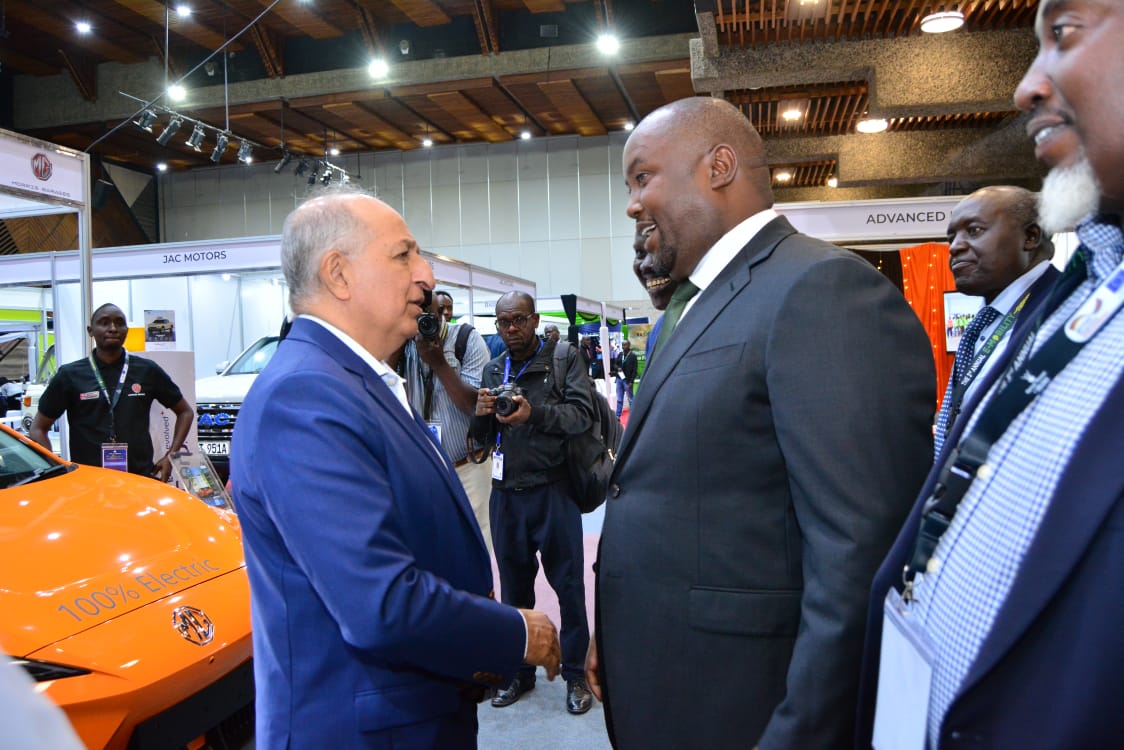
Kenya’s electric vehicle industry is entering a phase where production infrastructure is expanding faster than private consumer demand.
Manufacturers, assemblers, charging-network operators and policymakers are making long-term bets on electric mobility, building capacity that assumes substantially larger vehicle volumes in the years ahead. The focus is increasingly shifting from pilot programmes and vehicle imports to questions of industrial capability, workforce development and local production.
Associated Vehicle Assemblers (AVA), the Mombasa-based company within Simba Corp, has become one of the clearest examples of that trend. The company plans to invest Sh1 billion in a dedicated electric vehicle assembly line, adding specialised equipment, factory modifications and technician training as it expands production capacity.
The facility already assembles electric buses, passenger vehicles, vans and three-wheelers for multiple companies operating in Kenya’s mobility sector.


The investment is unfolding as policymakers attempt to deepen local participation in automotive manufacturing. The proposed National Automotive Industry Development Bill seeks to establish institutions dedicated to industry development, standards, research and local production, part of a broader effort to increase domestic value addition in vehicle manufacturing.
Across the market, evidence of growth is becoming easier to find.

Electric buses assembled in Kenya are operating on commuter routes around Nairobi and its satellite towns. Charging infrastructure is expanding beyond the capital into secondary cities and transport corridors. Manufacturers and fleet operators continue to test commercial models built around public transport, logistics and institutional fleets.
BasiGo says more than 100 electric buses and vans are already operating in Kenya, while reservations exceed 1,200 vehicles across Kenya and Rwanda. Production at AVA’s Mombasa facility forms part of that supply chain.
The industry’s expansion is no longer confined to demonstration projects. Data from the Electric Mobility Association of Kenya shows the country had registered more than 35,000 electric vehicles by the end of 2025, up from just 796 units three years earlier. Most of that growth came from electric motorcycles and other two-wheeler categories, which have generally reached commercial viability sooner than passenger cars.
That distinction matters.
Public transport operators, delivery fleets and institutional buyers have emerged as some of the earliest adopters because vehicle utilisation rates make fuel savings easier to capture. Earlier this year, School of the Nations became the first Kenyan school to introduce electric school buses into its transport operations.
Passenger vehicles remain a relatively small segment despite the broader rise in electric mobility. The market continues to compete against a large supply of imported second-hand internal combustion vehicles, which often enter the country at lower upfront prices.
Electricity consumption figures suggest usage is rising alongside vehicle deployment.
Kenya Power reported that electricity consumption from the e-mobility sector increased by 188 percent during 2025, reaching more than 8.4 million kilowatt-hours. Revenue from EV charging services also increased during the period, offering another indication that utilisation is expanding beyond pilot scale.
Yet manufacturers are not operating in a completely predictable environment.
Recent debate around proposed changes to VAT treatment for electric mobility products exposed concerns among assemblers and industry participants about policy consistency. Companies warned that restrictions on recovering VAT paid on production inputs could raise assembly costs and affect sourcing decisions throughout local supply chains.
The discussion highlighted a challenge facing Kenya’s manufacturing ambitions. Investments in assembly plants, production tooling, supplier relationships and workforce development are designed around long time horizons, while fiscal incentives can be revised through annual budget cycles.
For companies committing capital today, the economics depend not only on future vehicle demand but also on confidence that the policy framework supporting localisation will remain sufficiently stable.
Interest in Kenya’s automotive sector is nevertheless attracting attention from beyond the domestic market. AUTOEXPO Kenya 2026 brought together exhibitors from more than 30 countries, underscoring Nairobi’s role as a regional commercial gateway for manufacturers, distributors and industrial technology suppliers evaluating opportunities across East Africa.
AVA’s expansion reflects that broader outlook.
The company plans to use the new assembly line for both contract manufacturing and vehicles linked to Simba Corp’s own portfolio, including MG electric passenger cars. Existing partnerships already include programmes involving Rideence Africa, BasiGo, Car & General and Dongfeng-linked electric vehicle projects.
The immediate objective is expanding assembly capacity.
The longer-term test is whether Kenya can gradually develop a deeper manufacturing ecosystem around those facilities. That would require growth in local suppliers, engineering capabilities, component production and technical services that extend beyond final vehicle assembly.
Much of that future remains uncertain.
What is already visible is that factories, training programmes and supply chains are being built ahead of mass-market adoption. By the time electric vehicles become a larger part of everyday transport, many of the industrial foundations may already be in place.
Go to TECHTRENDSKE.co.ke for more tech and business news from the African continent and across the world.
Follow us on WhatsApp, Telegram, Twitter, and Facebook, or subscribe to our weekly newsletter to ensure you don’t miss out on any future updates. Send tips to editorial@techtrendsmedia.co.ke


