

Kenyan Banks Chase Scale as Retail and SME Growth Gain Ground
The expansion of retail and SME banking is reshaping how institutions build their balance sheets

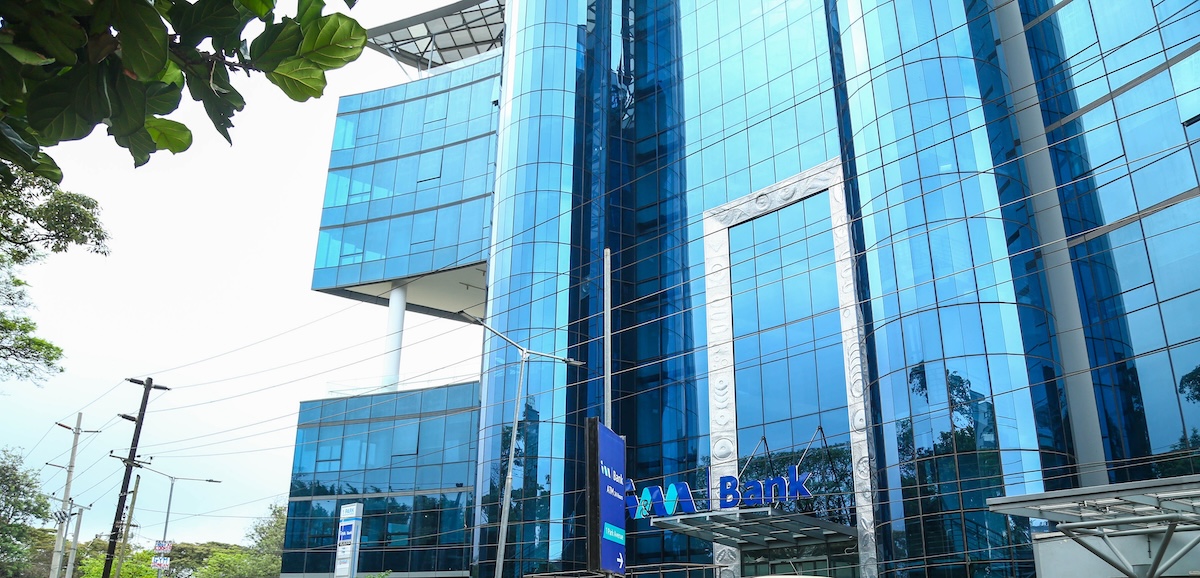
The race for size is becoming a defining feature of Kenya’s banking industry as lenders expand beyond their traditional customer bases in search of new growth.
Recent financial disclosures from listed banks point to a market where balance sheet expansion is increasingly tied to retail banking, SME financing and customer acquisition rather than large corporate relationships alone. The trend is visible across several institutions, including I&M Group, whose assets reached Sh742.5 billion by March 2026, placing it ahead of NCBA Group’s Sh741.1 billion and moving it into fourth position among Kenya’s largest lenders.
While the ranking change attracted attention, it also highlighted a broader development taking place across the sector.
Retail customers are becoming central to expansion plans
Kenyan banks have spent years investing in digital platforms, agency networks and transaction services designed to reach a larger share of households and small businesses.


That approach offers access to a wider deposit base and a larger pool of borrowers. It also reduces dependence on a relatively small number of large corporate clients.
Several lenders have adapted their business models accordingly. Branch networks continue to expand in selected locations even as banks increase spending on digital channels. Customer growth, deposit mobilisation and lending activity have become closely linked to long-term scale ambitions.
I&M’s recent trajectory illustrates how those investments can influence market position. The bank, historically associated with corporate and institutional banking, has spent recent years broadening its presence among SMEs and retail customers.
Asset growth is becoming a competitive tool
Larger balance sheets provide advantages beyond rankings.
Banks with greater asset bases are typically better positioned to fund sizeable transactions, absorb economic disruptions and invest in technology. They also gain additional flexibility when pursuing regional expansion or entering new customer segments.
The latest industry standings show KCB Group and Equity Group Holdings maintaining substantial leads, with assets exceeding Sh2 trillion each. Co-operative Bank remains the third-largest lender by assets at Sh884.57 billion.
Below that tier, competition has become increasingly compressed.
The narrow margin separating I&M and NCBA demonstrates how quickly positions can change when growth rates diverge over several reporting periods.
The pressure to diversify is growing
Profitability remains important, but lenders are also paying closer attention to the composition of their businesses.
Many institutions are seeking a broader mix of revenue streams, deposits and lending activities. SME banking has become particularly attractive because it offers opportunities to build long-term customer relationships while supporting loan growth.
At the same time, digital services have lowered some of the barriers associated with serving large numbers of customers across different regions.
The result is a market where expansion is no longer defined solely by corporate banking strength. Customer reach, transaction volumes and ecosystem development increasingly influence competitive standing.
Regulation is adding urgency
The industry’s pursuit of scale is unfolding against the backdrop of higher capital requirements.
Banks must raise minimum core capital to Sh5 billion by the end of 2026. The threshold rises to Sh6 billion in 2027, Sh8 billion in 2028 and Sh10 billion by the end of 2029.
Those requirements are expected to shape strategic decisions across the sector.
Institutions with stronger capital positions may accelerate growth plans, while others could seek additional funding, strategic investors or consolidation opportunities. Balance-sheet strength is likely to become an increasingly important consideration as the deadlines approach.
A changing competitive landscape
Kenya’s banking hierarchy remains led by a handful of large institutions, but recent results suggest the contest beneath that top tier is becoming more fluid.
Asset rankings can change when lenders successfully expand into new customer segments, deepen deposit mobilisation and sustain lending growth over several years.
The movement seen in the latest quarter reflects that reality. It offers a snapshot of an industry where scale, customer reach and capital strength are becoming closely intertwined, and where competitive positions are increasingly shaped by long-term execution rather than historical standing alone.
Go to TECHTRENDSKE.co.ke for more tech and business news from the African continent and across the world.
Follow us on WhatsApp, Telegram, Twitter, and Facebook, or subscribe to our weekly newsletter to ensure you don’t miss out on any future updates. Send tips to editorial@techtrendsmedia.co.ke