
Signal's Lead in Privacy Persists as AI Features Reach Nearly Every Major Messaging App
Signal led a new privacy ranking of messaging apps as researchers pointed to wide gaps in data collection practices and the rapid spread of AI tools.

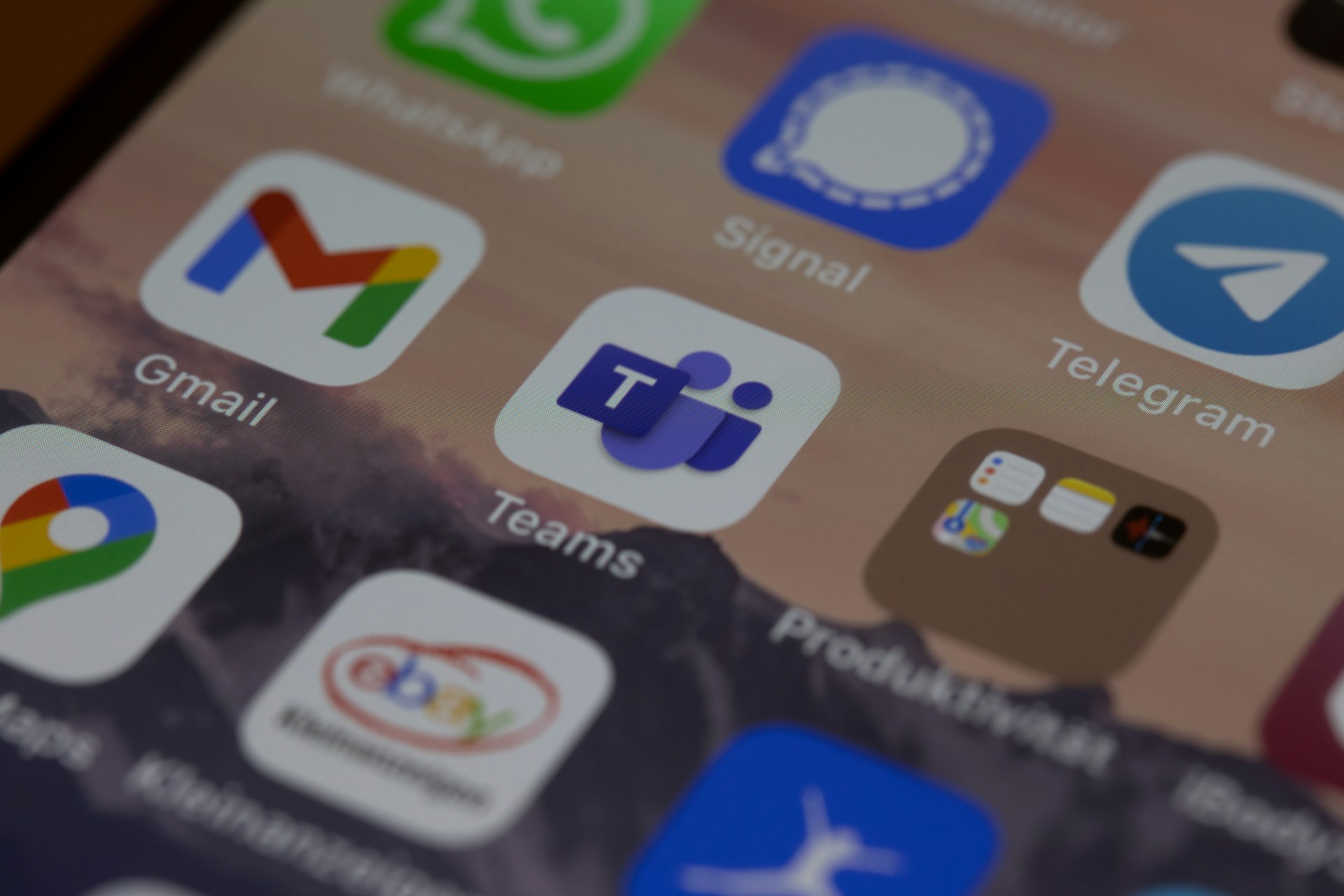
A new assessment of messaging app privacy has placed Signal at the top of the market while highlighting sharp differences in how major platforms collect user data and integrate artificial intelligence features.
The study, published by cybersecurity company Surfshark, evaluated 10 of the most widely used iOS messaging applications using a scoring model that combined encryption standards, data collection practices, tracking activity, use of data beyond core app functionality and the presence of AI features. Researchers found that while secure messaging has become increasingly common, privacy protections vary considerably once broader data practices are taken into account.
Signal achieved the highest score in the ranking at 0.99, followed by Apple’s Messages app at 0.72 and Telegram at 0.64. At the other end of the table were LINE at 0.23, Discord at 0.26, Rakuten Viber at 0.33 and Meta’s Messenger at 0.35.
The findings arrive at a time when messaging providers are racing to add AI-powered capabilities to their products. Surfshark found that 90% of the apps examined now include AI features ranging from translation tools and conversation summaries to virtual assistants embedded within chats.


Researchers cited in the study from New York University and Cornell University have previously warned that the growing use of AI inside encrypted services introduces new security and privacy considerations. Features designed to analyze, summarize or respond to conversations may require access to information that users typically expect to remain visible only to participants in a chat.
Encryption remains a major differentiator across the sector, though less so than in previous years. Nine of the 10 apps reviewed provide end-to-end encryption for messages. Discord was the sole platform in the study that did not offer end-to-end encryption for text-based communications.

Signal and Apple’s Messages app also stood apart for another reason. Both employ quantum-secure cryptographic protections, a category Surfshark weighted heavily in its methodology. The study treated quantum-resistant encryption as a higher standard than conventional end-to-end encryption, reflecting concerns about future advances in computing power.
Apple’s position near the top of the ranking comes with an important qualification. While iMessage conversations between Apple devices are end-to-end encrypted, messages sent to Android users through SMS or MMS do not receive the same protection.
The report also sheds light on how extensively messaging platforms gather information about their users. Across all apps studied, the average service collected 17 of the 35 data categories disclosed through Apple’s App Store privacy labels.
Four apps exceeded that average. Messenger collected 32 data types, LINE collected 26, WeChat collected 22 and Rakuten Viber collected 18. According to Surfshark’s analysis, Messenger and LINE were also among the leading platforms in using collected information for purposes beyond basic app functionality, including advertising, personalization and analytics.
By contrast, Signal and Telegram were identified as collecting data primarily for operational needs such as authentication, fraud prevention, security, customer support and service reliability.
The ranking also highlighted differences in tracking practices. According to App Store disclosures reviewed for the study, LINE, Discord and Rakuten Viber were the only services that may collect data specifically for user tracking.
WhatsApp, often the subject of privacy debates because of its ownership by Meta, ranked in the middle of the table with a score of 0.55. The platform collected fewer data categories than Messenger and was not flagged for tracking practices within Surfshark’s methodology.
The methodology itself is an important part of the findings. Rather than conducting a technical audit of the applications, Surfshark relied primarily on Apple App Store privacy disclosures, publicly documented security features and download data from AppMagic. The study therefore measures the privacy and data practices companies declare to users, alongside documented encryption standards and product features.
The results suggest that the privacy conversation around messaging apps is increasingly extending beyond whether messages are encrypted. As AI becomes embedded across communication platforms and companies continue to gather large volumes of user information, the amount of data collected, how it is used and whether it is linked back to individual users are becoming equally important measures of privacy.
Go to TECHTRENDSKE.co.ke for more tech and business news from the African continent and across the world.
Follow us on WhatsApp, Telegram, Twitter, and Facebook, or subscribe to our weekly newsletter to ensure you don’t miss out on any future updates. Send tips to editorial@techtrendsmedia.co.ke


