
Electricity Prices to Remain Unchanged After Tariff Review Withdrawal
The withdrawal leaves electricity prices unchanged for households and businesses, while delaying plans to raise additional funding for power sector investments.

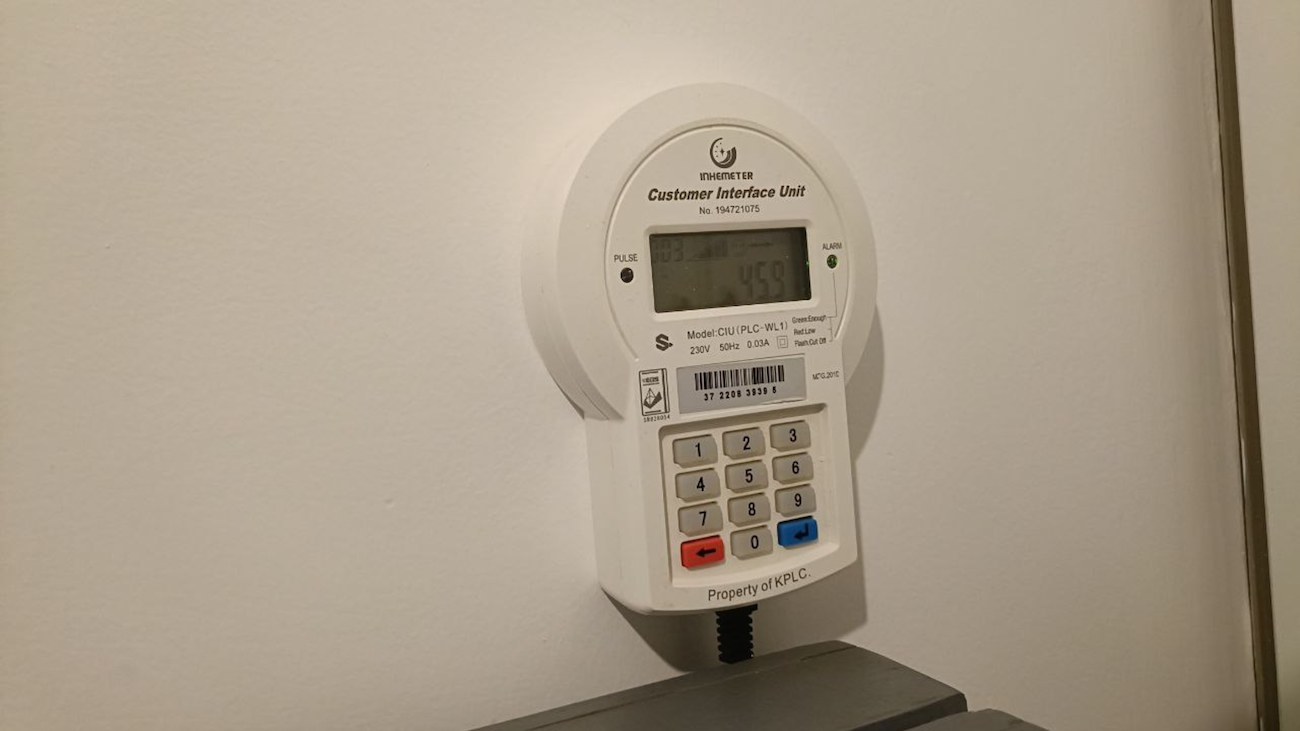
Kenyan households and businesses will continue paying current electricity rates after the government withdrew a proposed tariff review that could have altered power prices from July.
Energy and Petroleum Cabinet Secretary Opiyo Wandayi said on Wednesday that an application submitted by Kenya Power on March 31 had been withdrawn following consultations within government and engagements with stakeholders across the energy sector. The decision halts a review process that had been expected to determine electricity pricing for the next three-year tariff cycle.
The move removes the prospect of higher electricity charges at a time when consumers are already facing broader cost-of-living pressures. Inflation accelerated to 6.7 percent in May, its highest level in more than two years, driven in part by rising energy costs following disruptions in global oil markets linked to the Iran conflict.
The withdrawal also means Kenya Power will have to reassess plans for raising additional revenue through revised tariffs. The utility had argued that higher income would help finance upgrades to transmission and distribution infrastructure as electricity demand continues to grow.

Kenya Power’s proposal sought to reshape how residential consumers are billed, including reducing the subsidised lifeline consumption threshold from 100 kilowatt-hours per month to 30 kilowatt-hours. Households exceeding that limit would have moved into a higher-priced domestic category.
The company also proposed new base tariffs for both subsidised and ordinary domestic customers. Those rates would have been separate from monthly charges such as fuel-cost adjustments, foreign-exchange recovery costs, value-added tax and rural electrification levies that appear on consumer bills.

The current tariff framework took effect in April 2023 and is due to expire at the end of June. Under the Energy Act, Kenya Power may apply for a tariff review every three years, triggering a regulatory process that includes technical evaluation, stakeholder consultations and public participation.
The withdrawal follows the postponement of public participation meetings that had been planned by the Energy and Petroleum Regulatory Authority as part of the review process. With the application now withdrawn, any future tariff changes would require a fresh submission and a new review cycle.
While consumers have avoided an immediate increase in electricity costs, the decision leaves unresolved questions about how planned investments in the power network will be financed. The proposed tariff review was expected to contribute additional resources for utilities across the energy sector, including projects aimed at strengthening transmission and distribution infrastructure.
Kenya Power has repeatedly pointed to growing pressure on its network as customer numbers expand and electricity demand rises. The utility serves more than 10.2 million customers, with continued growth increasing demand on transmission lines, transformers and distribution systems.
The latest tariff review would have been the first major adjustment since the framework introduced in 2023. That review provided additional resources for electricity-sector agencies while coinciding with a period in which lower fuel and foreign-exchange charges helped reduce overall household electricity costs.
Wandayi said the withdrawal was intended to balance the long-term sustainability of the energy sector with the need to shield households, businesses and industries from higher costs. The ministry also maintained that the decision would not affect electricity supply or service delivery under the current tariff framework.
For now, electricity prices remain unchanged. The broader question facing the sector is whether alternative funding sources can be secured for planned infrastructure investments before the next tariff review is brought forward.
Go to TECHTRENDSKE.co.ke for more tech and business news from the African continent and across the world.
Follow us on WhatsApp, Telegram, Twitter, and Facebook, or subscribe to our weekly newsletter to ensure you don’t miss out on any future updates. Send tips to editorial@techtrendsmedia.co.ke


