M-Pesa Users in Tanzania Can Now Move Money Through PayPal
The PayPal integration gives M-Pesa Tanzania a more direct role in cross-border digital payments

A growing share of East Africa’s digital economy now depends on workers who are paid outside their home markets but spend locally through mobile wallets. That imbalance has pushed telecom operators and international payment firms toward tighter integration deals, particularly in countries where bank access remains uneven.
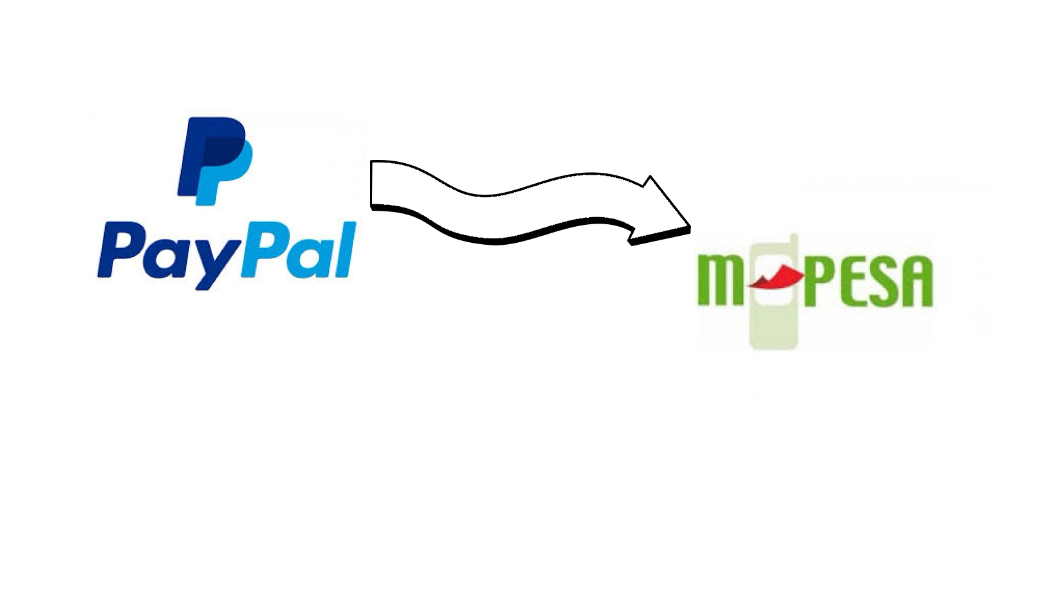
Vodacom M-Pesa Tanzania said this week that users will be able to move funds between PayPal accounts and M-Pesa wallets through the M-Pesa Super App. The service allows eligible customers to deposit money into PayPal and withdraw earnings back into their mobile wallets.
The partnership arrives as remote contract work, online trading and platform-based income continue spreading across Tanzania’s urban workforce. Payment access has remained one of the harder parts of that economy to solve.
For many users, the obstacle has not been finding overseas work. It has been extracting money from foreign platforms without relying on intermediaries, dollar accounts or lengthy settlement chains.
That pressure has created a secondary fintech market around payment conversion and cash-out logistics. Telecom operators increasingly want those transactions to remain inside their own ecosystems.
Vodacom framed the integration around freelancers, developers, creators and entrepreneurs handling international payments. The company said customers will connect PayPal accounts directly inside the app through a guided onboarding process designed for secure transfers between platforms.
The arrangement adds another layer to M-Pesa’s evolution from a domestic transfer system into a broader financial rail. In earlier years, mobile money expansion across East Africa was tied heavily to local transfers, bill payments and merchant acceptance. Revenue growth is now increasingly tied to transaction depth rather than first-time adoption.
Cross-border functionality has become part of that contest.
Tanzania already has one of the region’s larger mobile money user bases, though much of the global attention around digital finance in East Africa has historically centered on Kenya. Telecom groups operating across both markets have spent the past several years widening the role of mobile wallets inside savings products, credit systems and merchant services.
International payout access sits inside the same commercial logic.
Payment companies entering African markets have also adjusted their approach. Earlier expansion models often relied on formal banking infrastructure as the primary route into digital commerce. Mobile wallets now serve as the practical consumer layer in large parts of the continent, especially for smaller transactions and informal business activity.
The operational details may determine how widely the service is used. Foreign exchange spreads, withdrawal charges, transaction ceilings and settlement timing tend to shape adoption more than launch announcements.
Freelancers and small online merchants working with overseas clients often operate on narrow margins. High conversion costs can quickly erase the benefit of faster transfers.
Still, the partnership points to a broader change underway across African telecom finance. Mobile money operators are no longer competing only with banks or rival wallets. They are positioning themselves around access to international digital income flows.
For telecom companies, the value increasingly sits in keeping those earnings circulating within their own financial infrastructure after the money reaches local markets.
Go to TECHTRENDSKE.co.ke for more tech and business news from the African continent and across the world.
Follow us on WhatsApp, Telegram, Twitter, and Facebook, or subscribe to our weekly newsletter to ensure you don’t miss out on any future updates. Send tips to editorial@techtrendsmedia.co.ke