Why Kenya Power Keeps Returning to Load Shedding During Peak Hours
The national grid is relying more heavily on imported electricity as renewable supply fluctuates across peak hours

Kenya’s return to electricity rationing is increasingly being driven by a problem deeper than temporary supply fluctuations. The country expanded renewable generation rapidly over the past decade, but the infrastructure needed to stabilise that transition has lagged behind demand growth.
Kenya Power says falling wind generation and the evening shutdown of solar plants are forcing controlled outages across parts of the country as operators try to prevent wider grid failure during peak demand hours. Managing director Joseph Siror recently acknowledged that the system periodically loses hundreds of megawatts from wind generation alone, leaving the utility unable to meet evening consumption without load shedding.
The pressure arrives at a moment when Kenya’s reserve margins have narrowed sharply. Official generation capacity stands at roughly 3,300MW, but industry estimates indicate reliably dispatchable supply is significantly lower once maintenance outages, transmission inefficiencies and intermittent renewable generation are factored in. Peak demand has already climbed above 2,390MW, leaving little room for major disruptions at a large plant or transmission corridor.
The strain is becoming most visible after sunset.

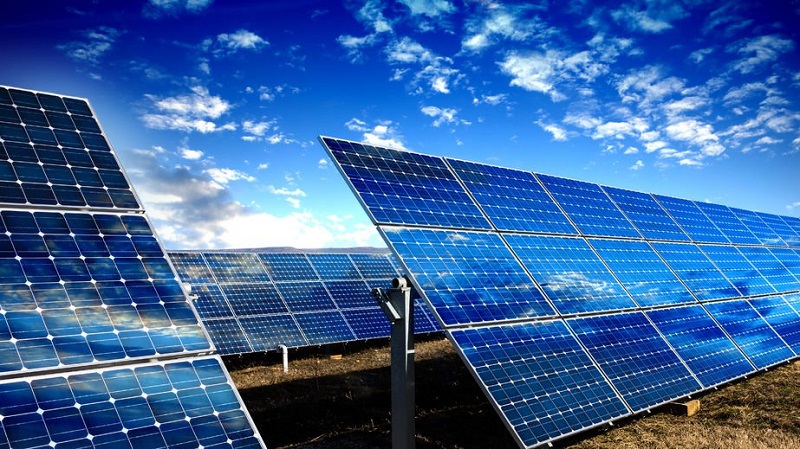
During daylight hours, solar farms inject substantial electricity into the network while wind production can rise strongly depending on weather conditions. But between 6pm and 10pm, solar generation disappears almost entirely as household and commercial demand accelerates. Wind supply can also weaken suddenly, forcing grid operators to lean heavily on geothermal stations, hydropower and imported electricity from neighbouring countries.
That imbalance has pushed Kenya into deeper dependence on regional supply links. Imports from Ethiopia and Uganda now account for a meaningful share of electricity consumed on the national grid, helping offset deficits that domestic generation cannot consistently absorb during peak periods.

The imported electricity has also helped Kenya avoid wider use of thermal generation, which historically drove sharp increases in electricity costs. But regional imports are functioning increasingly as balancing power rather than emergency support, underscoring how tightly the system is operating.
The current pressure on the grid did not emerge suddenly.
A freeze on new power purchase agreements beginning in 2018 slowed the pipeline for future generation projects after concerns emerged over the cost structure of some long-term contracts. The review process stretched across several years, leaving developers uncertain about approvals and financing conditions even after the moratorium eased.
By the time policymakers reopened the sector, much of the previously approved capacity had already been completed or committed. Few major projects remained in active development, creating a gap between rising electricity demand and future supply expansion.
That slowdown is now colliding with another unresolved weakness: storage.
Kenya added large-scale wind and solar generation faster than it built battery infrastructure capable of shifting renewable electricity into evening demand periods. Three wind plants and five solar facilities contribute close to one-fifth of electricity supplied to consumers, yet most operate without utility-scale storage systems.
The result is a grid that can produce surplus renewable electricity during some off-peak periods while still struggling to meet consumption later at night.
The government has since moved toward requiring battery storage for future renewable projects seeking power purchase agreements with Kenya Power. Developers and state-backed generators have also started planning storage investments, including projects linked to KenGen facilities and privately operated solar plants.
But storage alone will not resolve the broader infrastructure constraints now surfacing across the network.
Transmission bottlenecks continue to limit how efficiently electricity moves across the country, particularly between generation centres and fast-growing urban demand corridors. Some substations are operating under sustained pressure from industrial expansion, urbanisation and rising household consumption.
Engineers and energy analysts have also repeatedly warned about aging distribution infrastructure, technical losses and delayed maintenance cycles that reduce the amount of electricity ultimately delivered to consumers.
The economics of the outages are beginning to spread beyond the energy sector itself.
Manufacturers, retailers and service businesses are increasingly relying on diesel generators to maintain operations during scheduled or unscheduled interruptions. Backup fuel costs are significantly higher than grid electricity, especially for firms operating during evening hours when rationing is most common.
For smaller businesses without standby generation, outages often translate directly into lost operating hours and disrupted production schedules.
Kenya still retains one of Africa’s cleanest electricity mixes, supported heavily by geothermal generation from the Rift Valley and long-running investment in renewable energy. But the current supply stress is exposing the distinction between generation capacity and grid flexibility.
A system built around variable renewable energy requires storage, reserve generation, transmission resilience and predictable procurement planning operating simultaneously. Kenya expanded one side of that equation far faster than the others.
For now, the grid continues to function through a combination of imports, geothermal stabilisation and controlled demand management. But sector officials and analysts broadly agree that no major new capacity is likely to arrive quickly enough to ease pressure in the immediate term.
That leaves the country navigating a difficult period where demand growth is outpacing the pace of grid adaptation.
Go to TECHTRENDSKE.co.ke for more tech and business news from the African continent and across the world.
Follow us on WhatsApp, Telegram, Twitter, and Facebook, or subscribe to our weekly newsletter to ensure you don’t miss out on any future updates. Send tips to editorial@techtrendsmedia.co.ke