
Airtel and SpaceX Expand Their African Satellite Mobile Push With Uganda Trials
Uganda becomes the latest test ground for Airtel and Starlink’s satellite-to-phone network plans

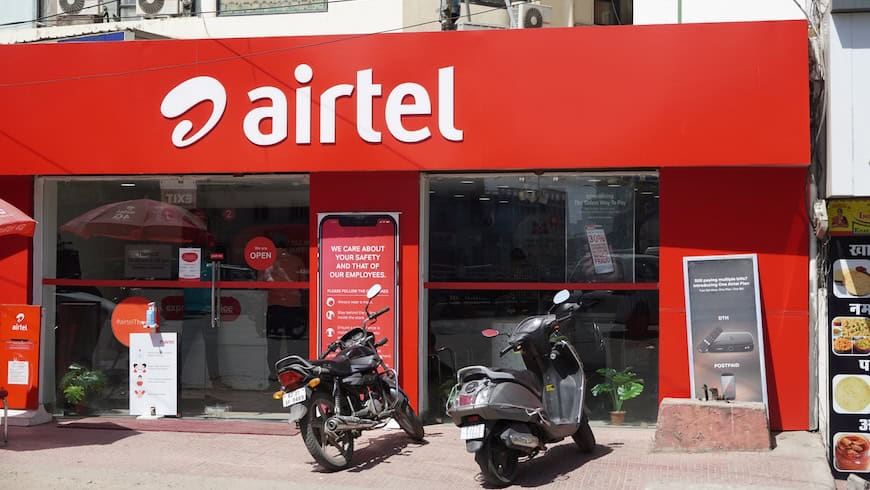
Airtel Uganda has started testing Starlink’s direct-to-cell satellite network days after Ugandan regulators granted the satellite operator provisional approval to operate in the country.
The tests mark the latest step in Airtel Africa’s wider partnership with SpaceX to expand satellite-backed mobile connectivity across 14 African markets. The initiative is designed to allow standard smartphones to connect directly to low-earth orbit satellites in areas where terrestrial mobile coverage is weak or unavailable.
Airtel Uganda confirmed the rollout through managing director and chief executive Soumendra Sahu, who said the company had entered the technical testing phase for the service.
“This marks the start of testing a highly advanced technology that enhances smartphone network connectivity through direct-to-cell satellite services,” Sahu said.


Unlike conventional satellite internet systems that rely on dishes or dedicated terminals, direct-to-cell technology links ordinary mobile phones to satellites operating as space-based cellular sites. The approach is being positioned by telecom operators as a way to extend network reach into sparsely populated and geographically difficult areas without relying entirely on new tower construction.
Earlier this year, Airtel Africa and Starlink carried out pilot tests in Kenya using standard 4G smartphones in locations outside Airtel’s terrestrial network coverage. The trials supported messaging, voice calls and light data applications including mobile money transactions, providing one of the first operational demonstrations of the technology in Africa.

The Uganda rollout follows last week’s provisional licence approval issued by the Uganda Communications Commission. The regulator said Starlink must establish a physical operational presence inside Uganda, deploy a national gateway and ensure all locally activated devices are properly registered.
Ugandan authorities have also required the company to maintain technical, legal and customer support teams within the country as part of the licensing framework governing satellite communications providers.
The conditions reflect growing regulatory scrutiny across African markets as low-earth orbit satellite operators expand services that operate beyond traditional telecom infrastructure models. Governments are increasingly seeking local oversight mechanisms covering data compliance, subscriber identification and network operations.
Uganda’s Ministry of ICT said the licensing agreement followed extended discussions with Starlink to align the company’s operations with national communications rules before approval was granted.
Ryan Goodnight, representing Starlink and SpaceX, said the company intends to support connectivity projects in sectors including education and healthcare through equipment deployments in selected institutions.
“We believe this partnership will lower internet costs and enable more people to join the digital economy,” he said.
The Uganda tests also move Airtel and Starlink further into a developing competition around satellite-to-mobile services in Africa. Rival initiatives involving AST SpaceMobile and telecom groups including Vodafone and Vodacom are pursuing similar technology aimed at extending mobile coverage beyond conventional cellular networks.
Starlink services had already been informally accessible in Uganda through roaming subscriptions activated in neighbouring countries where the company held operating licences. Ugandan regulators ordered the suspension of those arrangements earlier this year ahead of the country’s January general election.
For Airtel Africa, the Uganda deployment offers another live test of whether satellite partnerships can reduce the cost and complexity of expanding mobile coverage in underserved regions where traditional infrastructure investments remain commercially difficult.
Go to TECHTRENDSKE.co.ke for more tech and business news from the African continent and across the world.
Follow us on WhatsApp, Telegram, Twitter, and Facebook, or subscribe to our weekly newsletter to ensure you don’t miss out on any future updates. Send tips to editorial@techtrendsmedia.co.ke


