Ruto Signs New Tax and Technopolis Laws as Kenya Courts Long-Term Investment
Kenya is restructuring parts of its investment environment through new laws covering technopolises, export zones and capital gains taxation.

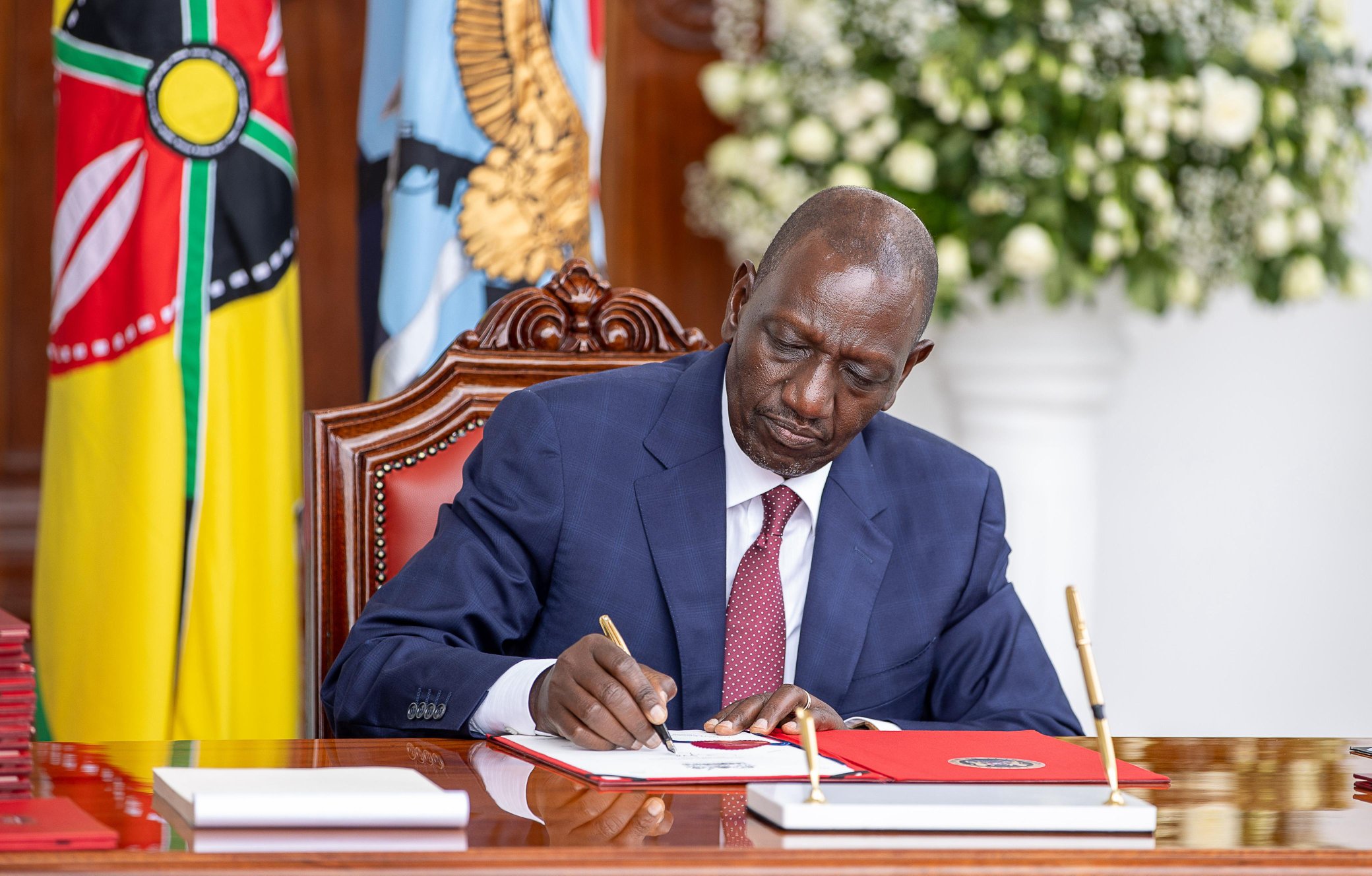
President William Ruto has approved three new laws aimed at tightening Kenya’s investment framework and expanding support for technology, manufacturing and export-driven industries. The legislation covers income tax administration, special economic zones and the creation of technopolises, adding new legal structures for investors operating in priority sectors of the economy.
The bills were signed at State House in Nairobi and are expected to influence how large-scale projects, industrial parks and technology hubs are licensed and managed in Kenya over the coming years.
Among the measures signed into law is a revised income tax framework targeting the administration of Capital Gains Tax. The government says the changes are intended to align Kenya’s tax treatment with internationally recognised taxation principles while reducing administrative friction for investors and businesses.
Another major component focuses on Special Economic Zones. The amended framework broadens the categories of activities that can qualify under the programme, including petroleum operations and oil and gas-linked investments. Authorities also introduced a minimum licence period of 10 years for qualifying projects, a move designed to match the long financing and construction cycles common in capital-intensive developments.


The updated law further opens the zones to sectors such as agro-processing, mining, manufacturing and advanced industrial production. Officials expect the wider scope to increase uptake among investors seeking tax incentives and dedicated operating environments.
The Technopolis Act introduces a legal structure for establishing and managing technology-focused urban developments across the country. The framework supports integrated centres where investors, researchers, startups and public agencies can access government services within a single administrative system.

Government officials say the model is intended to strengthen Kenya’s position as a regional destination for innovation-led investment and digital enterprise development.
The new legislation comes as Kenya continues to compete with other African economies for foreign direct investment tied to industrial production, logistics, energy and technology infrastructure. Policymakers have increasingly linked tax predictability and licensing stability to the country’s long-term investment strategy.
“The framework is expected to attract global investment, talent, and innovation,” the Presidency said after the signing ceremony.
Implementation timelines and supporting regulations are expected to follow through the relevant ministries and agencies.
Go to TECHTRENDSKE.co.ke for more tech and business news from the African continent and across the world.
Follow us on WhatsApp, Telegram, Twitter, and Facebook, or subscribe to our weekly newsletter to ensure you don’t miss out on any future updates. Send tips to editorial@techtrendsmedia.co.ke