

Jumia Expands China Supply Strategy as Nigeria Becomes Key Market
Jumia is relying more heavily on Chinese suppliers as Nigeria becomes central to its next phase of growth and profitability.

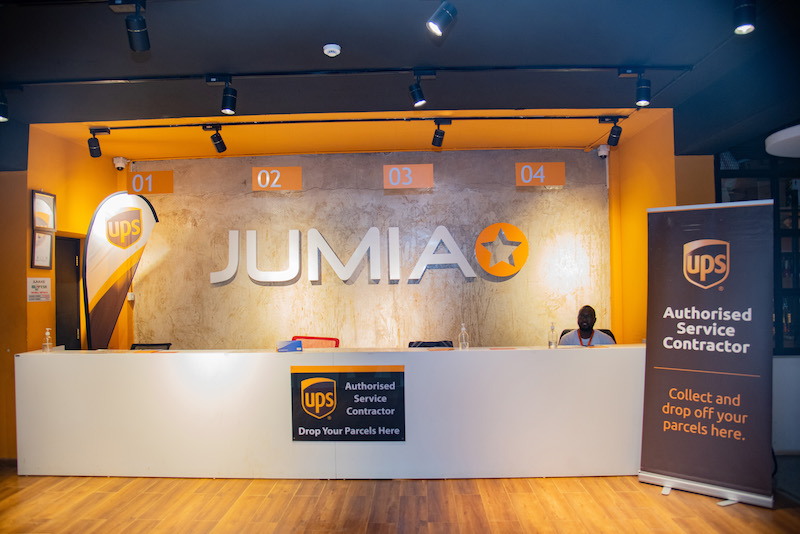
Nigeria has become the center of Jumia’s latest recovery plan as the online retailer increases product sourcing from China and restructures around lower-cost consumer demand across Africa. The company says expanding access to cheaper imported goods is helping lift order volumes while positioning the business against rapidly growing Asian competitors.
Chief executive Francis Dufay said Jumia expects to reach positive cash flow in the fourth quarter, with broader profitability targeted by the end of next year. The company’s first-quarter revenue reached $50.6 million, representing a 39% increase from the same period a year ago. Fulfilled orders and transaction value both rose by more than 30%.
A large share of that activity came from foreign merchants selling through the platform. Jumia recorded an 87% annual increase in items supplied by international vendors during the quarter, particularly from China and Turkey. The company began widening those supplier relationships after finding that many local distributors could not consistently support large order volumes at prices affordable to mass-market buyers.
The move has become more urgent as Chinese shopping platforms gain ground in African markets. Temu entered Nigeria in 2024 and quickly attracted users through discount pricing and extensive advertising. Shein has also strengthened its reach among African consumers shopping online for low-cost goods.

Jumia’s response has been to build a marketplace shaped around spending realities inside its core countries. Dufay said many of the company’s customers in places such as Nigeria, Kenya and Egypt earn roughly $300 a month, limiting how much platforms can charge for products or delivery.
“We’re targeting relatively poor customers with limited purchasing power,” he said.
That economic pressure has altered the company’s operating model. Earlier expansion efforts pushed Jumia into multiple business categories and markets simultaneously, including food delivery, travel services and classified listings. In recent years, the retailer has reduced its geographic footprint and withdrawn from South Africa, Tunisia and Algeria while narrowing focus to core e-commerce operations.
The company is also relying more heavily on Nigeria after the country overtook Côte d’Ivoire as Jumia’s biggest market by sales value during the first quarter. According to Dufay, the business is attempting to apply lessons from its Ivory Coast operations to Nigeria and other active markets where consumer demand is beginning to stabilize after prolonged inflation shocks.
Transport costs remain a concern. Rising fuel prices linked to tensions involving Iran have increased delivery expenses across Jumia’s logistics network. The company says customers have limited tolerance for higher charges, forcing the business to absorb part of the additional cost burden internally.
Even with those pressures, investor sentiment improved after the latest earnings release. Jumia shares climbed nearly 22% in pre-market trading following publication of the quarterly results.
Go to TECHTRENDSKE.co.ke for more tech and business news from the African continent and across the world.
Follow us on WhatsApp, Telegram, Twitter, and Facebook, or subscribe to our weekly newsletter to ensure you don’t miss out on any future updates. Send tips to editorial@techtrendsmedia.co.ke