BasiGo Is Expanding Electric Bus Operations Across Nairobi’s Main Commuter Corridors
Electric buses supplied by BasiGo are now operating across major Nairobi commuter routes used daily by thousands of passengers.

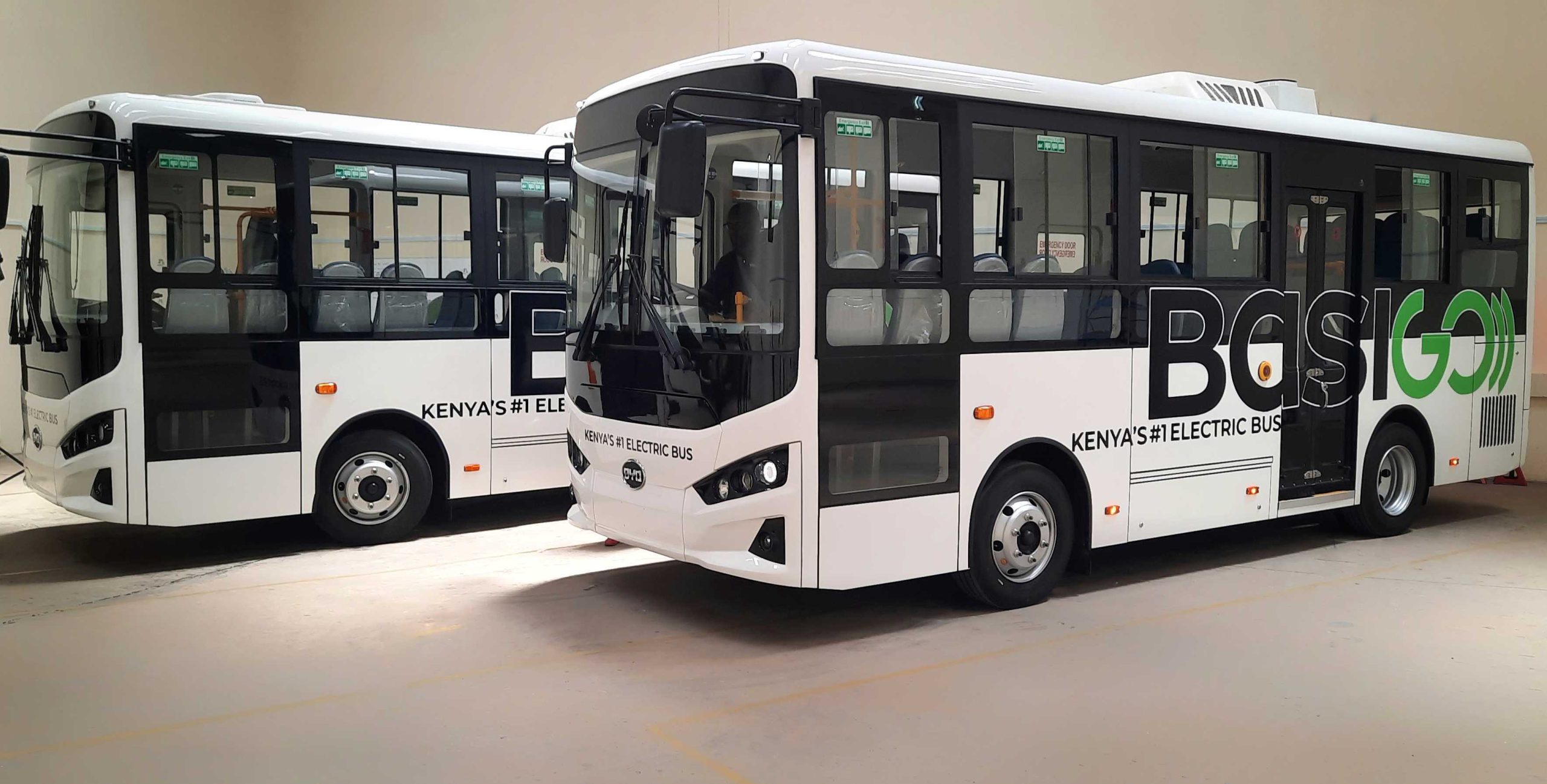
Electric buses are now operating across some of Nairobi’s busiest commuter corridors as transport operators add battery-powered vehicles to routes linking residential estates, satellite towns and the central business district.
Vehicles supplied through electric mobility company BasiGo are currently running on routes used daily by commuters travelling from areas including Juja, Kikuyu, Ngong, Kitengela, Utawala and Kangundo Road into the city centre. Operators using the buses include Super Metro, Citi Hoppa, Metrotrans, Oma Services, East Shuttle and several other SACCOs.
The expansion marks a move beyond small pilot deployments that previously defined much of Kenya’s electric mobility sector. Multiple operators are now using electric buses within ordinary passenger service schedules across high-volume corridors such as Thika Road, Mombasa Road, Waiyaki Way, Jogoo Road and Ngong Road.
BasiGo says it has deployed 136 electric vehicles across Kenya and Rwanda, with 102 operating in Kenya and 34 in Rwanda. The company says it has also received more than 1,200 reservations for additional units.

Among the Nairobi routes currently using electric buses are Juja-Thika Road-CBD services operated by Super Metro, Enabled and Latema, while Citi Hoppa runs electric buses on routes linking Allsops to the airport corridor and the CBD. Other deployments include Kitengela-Mombasa Road-CBD routes, Kangundo Road services and Ngong Road commuter corridors.
Outside Nairobi, electric vans are also operating between Nyahururu and nearby towns including Nakuru.

The deployment pattern suggests operators are concentrating electric fleets on routes with predictable passenger demand and long daily operating hours. Many of the corridors already support some of Nairobi’s heaviest commuter traffic, allowing buses to maintain regular circulation throughout the day.
Charging infrastructure has expanded alongside the fleet rollout. Charging stations have been set up in towns including Nyeri, Nakuru, Meru and Nanyuki as operators begin testing wider regional movement beyond Nairobi’s urban network.
In Rwanda, BasiGo’s electric buses are operating across routes connecting provinces including Eastern, Northern, Southern and Western regions. The company’s Rwanda fleet includes city buses and intercity coaches configured differently from the Kenyan market.
Doreen Orishaba, BasiGo’s Chief Product Officer, said the company structures its operations differently depending on the operator and route requirements.
“We provide the bus, we provide charging, we provide service and maintenance,” she said during an interview.
The company uses several operating models, including full bus leasing, battery leasing and direct vehicle sales combined with charging and maintenance agreements.
The wider rollout comes as transport operators across East Africa face pressure from fuel costs, financing constraints and growing demand for public transport within expanding urban corridors.
Electric buses still represent a small portion of Kenya’s overall public transport fleet, but their presence is becoming more visible on commuter routes previously dominated entirely by diesel vehicles.
BasiGo says additional vehicles assembled in Mombasa are expected to support further deployments in the coming months.
Go to TECHTRENDSKE.co.ke for more tech and business news from the African continent and across the world.
Follow us on WhatsApp, Telegram, Twitter, and Facebook, or subscribe to our weekly newsletter to ensure you don’t miss out on any future updates. Send tips to editorial@techtrendsmedia.co.ke