KRA Wants Taxes Paid at the Point of Sale Through M-Pesa-Linked eTIMS System
KRA is tying eTIMS to M-Pesa payments as it rebuilds tax collection around live business transactions

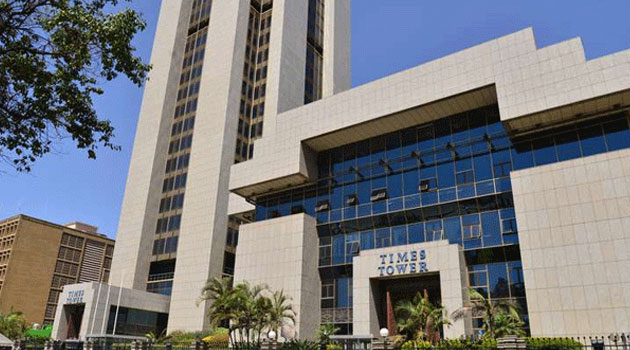
Kenya Revenue Authority is restructuring its tax collection systems around real-time business transactions, placing digital payments and automated invoicing at the centre of compliance.
The agency plans to deepen the use of its electronic Tax Invoice Management System, or eTIMS, by connecting it directly to payment channels such as M-Pesa while replacing large parts of the existing iTax infrastructure. The project is intended to reduce gaps between sales, declaration and payment, particularly among small and medium-sized businesses.
George Obell, the commissioner in charge of micro and small taxpayers, said the wider compliance programme could improve tax compliance by 16 percent.
Instead of relying mainly on end-of-period declarations, KRA wants tax records generated immediately when a transaction occurs. Businesses will submit invoice data through several channels including mobile applications, online portals, USSD services and software integrations tied into KRA systems.


Once a payment is completed, the platform will automatically issue a Payment Registration Number and process the associated tax obligation without requiring separate reconciliation by the taxpayer.
“The impact is expected to be twofold: improved cash flow for the government and reduced administrative burden for businesses,” Obell said.

The authority believes the model will narrow opportunities for delayed remittance and under-declaration by reducing the time between commercial activity and tax settlement.
Another major component involves automated filing. Sales information transmitted through eTIMS will populate parts of taxpayer returns before submission, cutting down on manual data entry.
KRA says the approach is aimed at businesses that struggle with conventional filing procedures, especially smaller enterprises with limited accounting capacity.
The authority is also rebuilding iTax into a connected platform that can exchange information with banks, payment providers and public agencies through API-based integrations including EAPI and GavaConnect.
Alongside the infrastructure changes, KRA is deploying analytics tools intended to monitor taxpayer activity more closely. The system will incorporate behavioural profiling, automated risk assessment and AI-supported monitoring to identify inconsistencies earlier.
“With real-time monitoring and advanced analytics, KRA will be able to flag inconsistencies as they occur,” Obell said.
The changes also extend to internal operations. Audit workflows, refund handling and case management functions are expected to become more automated, reducing manual review stages that often slow processing times.
KRA says the upgraded infrastructure will run on cloud-enabled or hybrid systems targeting 99.8 percent availability, an attempt to address recurring complaints about outages during filing deadlines.
The broader reforms are tied to the government’s effort to raise VAT revenue as a share of the economy. Treasury targets released earlier this year call for VAT-to-GDP contribution to rise from 4 percent to 6 percent.
Part of that plan involves expanding the number of businesses participating in the VAT system. At the moment, only companies with annual turnover above Sh5 million are required to register.
KRA considers the current VAT base too narrow, with roughly 250,000 businesses registered despite the scale of commercial activity across the country.
The authority has been increasing its engagement with informal traders through its Micro and Small Taxpayers unit, established in 2024. KRA says the unit has already brought 511,000 taxpayers into the system and is targeting another 320,000 registrations.
To support the rollout, the agency is working with county administrations, trade groups and business associations while training 3,500 agents to assist businesses with registration and compliance processes.
Go to TECHTRENDSKE.co.ke for more tech and business news from the African continent and across the world.
Follow us on WhatsApp, Telegram, Twitter, and Facebook, or subscribe to our weekly newsletter to ensure you don’t miss out on any future updates. Send tips to editorial@techtrendsmedia.co.ke