
KRA Turns to Early Alerts, Reworking How VAT Compliance Is Enforced
KRA’s early tax alerts give businesses time to correct VAT discrepancies before filing deadlines

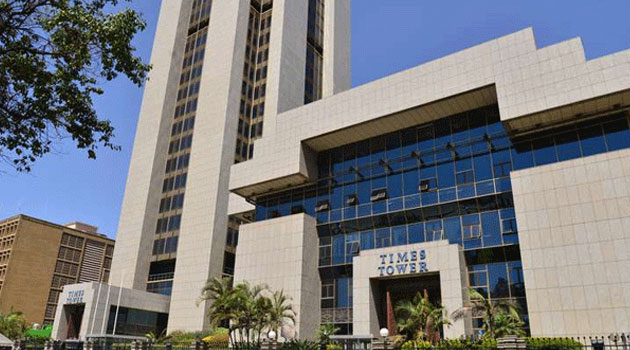
Businesses will no longer face sudden lockouts from the tax filing system as the Kenya Revenue Authority adopts an early-warning model that flags discrepancies before returns are submitted. The approach gives firms time to correct records ahead of the 30 June filing deadline, reducing the operational shocks that had followed earlier enforcement methods.
Acting Commissioner-General Lilian Nyawanda said the change keeps pressure on non-compliant taxpayers while limiting disruption for those meeting their obligations. The agency is moving away from the VAT “special table”, an administrative control that restricted filing for taxpayers deemed high-risk.
Under that system, companies flagged over compliance concerns could not submit returns on iTax. The restriction extended beyond the targeted firms. Businesses trading with those flagged often found themselves unable to claim input VAT, which in practice strained cash flow and supplier relationships.
KRA is now relying on transaction-level visibility drawn from systems such as the Electronic Tax Invoice Management System (eTIMS). Taxpayers can review records held by the authority before filing, with inconsistencies highlighted early. Alerts are already being issued in cases where filings do not align with recorded activity, including nil returns submitted despite evidence of transactions.

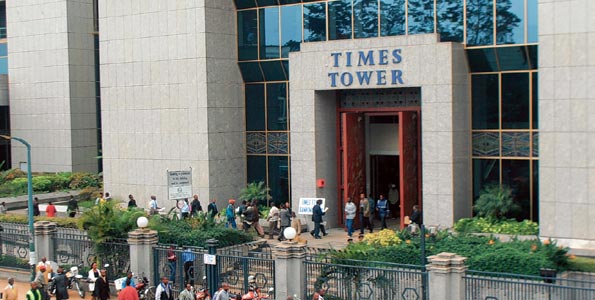
“We are exposing your details to you and communicating directly where there are areas you need to work on,” Nyawanda said, describing the model as one that allows taxpayers to act before deadlines rather than after penalties.
The earlier regime was introduced to curb VAT fraud linked to “missing trader” schemes, where fictitious invoices are used to inflate refund claims. While it expanded enforcement reach, it also captured compliant firms through their commercial links, prompting industry complaints and legal scrutiny.
The current design changes how compliance is enforced rather than easing it. Instead of a single point of control at filing, scrutiny is continuous. Businesses are expected to reconcile sales and purchases against KRA-held data throughout the reporting period, narrowing the gap between transactions and declarations.
KRA has also expanded digital engagement tools, including a WhatsApp-based assistant, to handle queries and guide taxpayers through discrepancies in real time.
For firms, the implication is procedural. Accuracy must be maintained during the accounting cycle, not deferred to month-end adjustments. The authority retains visibility over transactions, but the immediate penalty of system exclusion has been replaced with a process that surfaces errors earlier and expects them to be resolved before submission.
Go to TECHTRENDSKE.co.ke for more tech and business news from the African continent and across the world.
Follow us on WhatsApp, Telegram, Twitter, and Facebook, or subscribe to our weekly newsletter to ensure you don’t miss out on any future updates. Send tips to editorial@techtrendsmedia.co.ke


