
Kenya Sees Higher Power Costs After Tariff Adjustments By EPRA
New tariff charges raise electricity prices in Kenya as fuel, forex and water costs are passed through to consumers

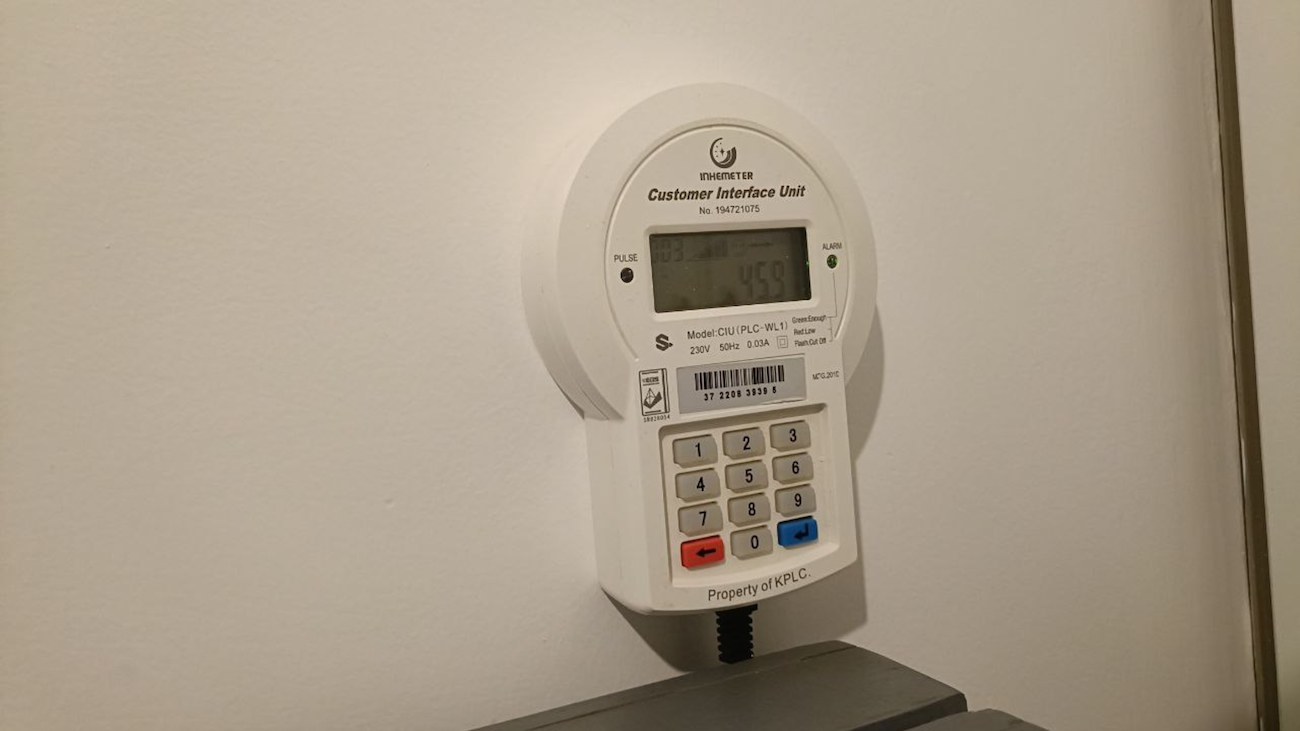
Electricity users across Kenya are paying more for power starting this week after new cost components were added to monthly tariffs, raising the overall unit price of electricity. The changes come from the Energy and Petroleum Regulatory Authority, which updated billing factors to reflect movements in fuel prices, exchange rates, and water usage in generation.
The revision introduces three separate charges applied per kilowatt-hour. A fuel-based adjustment accounts for the largest increase, adding 347 cents per unit. A foreign exchange component contributes 123.41 cents per unit, reflecting currency-related costs passed through from power producers and distributors. A smaller water levy of 1.54 cents per unit applies to electricity generated from hydropower facilities.
These additions follow higher operating costs recorded in March 2026. Exchange rate pressures alone pushed power sector obligations above Sh1.3 billion during that period, feeding directly into April billing calculations. The fuel charge reflects continued reliance on thermal generation, particularly when hydropower output falls or demand peaks.
Cost exposure varies by region. Areas that depend on diesel-based generation face steeper increases due to transport and fuel logistics. Counties such as Turkana, Lamu, and Homa Bay sit within this higher-cost bracket. Locations linked to geothermal supply, including zones around Olkaria, carry a lower cost base because steam-driven generation avoids imported fuel inputs.

The tariff update highlights how Kenya’s electricity pricing structure responds to underlying generation economics. Fuel imports, currency movements, and generation mix all feed into monthly adjustments, creating variability in household and commercial power bills.
Further changes will depend on fuel price trends, rainfall patterns that affect hydropower output, and currency stability. These factors continue to shape how electricity costs are calculated and passed through to consumers.

Go to TECHTRENDSKE.co.ke for more tech and business news from the African continent and across the world.
Follow us on WhatsApp, Telegram, Twitter, and Facebook, or subscribe to our weekly newsletter to ensure you don’t miss out on any future updates. Send tips to editorial@techtrendsmedia.co.ke


