
Uber’s Nigeria exit exposes the difficult economics of running a global ride-hailing platform in Africa


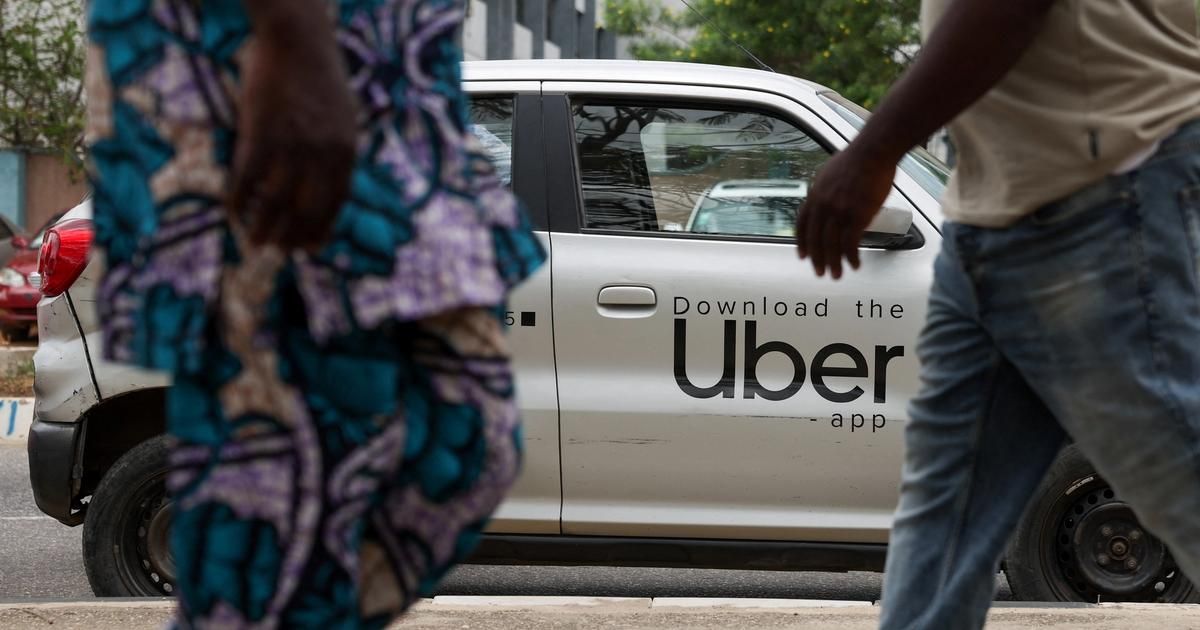
Uber’s exit from Nigeria after 12 years has raised questions about the economics of running a global ride-hailing platform in a market where demand, operating costs and passenger affordability are difficult to balance.
A new analysis of more than 20,000 Uber and inDrive trips suggests that Uber was sometimes paying Nigerian drivers more than passengers were charged for short journeys, while drivers completed far fewer trips than their counterparts in South Africa. The findings offer a more detailed explanation of the pressures behind the withdrawal, although they do not establish that subsidies alone caused the decision.
Uber left Nigeria and Uganda on September 2, the same day it announced a global restructuring that included a 10% reduction in its workforce. The company continues to operate in African markets including Kenya and South Africa, making the Nigerian departure part of a more complicated story than a complete retreat from the continent.
The economics behind Uber’s Nigeria exit
The data comes from Obi, a California-based price and trip data aggregator that tracks several ride-hailing platforms. Its report, based on trips completed by more than 300 drivers, found that Uber’s payments to Nigerian drivers exceeded the fares collected from passengers on journeys shorter than 12 miles, or approximately 20 kilometres. In some cases, the difference reached 23% of the passenger fare.


The finding is significant because short trips are central to urban ride-hailing. They can generate frequent transactions, but they also leave less room to absorb platform commissions, driver payouts, incentives and other operating costs. According to Obi, Uber adjusted the relationship between driver payments and passenger fares on longer trips, suggesting that the most pronounced imbalance was concentrated in shorter journeys.
The report also found that a typical Nigerian Uber driver completed about 130 rides during the first seven months of 2026. That was slightly more than a tenth of the volume completed by Uber drivers in South Africa over the same period. The comparison does not, by itself, establish that Nigerian drivers earned less or that the markets are directly equivalent, but it points to a problem that matters in any two-sided marketplace: a platform needs enough transactions to keep drivers active and make its operating model viable.

A ride-hailing company has to maintain a delicate relationship between passengers and drivers. Passengers want affordable, reliable transport, while drivers need fares that justify fuel, maintenance, insurance, financing and their time on the road. If demand is weak, drivers may spend too long waiting for worthwhile trips. If driver payouts are too low, they may move to competing platforms or reject journeys. A company can respond with incentives, but those incentives become harder to sustain when the underlying volume of paid rides remains limited.
Why short rides became a problem
The Obi findings suggest that Uber’s Nigerian operation may have faced a particularly difficult version of this equation. The company needed drivers to accept trips that passengers could still afford, but the reported fare structure meant that some short rides required Uber to absorb a loss before accounting for its wider costs.
That creates a difficult choice. Raising fares can improve the amount collected per trip, but it may also reduce demand, especially when passengers have cheaper alternatives. Paying drivers more can improve availability, but it can also deepen the gap between what a passenger pays and what the platform spends to complete the journey. When trip volumes are low, the platform has fewer transactions over which to spread its costs.
The problem is therefore related to utilization, not simply the number of people who might use a service. A country can have a large population and substantial urban demand while still producing insufficient ride frequency at prices that work for passengers, drivers and the platform. Uber’s experience in Nigeria illustrates why the size of a potential market does not automatically translate into a sustainable digital marketplace.
The company had already attempted several ways to remain relevant, including courier services and boat taxis, while raising fares to reflect the changing cost of doing business. Those measures may have helped address individual pressures, but the Obi analysis suggests that higher prices did not necessarily resolve the underlying imbalance between demand and the cost of maintaining driver supply.
Rising costs met passengers with less room to spend
Nigeria’s macroeconomic conditions made the problem more difficult. Fuel prices have risen sharply since the removal of the government’s fuel subsidy, while the naira has lost substantial value. For drivers, that raises the cost of operating vehicles. For passengers, it increases the price of a journey or reduces the amount of money available for transport.
That creates a pressure point for ride-hailing platforms. A driver may need a higher fare to cover fuel and maintenance, while a passenger may respond to the same increase by taking a bus, motorcycle, tricycle or another cheaper option. Ride-hailing companies are caught between the cost of supplying a trip and the price the market can bear.
TechTrendsKE’s coverage of Kenya’s ride-hailing market illustrates the same tension, although the two countries have different conditions. In May, Bolt raised Kenyan fares by 6% after citing rising driver operating costs, including fuel. The company said it had considered rider price tolerance and expected trip volumes to remain stable. That approach reflects a familiar industry calculation: higher fares may be necessary to support drivers, but the increase must be small enough to avoid losing too many passengers.
A separate TIFA Research survey of 733 Nairobi respondents found that 59% opposed a proposed minimum-fare policy for ride-hailing services. The survey also found that 81% of respondents identified the cost of living or constrained incomes as their biggest challenge. Among those who would continue using ride-hailing after a fare increase, 22% said they would switch to cheaper options or reduce their usage, while only 18% said they would continue as usual.
Those findings concern Nairobi, not Nigeria, and they should not be treated as a direct measure of Nigerian passenger behavior. They do, however, illustrate the commercial constraint facing ride-hailing platforms across the region: passengers may depend on the service while remaining highly sensitive to price. A platform cannot assume that every increase in the fare will produce a corresponding increase in revenue.
Local competitors found different ways to operate
Uber’s competitors in Nigeria, particularly Bolt and inDrive, have operated with models that may have been better suited to local market conditions. InDrive’s bargaining feature gives passengers and drivers more influence over the fare, while Bolt has offered flexibility around cancellations, vehicle models and payment options. Bolt has also expanded its use of three-wheeled taxis outside Lagos.
These differences matter because ride-hailing is a highly competitive marketplace. Drivers can use more than one app, choosing between platforms based on fares, trip availability and the amount they expect to retain. Passengers can do the same, comparing prices before accepting a ride. A global brand and a standardized user experience may help attract customers, but they do not remove the need to offer an economically attractive service.
Obi reported that Bolt held approximately 60% of Nigeria’s ride-hailing market by the time Uber exited. Sensor Tower data cited in the report also showed that Bolt had more than six times Uber’s active Nigerian users in December 2025. Those figures need to be read carefully because market share, active users and completed rides measure different things. Still, they indicate that Uber’s early entry and international brand were not enough to preserve a leading position against competitors with stronger local traction.
Localization may have played a role, but it is difficult to isolate its effect from pricing, driver acquisition, customer retention and other factors. The more defensible conclusion is that competitors were able to build operating models that resonated with local users, while Uber struggled to maintain a comparable level of market activity.
What Kenya reveals about the wider ride-hailing market
Kenya provides a useful comparison because Uber remains active there, even as it has withdrawn from Nigeria and Uganda. TechTrendsKE reported in September that Uber continues to regard Kenya as a market with strong potential, supported by an established digital payments ecosystem, a substantial urban customer base and a mature ride-hailing industry.
That does not mean Uber’s Kenyan operation is necessarily more profitable, or that Kenya is free of the pressures affecting Nigeria. Kenyan drivers have raised concerns about fares, commissions, fuel, insurance and vehicle maintenance, while passengers remain sensitive to the cost of transport. The difference is that the Kenyan market may offer a more workable combination of demand, trip frequency, competition and operating conditions from Uber’s perspective.
The structure of the market also matters. TechTrendsKE’s reporting on Kenya’s proposed taxi-fare policy described a sector in which drivers frequently keep multiple ride-hailing applications open and passengers compare platforms before booking. This multi-platform behavior creates constant pressure on companies to balance affordability with driver retention.
Regulation adds another layer. Kenya’s debate over an 18% commission ceiling has shown how governments, drivers and platforms can disagree over the division of fare revenue. A lower commission may leave more money with drivers, but it can also reduce a platform’s flexibility to cover operating costs and invest in services. A higher commission may improve the platform’s revenue while making the work less attractive to drivers. The dispute does not remove the underlying economic trade-off; it changes who bears more of the cost.
Bolt’s decade-long presence in Kenya also demonstrates the importance of ecosystem depth. The company has reported substantial investment in the country, millions of riders and a large network of drivers and couriers, alongside services involving vehicle financing, insurance and electric mobility. Those figures describe the scale of its footprint, rather than proving profitability, but they show how ride-hailing platforms can become embedded in a broader transport and services economy.
A large market is not automatically a viable platform business
Uber’s Nigeria exit should be understood through several overlapping explanations. The Obi data points to weak trip volumes and reported short-trip subsidies. Nigeria’s economic conditions made fuel and vehicle operations more expensive while limiting passengers’ ability to absorb fare increases. Local competitors may have adapted more effectively to those constraints. At the same time, Uber’s global restructuring suggests that corporate investment priorities also influenced where the company wanted to concentrate its resources.
The company’s chief executive, Dara Khosrowshahi, described the global workforce reduction as part of an effort to focus people and investment on the biggest opportunities ahead. Some analysts have connected that strategy to Uber’s growing interest in autonomous vehicles, although there is no clear evidence that robotaxis directly caused the Nigerian withdrawal. That interpretation should remain separate from the more concrete evidence about the economics of the Nigerian business.
The broader lesson is about the limits of scale. A platform can enter a large market, attract users and establish a recognizable brand, yet still struggle if the frequency of transactions is too low or the cost of maintaining supply is too high. Ride-hailing businesses need more than demand in the abstract. They need a workable relationship between passenger fares, driver earnings, operating costs and the number of trips completed.
For Uber, Nigeria appears to have become a market where that relationship was difficult to sustain. Kenya’s continued place in its African portfolio suggests that the company sees a different opportunity there, but the comparison also shows that no ride-hailing platform can take local economics for granted. In African markets, the long-term viability of a global mobility business depends on how well it can adapt its model to the realities of the people who use it and the drivers who keep it running.
Real ESG impact doesn’t happen in panels alone, it happens in the rooms where financiers, operators, and policymakers actually align. Our GreenShift Forum 2026 cuts the noise, bringing together the people rewiring Africa’s sustainability and energy frameworks for one focused day in Nairobi. Secure your seat.
Go to TECHTRENDSKE.co.ke for more tech and business news from the African continent and across the world.
Follow us on WhatsApp, Telegram, Twitter, and Facebook, or subscribe to our weekly newsletter to ensure you don’t miss out on any future updates. Send tips to editorial@techtrendsmedia.co.ke