
Why SpaceX Is Showing Up Alongside Currencies and Commodities on African Trading Apps
The arrival of SpaceX-linked trading products highlights how digital platforms are reshaping market access, bringing global investment themes to a generation of African retail investors.

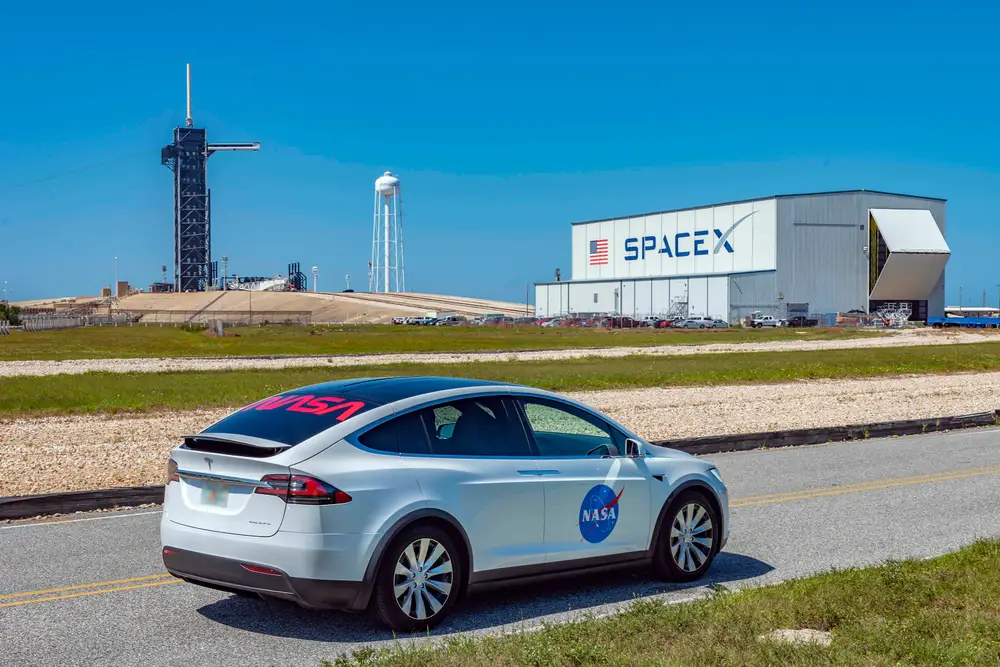
Less than a week after SpaceX completed what has been described as the largest initial public offering in market history, brokerage firms are already moving to bring SpaceX-linked products to retail investors around the world, including Africa. For readers searching how African investors can trade SpaceX stock, the development points to a broader shift underway across digital finance. Access to international markets is expanding through online platforms, allowing retail investors in African markets to participate in companies that were once largely accessible only through private markets or institutional investment channels.
SpaceX priced its shares at $135 ahead of its Nasdaq debut under the SPCX ticker, raising approximately $75 billion and attracting significant investor demand. The scale of the offering has placed the company at the centre of conversations about technology investing, not only because of its role in space exploration but also because of the businesses now driving its growth.
Access to Global Tech Assets Is Expanding Beyond Traditional Brokers
For years, participation in major technology stories was largely determined by geography and access to financial infrastructure. Investors in many African countries often faced limited pathways to international markets, high account minimums, complex onboarding requirements or restricted product availability.
Digital brokerages have steadily changed that landscape. Mobile-first platforms now allow users to track global assets, fund accounts electronically and execute trades from smartphones. The result is a market environment where developments in California, Shenzhen or London can quickly become relevant to traders in Nairobi, Lagos or Johannesburg.


SpaceX occupies a unique position within that trend. The company has become one of the most recognised names in aerospace, satellite communications and private space exploration. Interest in the business extends beyond the traditional space industry because its activities increasingly intersect with telecommunications, internet infrastructure and artificial intelligence.
A SpaceX CFD Is Exposure to Price Movements, Not Ownership
The structure of the product matters as much as the company attached to it.
A contract for difference allows traders to speculate on whether an asset’s price will rise or fall. The trader does not own the underlying shares. Instead, the contract reflects movements in the asset’s value over the period the position remains open.
That distinction becomes particularly important when a high-profile company enters retail trading platforms. A trader holding a SpaceX CFD is not a shareholder in SpaceX and does not acquire the rights typically associated with stock ownership. The product provides market exposure rather than an equity stake.
Understanding that difference is essential because CFDs are often marketed alongside stocks, commodities and other familiar financial instruments. The experience of trading them may appear similar through a mobile application, but the underlying mechanics remain different.
Starlink Has Become the Business Behind Much of the SpaceX Story
The enthusiasm surrounding SpaceX is not being driven solely by rockets, launch contracts or ambitions for Mars.
Recent IPO disclosures suggest that Starlink has become the company’s primary revenue engine, generating billions of dollars annually through satellite connectivity services. Subscriber growth has accelerated rapidly in recent years, transforming what began as a satellite broadband project into a global communications business that now underpins much of SpaceX’s financial performance.
That distinction matters because it changes how investors view the company. SpaceX increasingly resembles a communications and infrastructure business alongside its aerospace operations. Recurring connectivity revenue provides a steadier commercial foundation than the project-based economics traditionally associated with space ventures.
The shift is particularly relevant in Africa, where many consumers have encountered SpaceX through Starlink rather than through rocket launches. The satellite internet service has expanded across multiple African markets and has become part of a broader conversation around broadband access, digital infrastructure and connectivity.
Retail Trading Platforms Are Turning Global Markets Into Mobile Products
The emergence of SpaceX-linked trading products reflects a larger transformation taking place across financial services.
Brokerages increasingly compete on access. Instead of focusing only on local equities or foreign exchange products, platforms seek to attract users through exposure to globally recognised brands and themes. Artificial intelligence companies, semiconductor manufacturers, electric vehicle firms and aerospace businesses have become part of that strategy.
Technology plays a central role in making this possible. Modern brokerage platforms combine onboarding, payments, analytics and execution within a single application. Assets that once required specialised relationships with financial institutions can now appear alongside currencies, commodities and indices on the same interface.
This development has lowered barriers to entry while also increasing the responsibility placed on individual investors to understand the products they are using.
African Investors Are Being Offered More Choice Than Many Local Exchanges Can Provide
The popularity of international trading products reflects a reality facing many African capital markets.
Several exchanges across the continent remain relatively small compared with major global markets. Liquidity constraints, limited sector diversity and a shortage of high-growth technology listings have encouraged some investors to look beyond domestic opportunities.
Digital brokerages have responded by packaging access to international assets for users who want broader exposure. A SpaceX-linked product fits naturally within that demand because it offers participation in a company associated with communications infrastructure, satellite connectivity, artificial intelligence and advanced manufacturing.
The company is also becoming more visible across the continent itself. Starlink’s expansion has helped establish SpaceX as more than a distant American technology brand. In several African markets, the company now operates within the digital economy through services that consumers and businesses use directly. That makes its transition into public markets more relevant to African audiences than many previous technology listings.
Regulation Will Shape How Far the Trend Can Go
The expansion of international trading products across Africa is likely to continue, but regulation will remain a decisive factor in determining how these markets evolve.
Authorities face the challenge of balancing innovation with investor protection. As brokerage platforms introduce increasingly sophisticated products, regulators will continue to scrutinise issues such as disclosure standards, leverage, risk management and consumer education.
The arrival of SpaceX-linked CFDs is therefore best understood as part of a larger story. The largest IPO in history is moving through a rapidly expanding network of digital investment platforms, bringing one of the world’s most closely watched technology companies closer to African retail investors. In the process, it offers a glimpse of how global capital markets are becoming more accessible to individuals far beyond the financial centres where those companies are listed.
Go to TECHTRENDSKE.co.ke for more tech and business news from the African continent and across the world.
Follow us on WhatsApp, Telegram, Twitter, and Facebook, or subscribe to our weekly newsletter to ensure you don’t miss out on any future updates. Send tips to editorial@techtrendsmedia.co.ke


