Instagram's TV Expansion Comes as Social Platforms Chase Living Room Audiences
The Samsung TV rollout, creator storytelling experiments and growing interest in microdramas point to a broader shift as platforms once built for phones compete for living-room audiences.

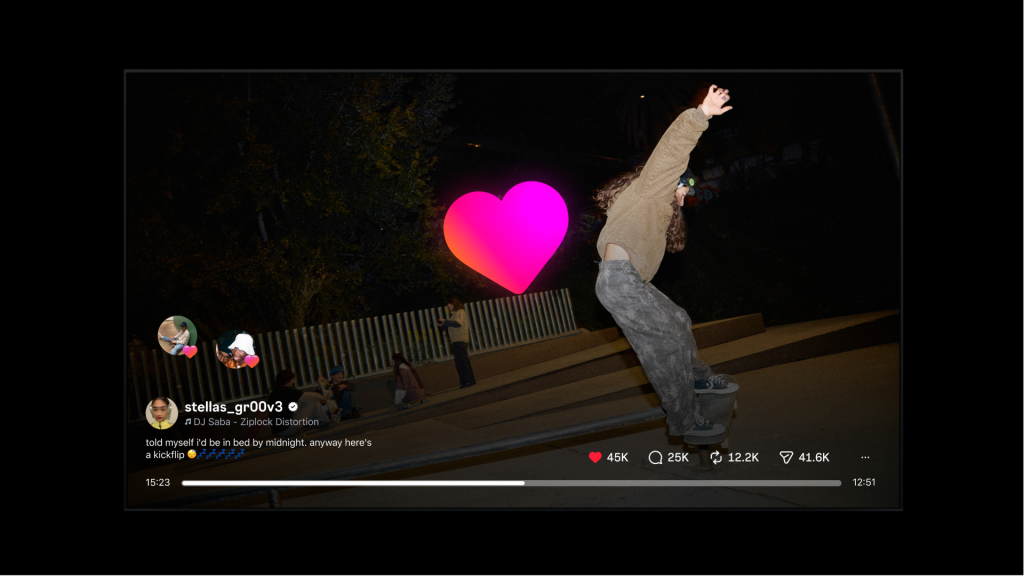
Instagram has expanded its television ambitions with the launch of Instagram for TV on Samsung smart televisions, bringing the service to one of the world’s largest connected-TV ecosystems. The move arrived alongside tests for horizontal video, television viewing for Stories, casting features and early plans for episodic creator content.
The Instagram TV app rollout looks like a product launch. It is more accurately understood as the latest stage of a strategic shift that has been unfolding across media for several years. What began as a competition between television companies and social platforms is increasingly becoming a contest among businesses that now resemble one another.
Instagram’s Samsung Launch Is the Product of a Strategy Years in the Making
The television initiative did not emerge suddenly in 2026. Reports throughout 2025 indicated that Meta was exploring television products built around Reels and connected-TV viewing. By the time Instagram executives began describing television as the platform’s next frontier this year, much of the underlying work was already underway.
That timeline matters because it places the Samsung launch within a broader roadmap. The company is not testing whether television matters. It is investing in a belief that creator-led viewing can occupy a larger share of living-room entertainment.

The launch also follows changing consumer behavior. Viewers increasingly encounter creator content on televisions rather than exclusively on smartphones. What once appeared to be a mobile-only category has expanded into a format that works across screens.
The Failure of IGTV Changed How Meta Thinks About Long-Form Video
The current strategy carries echoes of Instagram’s earlier attempt to expand into long-form viewing.
In 2022, Instagram shut down the standalone IGTV app after years of limited adoption. The company folded video products into the main Instagram experience and shifted its attention toward Reels. At the time, many observers interpreted the decision as a rejection of longer-form video.
The lesson Meta appears to have drawn was more specific. IGTV required users to embrace a separate destination for long-form content. The television strategy does not. Instead, it extends Instagram into environments where audiences are already spending time.
That distinction explains why Meta is now willing to revisit formats it once appeared to abandon. Horizontal viewing, episodic programming and longer storytelling sessions are returning under very different conditions.
YouTube Proved That Creator Content Belongs on Television
No company has influenced this shift more than YouTube.
For much of the smartphone era, media companies assumed mobile viewing would gradually replace television. YouTube demonstrated a different outcome. Creator content successfully migrated from computers to phones and then onto television screens.
The result challenged longstanding assumptions about what audiences wanted to watch in living rooms. Television viewers proved willing to spend hours with creators, podcasts, gaming content and independent productions that would once have been considered internet-native entertainment.
Instagram’s television expansion becomes easier to understand when viewed through that lens. The company is not attempting to invent a new category. It is entering one that YouTube has already validated at scale.
Microdramas Turn Television Conventions Into Social Media Products
The most revealing element of Instagram’s roadmap may be its interest in episodic storytelling and microdramas.
Microdramas package serialized narratives into short episodes often lasting one to three minutes. While the format feels new to many Western audiences, its storytelling mechanics are deeply familiar. Cliffhangers, recurring characters, emotional reveals and scheduled audience return have defined television programming for decades.
TikTok’s investment in PineDrama demonstrates how aggressively social platforms are embracing the model. Production companies, creators and media firms are increasingly building content specifically for vertical viewing while retaining television’s core narrative structure.
Instagram’s interest in creator-led episodic storytelling reflects the same logic. Social platforms have discovered that television conventions can increase retention, strengthen audience loyalty and create viewing habits that extend beyond individual clips.
TikTok and Instagram Are Following Different Paths Toward the Same Goal
TikTok’s broader strategy offers additional context.
The platform has expanded into commerce, search, maps, travel bookings, sports hubs, payments and gaming. Analysts increasingly describe the company as pursuing a super-app model that keeps users inside its ecosystem for a growing share of daily activities.
Instagram’s expansion appears more focused on entertainment. Rather than building a broad utility platform, Meta is investing in additional ways for creators and audiences to spend time together.
The distinction is important because both companies are ultimately competing for attention. One is broadening the range of services available inside the platform. The other is broadening the range of viewing experiences.
Both approaches reduce the need for users to leave.
The Living Room Has Become Social Media’s Most Valuable Growth Market
Audience behavior is only part of the story. Advertising economics matter just as much.
Connected television remains one of the fastest-growing segments of the advertising market while traditional linear television continues to lose share. At the same time, social media platforms face slower growth in user attention than they enjoyed during previous decades.
The living room offers access to viewing hours and advertising budgets that social platforms historically struggled to reach. Bringing creator content onto television screens expands inventory, creates new sponsorship opportunities and positions social companies to compete more directly for premium video advertising.
Television is becoming attractive not because it is old media. It remains one of the largest concentrations of audience attention.
Television Companies Are Adopting Feed Mechanics as Fast as Social Platforms Adopt TV
The convergence is moving in both directions.
Streaming platforms increasingly incorporate features that originated on social media. Netflix has experimented with short-form discovery feeds. Other services have introduced clips, highlights, vertical viewing experiences and creator-oriented programming.
The goal is not to imitate TikTok. It is to borrow the mechanics that make social platforms effective at discovery and retention.
Traditional television relied on schedules and channel lineups. Social media relies on recommendation systems and endless feeds. Streaming companies increasingly blend the two approaches as they compete for smartphone users and younger audiences.
That dynamic makes Instagram’s television strategy part of a much larger industry realignment.
The Next Competition Is Over Attention Systems, Not Screens
The most useful way to understand Instagram’s television ambitions is to stop thinking about screens as separate markets.
Audiences move between phones, tablets, laptops and televisions throughout the day. Content moves with them. Advertising follows. Discovery systems increasingly determine what gets watched regardless of device.
The emerging competition is not between television and social media. It is between different systems for capturing and directing attention.
Instagram’s television push, TikTok’s investment in microdramas, YouTube’s dominance on connected televisions and streaming services’ adoption of social discovery tools all point toward the same outcome. The categories that once separated television, social media and streaming are weakening.
The companies that thrive in the next phase of digital entertainment will be the ones that control both the story and the feed that delivers it.
Go to TECHTRENDSKE.co.ke for more tech and business news from the African continent and across the world.
Follow us on WhatsApp, Telegram, Twitter, and Facebook, or subscribe to our weekly newsletter to ensure you don’t miss out on any future updates. Send tips to editorial@techtrendsmedia.co.ke