

A Vehicle Manufacturing Deal Is Bringing Kenya Closer to Japan's Industrial Orbit
What appears to be an automotive-sector investment is also a test of whether Kenya can build the supplier networks, technical capacity and reliable infrastructure that sustained industrial growth has historically required.

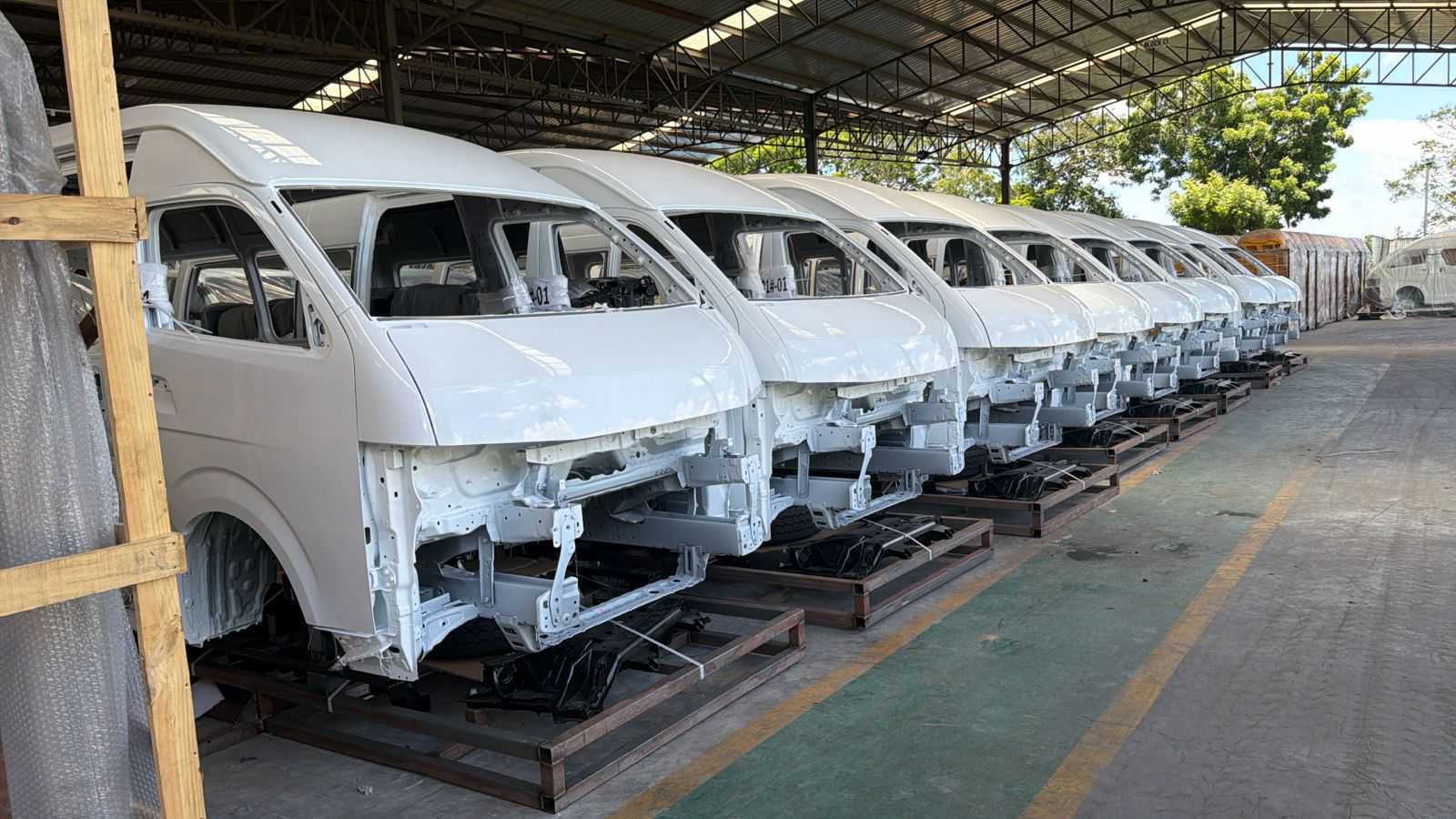
On June 22, President William Ruto witnessed the signing of a Sh22.1 billion financing agreement between Kenya and Japan’s Nippon Export and Investment Insurance (NEXI) at State House, Nairobi. The Kenya-Japan vehicle manufacturing deal was presented as support for local assembly, but the agreement reaches far beyond production lines. It combines industrial policy, energy infrastructure and sovereign financing strategy at a moment when the government is searching for new pathways to economic growth and investment.
The largest share of the facility, Sh13.1 billion, is earmarked for implementation of Kenya’s National Automotive Policy. Another Sh5 billion will fund efforts to reduce electricity losses across the national grid, while Sh4 billion will support broader government reform programmes.
The State House Signing Was the Latest Step in a Two-Year Diplomatic Push
The agreement did not emerge in isolation. Kenyan officials linked it directly to engagements that began during President Ruto’s state visit to Japan in 2024 and continued through the Tokyo International Conference on African Development process.
That timeline helps explain the broader significance of the financing package. The agreement reflects a relationship that has steadily expanded from development assistance into industrial and commercial cooperation. More than 120 Japanese companies already operate in Kenya, and both governments have been discussing ways to increase private-sector participation in manufacturing, infrastructure and technology sectors.

NEXI’s involvement places the agreement within Japan’s long-standing approach to overseas industrial partnerships. Export credit agencies are designed to support commercial activity, investment and technology deployment. The facility therefore serves both Kenya’s industrial ambitions and Japan’s interest in strengthening economic ties with a growing regional market.
Vehicle Assembly Only Matters When Suppliers Grow Alongside It
Local vehicle assembly has featured in Kenya’s industrial plans for years. The challenge has never been assembling vehicles. The challenge has been creating an ecosystem around assembly.
Manufacturing sectors generate their largest economic gains when suppliers emerge alongside final production facilities. Parts manufacturers, electrical component producers, metal fabricators, logistics providers and maintenance firms create the networks that deepen industrial capacity and increase local value addition.
Kenya is no longer starting from scratch. Electric bus maker BasiGo has begun local assembly through Associated Vehicle Assemblers in Mombasa, while a growing number of mobility companies have adopted hybrid sourcing models that combine imported technical systems with locally produced components such as fabricated metal parts, seats, tyres, wiring and glass. Those developments remain small relative to the overall vehicle market, but they offer a glimpse of the supplier networks policymakers are attempting to expand rather than create from nothing.
The government’s emphasis on supporting industries is therefore more important than the assembly plants themselves. An assembly sector that relies primarily on imported components can create jobs and technical skills, but it captures only a fraction of the value generated by a mature automotive industry.
The financing package suggests policymakers are attempting to move beyond that model. Whether those ambitions translate into local component production will determine how much economic value remains within Kenya’s borders.
Japan Is Financing More Than Factories
The language surrounding the agreement repeatedly references technology transfer, skills development and industrial capacity.
Those objectives point toward a broader strategy than expanding production volumes. Manufacturing partnerships often function as channels for technical expertise, workforce training and industrial standards that influence sectors beyond their original targets.
Kenya’s automotive ambitions also intersect with wider efforts to strengthen domestic manufacturing. Industrial policy increasingly focuses on creating sectors capable of supplying regional markets rather than serving domestic demand alone. Access to markets within the East African Community and the African Continental Free Trade Area gives manufacturers a larger customer base than Kenya’s borders alone can provide.
The agreement creates opportunities for Japanese technology and investment to enter those sectors while giving Kenya access to expertise that has supported industrial growth elsewhere.
Energy Losses Have Become an Industrial Competitiveness Problem
The Sh5 billion allocation for reducing energy losses may prove just as consequential as the automotive funding.
Manufacturers depend on reliable and affordable electricity. Technical losses, ageing infrastructure and electricity theft increase system costs and reduce efficiency across the grid. Those costs eventually filter through to businesses and consumers.
Reducing losses effectively increases the amount of usable electricity available without constructing new generation capacity. For industrial policy, that matters because energy costs influence investment decisions, operating margins and competitiveness.
The inclusion of energy infrastructure within the financing package suggests policymakers view industrial growth and power-sector efficiency as interconnected challenges rather than separate policy areas.
The Samurai Bond Structure Opens a New Financing Channel
The agreement also marks Kenya’s entry into Japan’s capital markets through a Samurai bond structure.
That development arrives as governments across emerging markets look for alternatives to traditional borrowing sources. Kenya has relied on domestic borrowing, multilateral lenders and international bond markets for much of its financing. Access to Japanese investors introduces another channel that could diversify funding options.
The long-term importance of this development will depend on the terms attached to future issuances. Interest rates, repayment schedules and currency exposure will determine whether Japanese capital markets provide a sustainable source of financing.
For policymakers, however, diversification itself carries value. Dependence on a narrow group of lenders can limit flexibility when financing conditions change.
Electric Mobility Is Emerging Inside Kenya’s Manufacturing Strategy
One of the more revealing details surrounding the agreement concerns electric mobility.
Government officials have indicated that the programme could support electric vehicle technologies alongside broader manufacturing objectives. That reflects wider changes taking place within global automotive markets, where investment increasingly follows the transition toward electrification.
Kenya enters that discussion with more momentum than is often recognised. More than 35,000 electric vehicles had been registered nationally by the end of 2025, compared with fewer than 800 three years earlier. Electric motorcycles account for much of that growth, while companies are investing in battery-swapping networks, charging infrastructure and local assembly capacity. Kenya Power has already recorded hundreds of millions of shillings in revenue from EV charging and is expanding dedicated tariffs and charging facilities as electricity demand from transport rises.
Those developments suggest that electric mobility is no longer an experimental segment operating on the margins of the economy. It is becoming part of the country’s broader industrial and energy planning landscape. The question is whether the new financing can help convert that early momentum into manufacturing depth.
The Real Test Will Be What Gets Built After the Agreement
The financing package provides resources, but industrial outcomes depend on execution.
The critical indicators will emerge over the coming years. Policymakers will need to demonstrate growth in local content, supplier development, workforce skills and production capacity. Investors will look for evidence that supporting industries are expanding alongside assembly operations. Manufacturers will evaluate whether infrastructure and energy reforms reduce costs and improve competitiveness.
Policy consistency may prove just as important as financing. Several electric mobility companies have recently warned that changes to tax treatment and incentive structures can alter investment calculations throughout the supply chain. Vehicle assembly projects are built around long planning horizons that depend on stable assumptions about costs, localisation incentives and market conditions.
Kenya’s challenge is no longer attracting interest in manufacturing. Japanese financing, growing electric mobility investment and expanding local assembly activity suggest that interest already exists. The harder task is creating the policy stability, supplier networks and industrial capacity required to turn that interest into a manufacturing ecosystem capable of sustaining itself long after the financing package has been spent.
Go to TECHTRENDSKE.co.ke for more tech and business news from the African continent and across the world.
Follow us on WhatsApp, Telegram, Twitter, and Facebook, or subscribe to our weekly newsletter to ensure you don’t miss out on any future updates. Send tips to editorial@techtrendsmedia.co.ke


