African Startup Funding Hits $135 Million in May as Large Deals Dominate the Market
The most revealing part of May's funding data may not be how much money was raised, but where it ultimately ended up

The shape of African startup funding is becoming easier to identify than the monthly totals themselves.
May 2026 produced 37 disclosed transactions worth at least $100,000, generating a combined $135 million across equity, debt and grant financing. The figure places African startup funding well below the levels seen across much of last year, but the more revealing detail sits elsewhere: most of the month’s capital came from a very small group of companies.
Four transactions accounted for roughly three-quarters of all announced funding during the month.
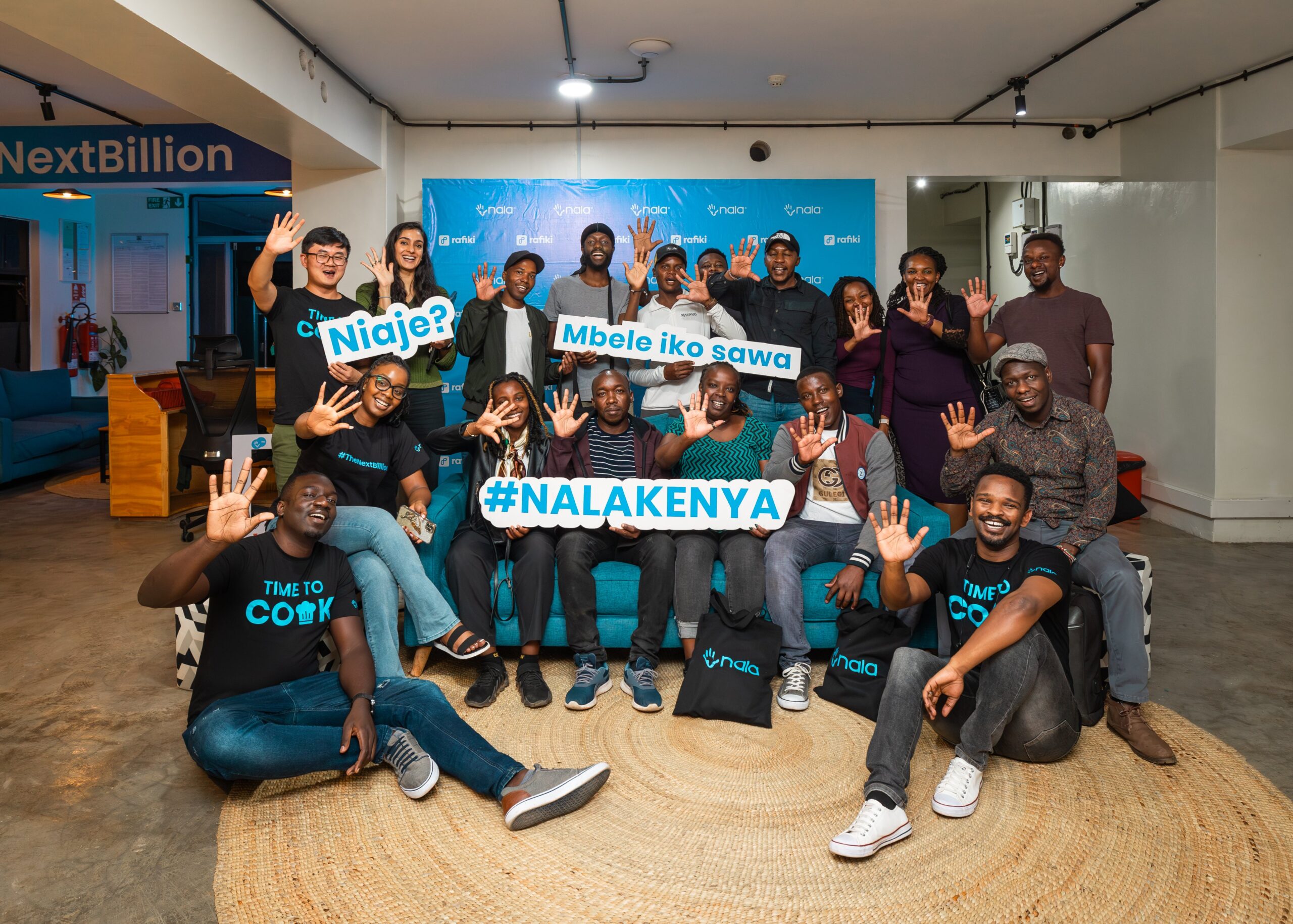
Nala secured a $50 million credit facility. LemFi added $30 million through a Series B extension. Africa GreenCo raised $10 million, while Bfree announced another $10 million. Together, those transactions represented about $100 million of the continent’s disclosed funding activity in May.


Remove those deals and the remaining capital pool becomes markedly smaller despite dozens of companies still accessing financing.
That imbalance has become a recurring feature of the market.

For founders seeking growth capital, the challenge is no longer simply whether funding is available. The question increasingly revolves around who can attract larger pools of capital while investors narrow their focus toward companies with stronger operating histories, established revenue streams or clearer paths to repayment.
The financing mix illustrates that reality.
Debt financing reached approximately $68 million in May, narrowly exceeding the $65 million raised through equity transactions. Grants contributed another $2 million. By value, debt and equity now occupy nearly equal positions within the market.
A few years ago, that would have been unusual.
Across much of the earlier venture cycle, equity dominated startup financing. Recent figures suggest lenders have become far more influential participants in the ecosystem, particularly for companies able to demonstrate commercial traction.
The year-to-date numbers point in the same direction. Between January and May, African ventures announced about $843 million through 160 disclosed transactions exceeding $100,000. Capital deployed during that period has been split almost evenly between debt and equity instruments.
Regional distribution of funding remains uneven.
West Africa and East Africa attracted the majority of disclosed capital in May. Nigeria alone accounted for nearly two-thirds of all equity funding announced during the month, reinforcing its position as the continent’s largest startup financing market despite a slower overall investment environment.
The concentration appears less severe when measured by deal count rather than funding volume. Startups across multiple countries continued to secure financing, though the largest cheques remained clustered among a smaller group of companies.
Sector performance followed a familiar pattern.
Fintech generated a substantial share of capital raised, helped by the size of the Nala and LemFi transactions. Large financial technology rounds continue to influence continental funding totals disproportionately, often determining whether a month appears strong or weak from a headline perspective.
Liquidity activity also remained present beneath the fundraising data.
Six exits were recorded during May. Among the most notable was the planned acquisition of Bima for approximately $119 million, demonstrating that investor returns are still being generated even during periods when new funding volumes remain restrained.
The emerging picture is not one of market inactivity. Capital continues to move, companies continue to raise funds and exits continue to occur.
What has changed is the distribution.
A growing share of funding is being concentrated among a limited number of ventures, while debt providers occupy a larger role in financing growth. As a result, monthly funding totals increasingly depend on whether a handful of larger transactions reach the market.
For investors, founders and ecosystem observers, that may be one of the defining characteristics of African startup funding in 2026.
Go to TECHTRENDSKE.co.ke for more tech and business news from the African continent and across the world.
Follow us on WhatsApp, Telegram, Twitter, and Facebook, or subscribe to our weekly newsletter to ensure you don’t miss out on any future updates. Send tips to editorial@techtrendsmedia.co.ke


