
Zipline Looks to Rwanda as It Expands Drone Services Across Africa
A livestock programme in Rwanda is giving Zipline a new way to use the delivery network it first built for healthcare, with agriculture emerging as the next test for drone logistics across Africa.


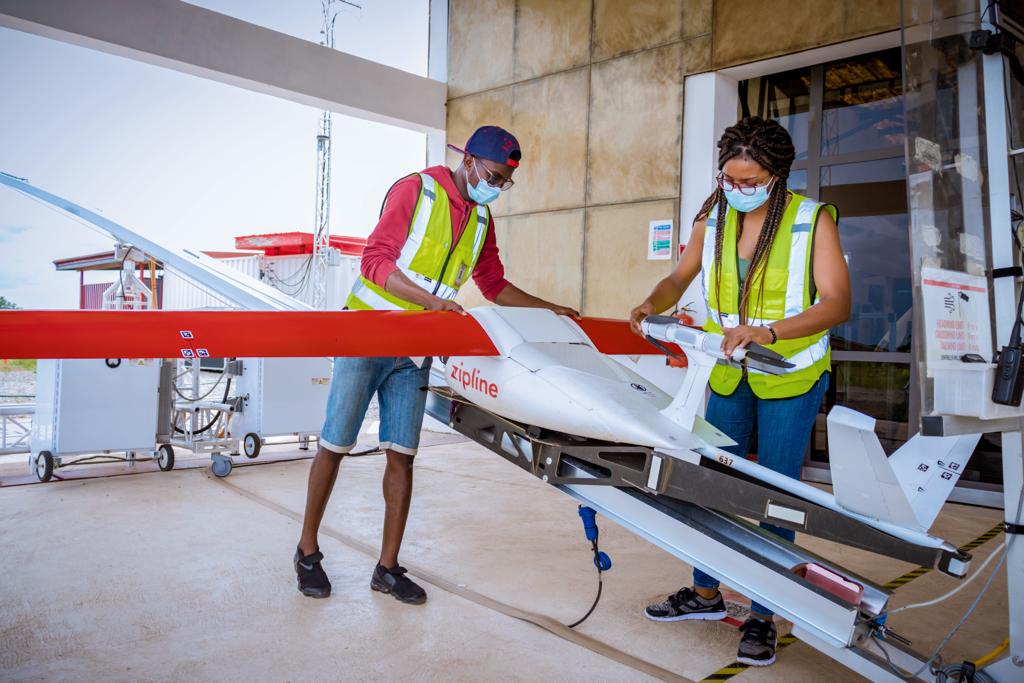
A decade after drone deliveries were first entered into African healthcare systems, the industry’s next growth challenge may be arriving through farms rather than hospitals.
Zipline, which operates drone delivery networks across several African countries, is preparing to extend agricultural services developed in Rwanda into additional markets as it searches for new ways to increase the use of infrastructure originally built for medical logistics.
The move points to a commercial reality facing drone operators. Distribution centres, flight operations, cold-chain systems and regulatory approvals are expensive to establish. Once those networks exist, operators have an incentive to find additional categories of deliveries that can move through the same infrastructure.
Livestock breeding has emerged as one of those opportunities.
Company-backed research published recently reported higher farmer earnings linked to a programme that combines refrigerated storage with drone delivery of livestock insemination materials. The study attributed the income gains to increased piglet production and higher pork output.
For drone operators, the importance of such programmes extends beyond agriculture.

Many African drone networks were initially justified through public-health needs such as blood transport, vaccine distribution and emergency medical deliveries. Those services remain central, but they do not necessarily maximize network capacity every day of the year.
Adding agricultural demand creates another stream of deliveries moving through the same system.
Rwanda has become a testing ground for that approach. The country hosts Zipline’s largest African operation and has increasingly served as the environment where the company develops and scales new services before wider deployment elsewhere.
That role has expanded in recent years. Rwanda has continued to extend Zipline’s footprint through additional distribution infrastructure, plans for urban drone delivery operations, and new testing capabilities that position the country at the centre of the company’s long-term operational development strategy.
The company now operates in Rwanda, Ghana, Kenya, Nigeria and Côte d’Ivoire. Discussions are underway to increase coverage within existing markets through additional distribution facilities, according to company executives.
That emphasis on infrastructure mirrors developments already underway in Rwanda, where Zipline is expanding its network beyond its existing facilities with another distribution centre designed to deepen national coverage and increase delivery capacity.
Expansion talks are also taking place with Lesotho.
The strategy suggests growth is no longer defined solely by entering new countries. Building deeper coverage inside existing markets may offer a different route to scale, particularly where governments have already established regulatory frameworks for commercial drone operations.
That calculation becomes more important as investors increasingly scrutinize infrastructure-heavy technology businesses.
Drone logistics requires substantial upfront spending before meaningful delivery volumes are reached. Increasing the number of services supported by each network can improve utilization rates and spread operating costs across multiple sectors.
Agriculture presents an attractive target because many of the technical requirements already overlap with healthcare logistics. Both depend on reliable cold-chain management, rapid transportation and access to communities located far from major urban centres.
Whether the Rwanda model can be replicated elsewhere remains uncertain.
The country has spent years building a reputation as one of Africa’s most active environments for autonomous logistics, giving companies room to test services at a scale that remains difficult to achieve in many larger markets. Replicating that combination of regulatory support, operational experience and physical infrastructure may prove harder than replicating the technology itself.
For Zipline, the next phase of expansion may therefore depend as much on network economics as on drone technology. The question facing the sector is becoming less about whether drones can make deliveries and more about how many industries can be served from the same infrastructure.
Go to TECHTRENDSKE.co.ke for more tech and business news from the African continent and across the world.
Follow us on WhatsApp, Telegram, Twitter, and Facebook, or subscribe to our weekly newsletter to ensure you don’t miss out on any future updates. Send tips to editorial@techtrendsmedia.co.ke


