
M-PESA generated KES478bn in social value in FY26 – Safaricom

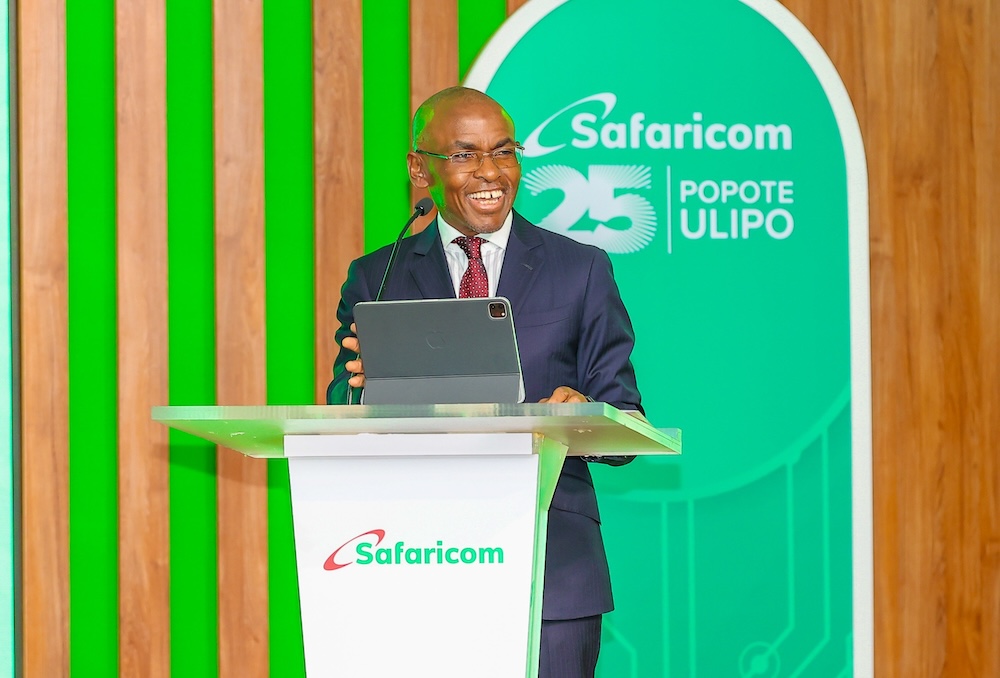
Safaricom’s M-PESA platform generated an estimated KES478.1 billion (about US$3.7 billion) in social value for Kenya in the financial year to March 2026, according to the operator’s 15th Sustainable Business Report.
Safaricom also said 57.8% of M-PESA transactions during the year carried no customer charge, as part of efforts to make digital financial services more affordable.
“Our impact is measured not only by what we earn, but by the value we create for society. More than half of M-PESA transaction volumes attracted no customer charge, helping millions of Kenyans transact affordably and participate in an increasingly digital economy,” said Peter Ndegwa, group CEO of Safaricom.
Overall, Safaricom said it generated KES1.25 trillion (about US$9.7 billion) in economic and social value for Kenya in FY26, up 10% on the previous year. The figure covers livelihoods supported across its ecosystem, financial inclusion initiatives and investment in access to essential services.



Its ecosystem supported more than 1.4 million jobs, including M-PESA agents, dealers, suppliers and other business partners.
Safaricom connected 739,000 homes during the year. Of these, 8,200 subscribed to a fixed internet package priced at KES800 (about US$6) a month, which the company introduced to widen access to home broadband.
“As we grow into a technology company, we want every Kenyan to have the opportunity to participate in the digital economy. That means reliable connectivity, affordable access and the skills to use technology to improve their lives,” Ndegwa said.
Solar sites, disclosure shift
Safaricom increased the number of solar-powered network sites to more than 2,000 in FY26, up from 1,432 the year before. Its tree-growing programme passed a cumulative three million trees. Safaricom and the M-PESA Foundation reached 4.4 million people through programmes in healthcare, education, economic empowerment, water access and conservation.
Persons with disabilities made up 4% of Safaricom’s workforce, against an internal target of 5%.
The report is the first to use a double materiality framework. It measures both the company’s impact on society and the environment, and how sustainability risks such as climate change, fraud and cyber security could affect its long-term performance.
Safaricom is also preparing for Kenya’s mandatory sustainability reporting requirements and plans to fully comply with the applicable IFRS sustainability disclosure standards by FY28.
“As technology becomes more central to people’s lives, we have a responsibility to ensure that growth and innovation create opportunity, strengthen trust and leave society better off,” Ndegwa said.
Go to TECHTRENDSKE.co.ke for more tech and business news from the African continent and across the world.
Follow us on WhatsApp, Telegram, Twitter, and Facebook, or subscribe to our weekly newsletter to ensure you don’t miss out on any future updates. Send tips to info@techtrendsmedia.co.ke

