
As Kenya looks beyond the budget for infrastructure funding, transparency becomes central to the debate

Kenya’s infrastructure financing plans are bringing pension capital, securitisation and future revenue streams into a wider debate about how the government should fund major projects without relying entirely on conventional budget allocations.
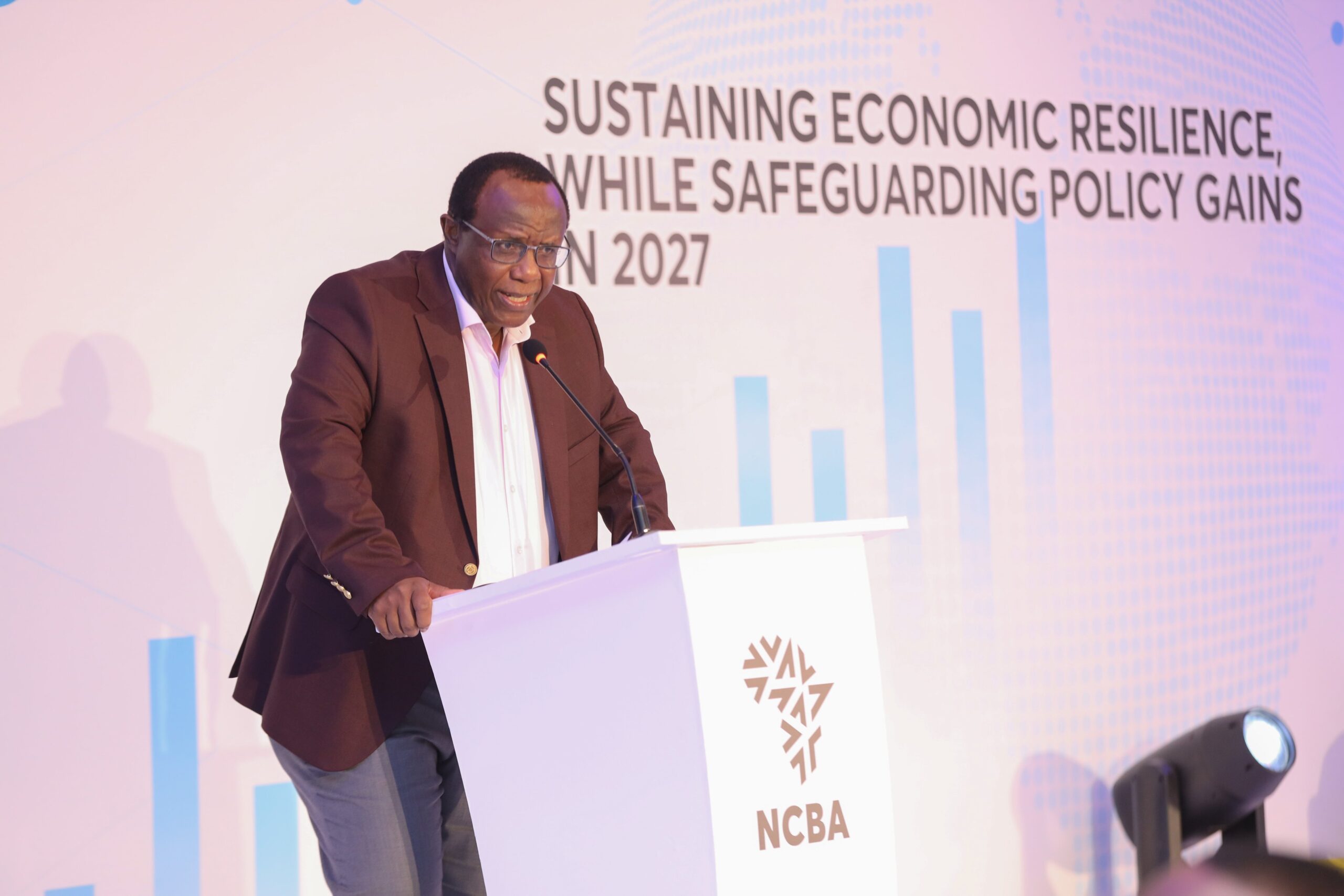
At the NCBA Economic Forum 2026, David Ndii defended alternative financing structures, while Kwame Owino raised concerns about the financial obligations and accountability attached to such arrangements.
The discussion comes against the background of government efforts to mobilise private and institutional capital for infrastructure. The National Infrastructure Fund is part of this approach, with the proposed financing model intended to draw on investment income, pension savings and project-level borrowing.
Kenya looks beyond conventional budget financing
Ndii discussed infrastructure priorities covering water and irrigation, electricity and highways. He referred to an ambition to expand electricity capacity by 10,000 MW, alongside an estimated US$5 billion investment requirement for transmission and distribution infrastructure.



He also discussed plans covering approximately 2,000 kilometres of highways. These projects form part of a wider financing challenge as Kenya seeks to expand infrastructure while managing pressure on public finances.
Alternative funding structures could bring institutional investors and private capital into projects that would otherwise depend heavily on annual government allocations. Pension funds are among the sources of capital discussed in connection with this model.
Securitisation brings future revenues into the debate
Securitisation was one of the central points of disagreement between Ndii and Owino. The financing approach involves using expected future revenue streams to support the raising of capital for current investment.
Ndii defended the use of alternative financing to mobilise resources for infrastructure, while Owino questioned the transparency and implications of financing structures that draw on future revenues.
The distinction matters because the financing method determines how project costs and obligations are distributed over time. Investors need to understand the revenue supporting an arrangement, while public institutions must account for commitments connected to government-backed projects.
Pension capital and private investment
The proposed use of pension savings introduces another dimension to the infrastructure financing debate. Institutional investors can provide long-term capital suited to projects that generate returns over extended periods.
Ndii’s broader argument was that Kenya needs financing structures capable of mobilising capital beyond the conventional Exchequer. Water, electricity and transport infrastructure all require substantial investment, making the participation of pension funds, banks and private investors important to the proposed model.
The question of financial accountability
Owino’s concerns placed transparency at the centre of the discussion. Financing outside the annual budget still requires clear reporting on the revenue streams, repayment obligations and risks associated with individual projects.
The debate therefore extends beyond how Kenya raises money for infrastructure. It concerns how investors and the public can understand the financial commitments created by those arrangements.
As the country pursues alternative funding, the ability to disclose project costs, financing structures and future obligations will be central to maintaining confidence in the model.
Go to TECHTRENDSKE.co.ke for more tech and business news from the African continent and across the world.
Follow us on WhatsApp, Telegram, Twitter, and Facebook, or subscribe to our weekly newsletter to ensure you don’t miss out on any future updates. Send tips to info@techtrendsmedia.co.ke

