
A new generation of Kenyan investors is finding its way into the stock market as junior share ownership surges

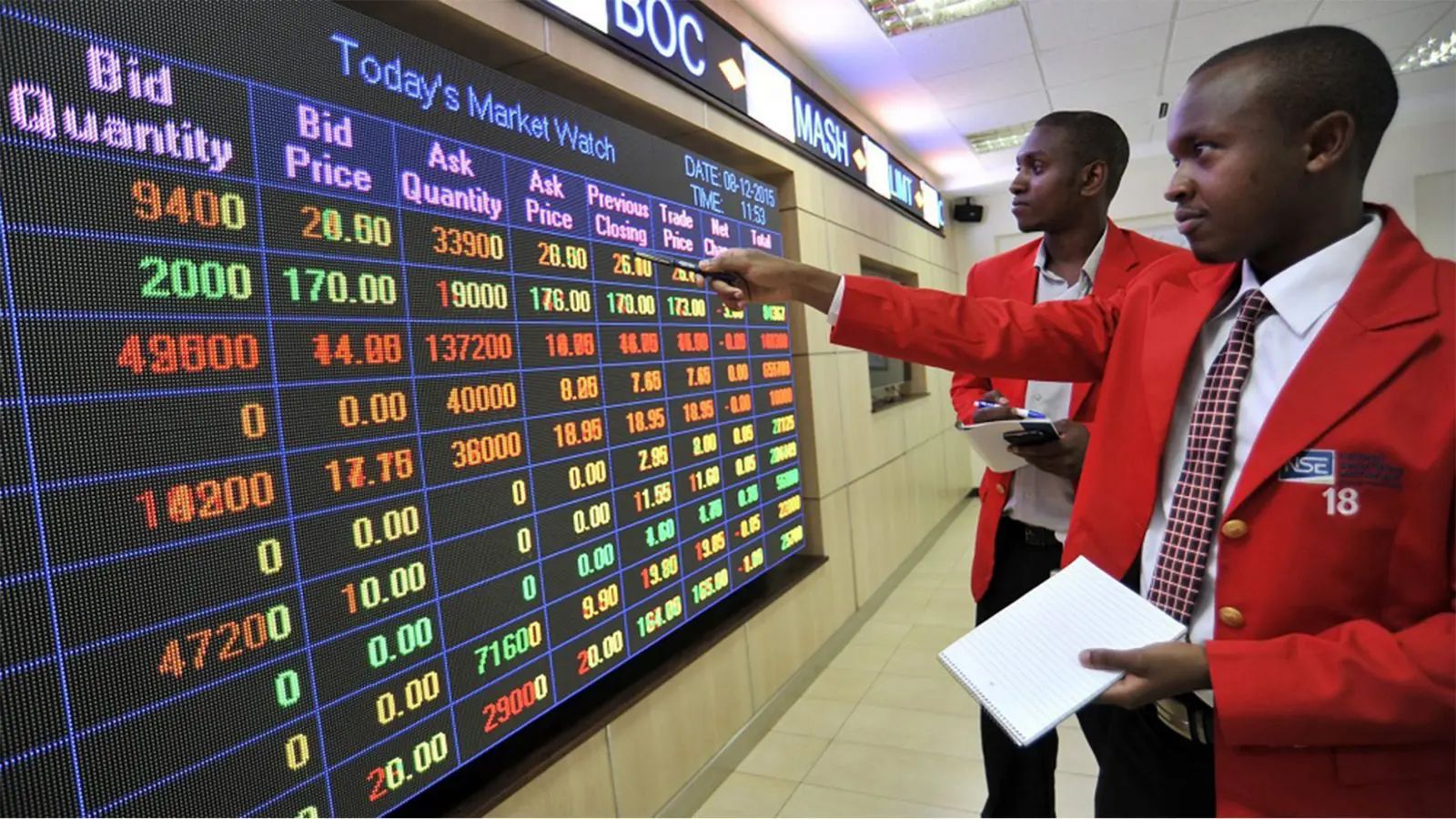
The number of teenage investors holding shares at the Nairobi Securities Exchange (NSE) has more than doubled in nine months, as a recovering stock market and wider access to investment platforms bring younger Kenyans into the country’s capital markets.
Data from the Capital Markets Authority (CMA) shows that junior equity investors, defined as individuals below 18 years, increased to 497 in September 2026 from 236 at the end of December 2025, representing growth of 110.6%. The figure was also 2.4 times the 207 recorded in September 2025 and nearly three times the 175 reported in September 2023.
Their combined shareholdings were valued at approximately KSh120 million, representing 0.003% of the NSE’s KSh4 trillion equity market. The category has also begun appearing in the corporate bond market, where seven junior investors held accounts in September, up from four in March.
The figures point to a growing interest in share ownership among younger Kenyans, although their collective financial exposure remains small compared with that of established investors. Their entry is happening during a period when the exchange is attracting more participants, recording higher trading activity and welcoming new listed companies.


Parents and guardians introduce minors to share ownership
Kenyan minors can invest in listed companies through junior Central Depository System (CDS) accounts opened and operated by their parents or guardians. These accounts allow children to hold shares before reaching adulthood, giving families a way to introduce investment and ownership of listed businesses at an early age.
The growth in junior accounts also comes as access to equity trading becomes more convenient through digital financial services. Safaricom’s Ziidi Trader, which integrates NSE share trading into the M-Pesa ecosystem, has added another route through which retail investors can access listed shares.
TechTrendsKE reported in February that Ziidi Trader had processed 7,962 of 14,300 share orders, accounting for 55% of transaction volume but 2% of traded value during its early operating period. By May, the platform had recorded 511,000 registrations, while 84,000 accounts had bought shares between February and March, according to subsequent reporting.
The platform’s transaction activity demonstrated how mobile distribution could bring smaller investors into the equity market. Alongside junior CDS accounts, these developments reflect the different channels through which Kenyan households can gain exposure to listed companies.
Digital trading and market recovery widen investment access
The increase in junior investors coincides with a strong performance at the NSE, where returns averaged more than 33% in 2026. This compares with average bank deposit rates of 6.94% at the end of September and Treasury bill yields below 10%, making equities the best-performing investment class over the period.
The exchange has also recorded a substantial expansion in its wider investor base. CMA figures show that the number of NSE investors increased by 333,043 in the nine months to September, taking the total to 2.36 million. This was more than three times the 98,063 investors added during a similar period in 2025 and nearly double the 174,400 recorded throughout that year.
TechTrendsKE’s October reporting on retail participation documented how digital trading and the recovery in share prices have contributed to renewed activity at the exchange. Ziidi Trader had recorded more than KSh1 billion in cumulative turnover across 351,440 trades by June 2026, according to the publication’s October 19 coverage.
The return of major listings has provided another source of activity. Kenya Pipeline Company conducted its initial public offering in March, followed by Family Bank’s listing in June, bringing new investment opportunities to the exchange after a prolonged period of limited listing activity.
NSE’s expanding investor base puts junior growth in perspective
The wider expansion in market participation has coincided with a rise in the NSE’s market capitalisation, which reached KSh4.12 trillion in September from KSh2.94 trillion at the end of 2025. The market crossed the KSh4 trillion threshold for the first time during the quarter, reflecting the rise in the combined value of listed shares.
However, ownership remains concentrated among corporate investors. CMA data shows that local corporate investors held 71.367% of equity investments at the end of September, while foreign corporate investors accounted for 12.305%. Local individual investors held 11.434%, leaving junior investors with their 0.003% share of the market.
The growth in junior accounts is therefore taking place alongside a market where institutional investors continue to command the largest share of equity holdings. The difference between rising investor numbers and the distribution of market value illustrates the varied financial capacity of participants entering the exchange.
The broader investment market is also developing beyond individual company shares. TechTrendsKE reported in September that collective investment schemes had reached KSh948.7 billion in assets under management by June 2026, while CMA has been pursuing stronger investor protection and regulatory oversight as more digital investment services enter the market.
The NSE’s recovery since 2024 has helped restore attention to listed equities after a prolonged bear market that weakened investor confidence. With more investment platforms, new listings and a growing retail investor base, the rise in junior share ownership adds another dimension to Kenya’s expanding capital markets.

