Stockbrokers cash in as NSE turnover more than doubles 2025's full-year figure

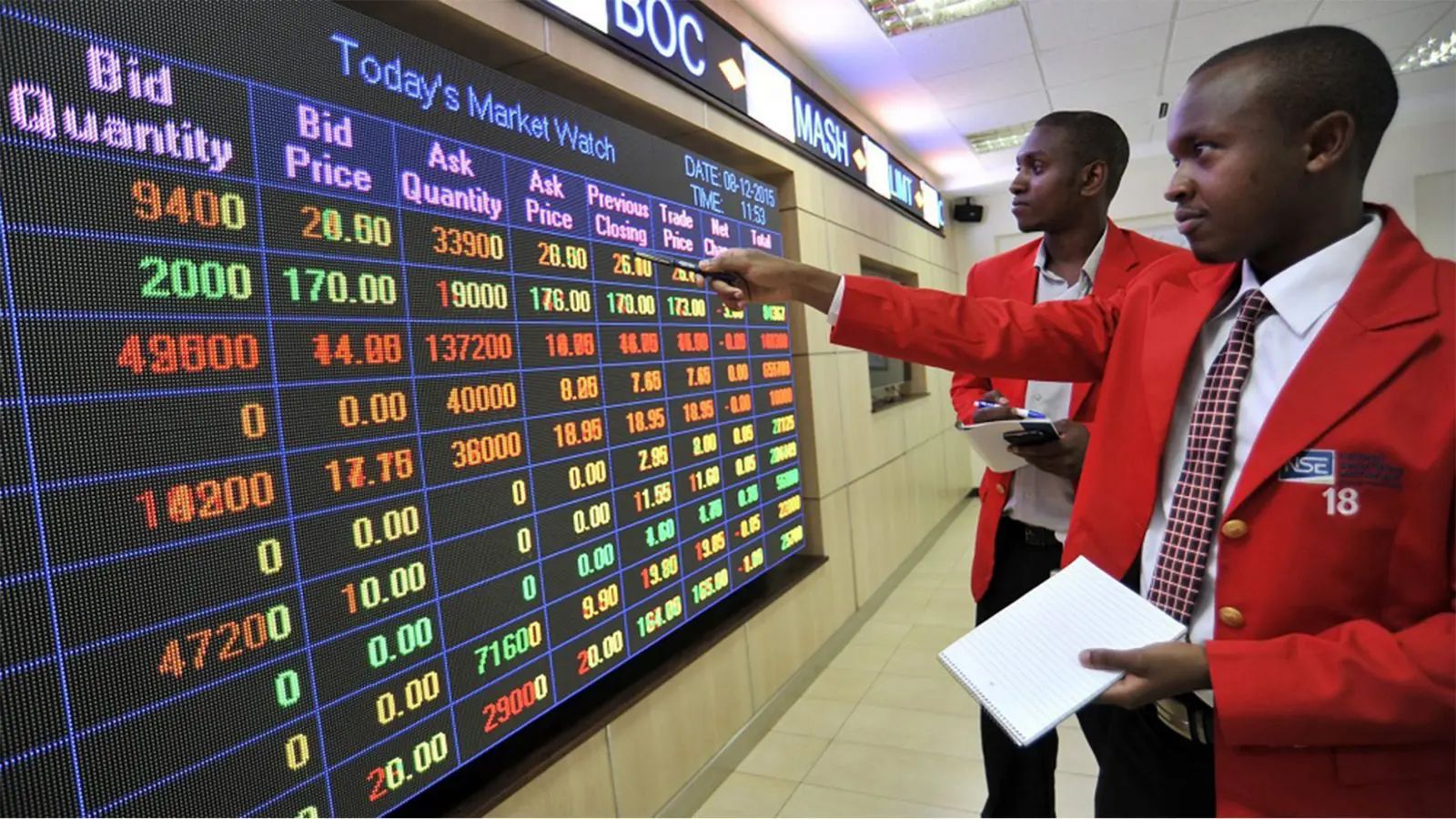
Kenya’s stock market boom is delivering a financial windfall for stockbrokers and other market intermediaries, with equity turnover at the Nairobi Securities Exchange (NSE) reaching KSh395 billion in the nine months to September 2026. The value of shares traded during the period was more than double the KSh145 billion recorded in the whole of 2025, as new listings, rising share prices and large transactions lifted activity at the bourse. The recovery has also boosted revenues at the NSE and revived earnings for brokerage firms that endured several difficult years when trading activity and deal-making were subdued.
Stockbrokers could have generated as much as KSh14 billion in commissions from equity transactions through September, based on calculations applying the maximum brokerage rate of 1.78% to both sides of transactions. This is a theoretical estimate rather than a reported industry earnings figure, since actual commissions depend on the rates charged and the transactions undertaken. The distinction matters as the industry reports stronger earnings from a market recovery that has been accompanied by new public offerings, listings and increased participation by investors.
NSE equity turnover more than doubles 2025’s full-year figure
The NSE’s performance has accelerated since the market began recovering in 2024 from a prolonged bear run that had weakened investor confidence and reduced trading commissions. Equity turnover reached approximately KSh322 billion in the first half of 2026, compared with KSh56.03 billion in the same period of 2025, according to figures cited in the market’s financial reporting. The NSE attributed the improvement to participation by institutional and retail investors, alongside a major Safaricom transaction that lifted overall liquidity.
The increase has pushed the market towards a record annual turnover, with more than 11.4 billion shares traded during the first nine months of the year. Market capitalisation, which measures the combined market value of listed shares, reached KSh4.12 trillion at the end of September, crossing the KSh4 trillion mark for the first time. The higher valuation reflects rising share prices and changes in the value of listed holdings, adding to the appeal of equities among investors seeking returns from the stock market.


The expansion of the investor base has accompanied the rise in turnover. Capital Markets Authority data shows the NSE added 333,043 investors in the nine months to September, bringing the reported total to 2.36 million. The additions were more than three times the 98,063 recorded over the same period in 2025, creating a larger potential pool of investors for brokers and other market participants.
Safaricom block trade accounts for half of the nine-month turnover
A substantial part of the increase in equity turnover came from a block trade involving 6.01 billion Safaricom shares valued at KSh204.3 billion. The transaction followed the Kenyan government’s sale of a 15% stake in Safaricom to South Africa’s Vodacom, placing one of the country’s largest listed companies at the centre of the year’s trading activity.
The NSE said the Safaricom transaction materially boosted market liquidity and turnover, contributing to a 476% rise in equity turnover during the first half of the year. The block trade represented approximately 51.7% of the KSh395 billion recorded in equity turnover through September. Excluding the transaction, the remaining turnover would stand at about KSh190.7 billion, still above the entire KSh145 billion recorded in 2025.
The figures point to two developments operating alongside each other. The Safaricom transaction created an exceptional increase in the value of shares traded, while activity elsewhere in the market also improved. The distinction is important when assessing whether the recovery is spreading across listed companies and generating a broader base of recurring trading commissions.
Large shareholder transactions have also featured in other listings. Dangote Group’s acquisition of a 24.7% stake in Kenya Pipeline Company for KSh42.5 billion involved the transfer of existing shares, illustrating how changes in ownership can generate substantial market activity without representing fresh capital raised by the company. Such transactions create opportunities for market intermediaries involved in trading and related services, although the fees earned depend on their roles in each deal.
Stockbroker commissions rise as the market recovers
The increase in trading activity has translated into stronger reported commission income for stockbrokers. Industry figures show commissions rose 73% to KSh2.76 billion in the first half of 2026, reflecting the recovery from the subdued trading conditions that characterised the previous market downturn. The earnings provide a more direct measure of the industry’s financial performance than estimates based on applying the maximum brokerage rate to all equity turnover.
The KSh14 billion estimate is based on a maximum commission of 1.78%, applied twice to account for the buyer and seller sides of transactions. At that rate, KSh395 billion in turnover would generate approximately KSh7.03 billion if the commission were applied once, or KSh14.06 billion if both sides were charged the maximum rate. High-value trades can attract lower commission rates, however, and actual brokerage income also reflects the mix of equity, fixed-income and other services provided by individual firms.
The recovery has reversed some of the pressure on brokerage businesses that previously faced reduced trading commissions and fewer corporate transactions. A separate analysis of industry financial statements put the combined income of market intermediaries at KSh9.88 billion in the six months to June, up from KSh3.7 billion a year earlier. That income includes several revenue streams, among them transaction fees from listings and fund management fees, rather than equity commissions alone.
Bond trading provides another source of activity. Turnover in the NSE’s bond market reached KSh2.54 trillion by the end of September, considerably more than the value recorded in equities. Brokers and investment banks involved in fixed-income trading can earn commissions and other transaction-related income, adding to the opportunities created by the recovery in share trading.
New listings create additional revenue opportunities
The return of major public offerings and new listings has widened the range of activities available to market intermediaries. Kenya Pipeline Company’s March IPO involved 11.81 billion shares offered at KSh9 each, ending an 11-year drought in major listings. Family Bank subsequently joined the exchange through a listing by introduction in June, allowing existing shareholders to trade their holdings on the public market.
Quickmart’s public offer has added another transaction to the market’s expanding pipeline. The retailer’s offer, alongside the introduction of property investment products such as Trific Green I-REIT and Africa Logistics Properties’ dollar-denominated REIT, has broadened the range of securities available to investors. These transactions create opportunities for advisers, brokers and other intermediaries, depending on their responsibilities in structuring, distributing and trading the securities.
Not every listing generates fresh capital for the issuer. A public offer involving existing shares can provide an exit for shareholders and widen public ownership without transferring the full value of the offer into the company’s balance sheet. The distinction matters when assessing the wider economic contribution of the NSE’s recovery, even as the transactions generate fees for firms involved in the process.
The NSE has also been pursuing broader access to international markets and new investment products, while digital channels such as Ziidi Trader have opened additional routes for investors to access listed securities. A larger pool of potential investors and a wider range of products could support future activity, although the financial benefits to brokers ultimately depend on completed transactions and the services they provide.
NSE earnings benefit from higher transaction activity
The exchange itself has benefited directly from the increase in trading. NSE revenue more than doubled to KSh1.2 billion in the six months to June 2026, compared with KSh511.5 million in the corresponding period a year earlier. The first-half figure also exceeded the KSh1.08 billion the exchange generated in the whole of 2025.
The equity transaction levy was a major contributor to the increase. Revenue from the levy rose to KSh770.5 million in the first half from KSh133.8 million a year earlier, representing growth of approximately 476%. The levy accounted for about 64% of the exchange’s first-half revenue, underlining the importance of stronger market activity to its financial performance.
The CMA and the Central Depository and Settlement Corporation also collect transaction-related levies, giving the market’s recovery a broader effect across the institutions responsible for regulation, trading and settlement. The distribution of income varies according to the applicable fee schedules and the services provided, but the higher level of activity has expanded the pool of transactions from which these institutions can earn revenue.
The recovery comes as Kenya seeks to deepen its capital markets and broaden the role of the NSE in corporate financing. New listings, a larger reported investor base and stronger trading have improved the commercial environment for market intermediaries, while the contribution of exceptional transactions such as the Safaricom block trade shows how individual deals can influence headline performance. Sustaining the gains will depend on continued participation, liquidity across listed securities and a steady pipeline of transactions that supports brokers and the wider market beyond a handful of large deals.
Go to TECHTRENDSKE.co.ke for more tech and business news from the African continent and across the world.
Follow us on WhatsApp, Telegram, Twitter, and Facebook, or subscribe to our weekly newsletter to ensure you don’t miss out on any future updates. Send tips to editorial@techtrendsmedia.co.ke