

WhatsApp Username Reservations Open Ahead of Launch
The rollout marks a fundamental change in how more than three billion people will connect, allowing conversations to begin without first exchanging phone numbers.

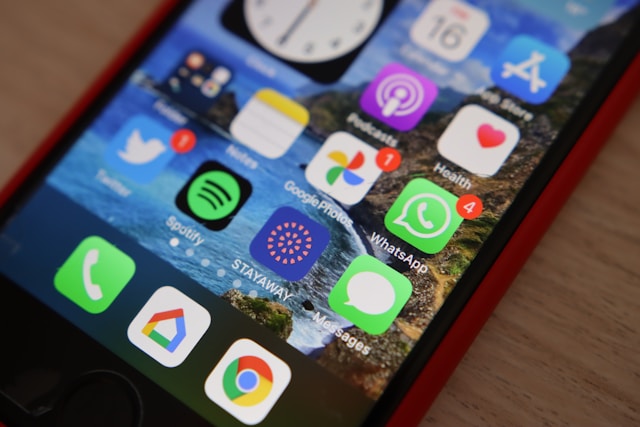
WhatsApp username reservations are beginning to roll out worldwide, giving users the chance to secure unique usernames before the feature becomes available in their country.
The staged rollout marks one of the biggest changes to WhatsApp’s identity model since the messaging service launched, allowing people to connect without automatically revealing their phone numbers while preserving the platform’s emphasis on private communication.
The feature will eventually reach more than three billion WhatsApp users, making the phased reservation process as much an infrastructure exercise as a product launch.
The reservation system appears under Settings > Account > Username, although availability will expand gradually. Once usernames are enabled locally, users will be able to start conversations and join groups using their chosen name instead of immediately sharing a personal phone number.


What WhatsApp Username Reservations Mean
WhatsApp has tied every account to a phone number since its launch. That requirement made onboarding simple but also meant users often had to disclose personal contact details before starting a conversation.
Usernames separate public identity from the underlying account. Instead of exchanging phone numbers, users will be able to share a unique username while keeping their number hidden from new contacts.
Meta says usernames will remain optional, allowing existing users to continue using WhatsApp exactly as they do today if they prefer.
The company has also ruled out a public username directory or recommendation system. Someone will need to know a user’s exact username before making first contact, a design choice intended to preserve WhatsApp’s private messaging model rather than turn it into another social network.
An optional username key will add another approval layer before first contact, giving users additional control over who can reach them.
Why Meta Is Opening Reservations Before Launch
Rolling out reservations before enabling usernames addresses a practical problem.
With more than three billion users on WhatsApp, competition for common names would be intense if the feature launched all at once.
Opening reservations first gives users time to claim their preferred names while allowing Meta to manage disputes, prevent obvious impersonation attempts and prepare the infrastructure before usernames become active.
The company is also giving creators, businesses and organizations an opportunity to claim usernames that match their existing Instagram and Facebook identities, helping maintain consistent branding across Meta’s ecosystem.
Privacy Comes First, Discovery Comes Second
Although usernames resemble features already available on other messaging platforms, WhatsApp has deliberately limited how they work.
There will be no searchable directory and no recommendation engine surfacing usernames to strangers.
That makes usernames function more like a private address than a public profile.
The approach addresses one of the platform’s longest-standing privacy concerns. People can now share a username in situations where handing out a personal phone number would have been unnecessary, such as marketplace transactions, customer support, networking or community groups.
Epic Games chief executive Tim Sweeney welcomed the move, describing the removal of phone numbers as a significant improvement for digital identity.
Businesses Gain a New Identity Layer
The feature also has commercial implications.
Businesses that already operate across Facebook and Instagram can reserve matching WhatsApp usernames, creating a consistent identity across Meta’s largest consumer platforms. That means a customer who discovers a business on Instagram or Facebook can continue the conversation on WhatsApp under the same recognizable identity rather than relying on a published phone number.
The rollout also fits a broader direction inside Meta’s products. Over the past year, the company has expanded identity-focused features spanning account verification, creator profiles, business tools and cross-platform account management. WhatsApp usernames extend that work into Meta’s largest messaging platform by giving users and organizations a portable identity that exists independently of a phone number.
Verification and Scams Become the Next Challenge
Usernames also introduce new risks.
Paytm founder Vijay Shekhar Sharma noted that verified usernames could eventually sit alongside similar-looking unverified accounts, raising familiar impersonation challenges seen on other digital platforms.
Users and developers have also questioned how WhatsApp will handle scams when a phone number is no longer visible during first contact.
Meta appears to have anticipated those concerns. The combination of exact username matching, the absence of public search and optional username keys is designed to reduce unsolicited contact while giving users more control over who reaches them.
Whether those protections remain effective at WhatsApp’s scale will become clearer once usernames are available globally.
Telegram Comparisons Miss the Scale of WhatsApp’s Rollout
The announcement quickly prompted comparisons with Telegram, which introduced usernames more than a decade ago.
Critics argued that WhatsApp is following a path established by rival messaging services after a lengthy delay.
The comparison is technically accurate, but it overlooks the complexity of introducing identity features to a platform serving more than three billion users across almost every market in the world.
Managing namespace conflicts, protecting high-profile accounts and preventing impersonation becomes a substantially larger undertaking when hundreds of millions of users may compete for the same names.
That helps explain why Meta chose a reservation period before enabling username-based messaging.
Why This Matters
Usernames are more than another profile field.
They redefine how people identify themselves on WhatsApp by separating public identity from the phone number that authenticates the account.
The feature also marks another step in Meta’s effort to build a more consistent identity layer across its family of apps, allowing people and businesses to carry recognizable identities between Facebook, Instagram and WhatsApp without exposing personal contact details.
If the rollout succeeds, users will gain a more private way to connect, businesses will benefit from stronger continuity across Meta’s platforms, and WhatsApp will remove one of the biggest limitations that has distinguished it from competing messaging services.
The challenge now is ensuring that stronger privacy does not come at the expense of trust. Verification, impersonation controls and abuse prevention are likely to determine whether WhatsApp’s new identity system delivers on its promise once it reaches users worldwide.
Go to TECHTRENDSKE.co.ke for more tech and business news from the African continent and across the world.
Follow us on WhatsApp, Telegram, Twitter, and Facebook, or subscribe to our weekly newsletter to ensure you don’t miss out on any future updates. Send tips to editorial@techtrendsmedia.co.ke


