
Parliament Blocks Proposed Smartphone Tax, Leaving Treasury Back at the Drawing Board
Lawmakers rejected the proposed smartphone tax increase, arguing it would complicate collection, raise affordability concerns and undermine digital access goals.

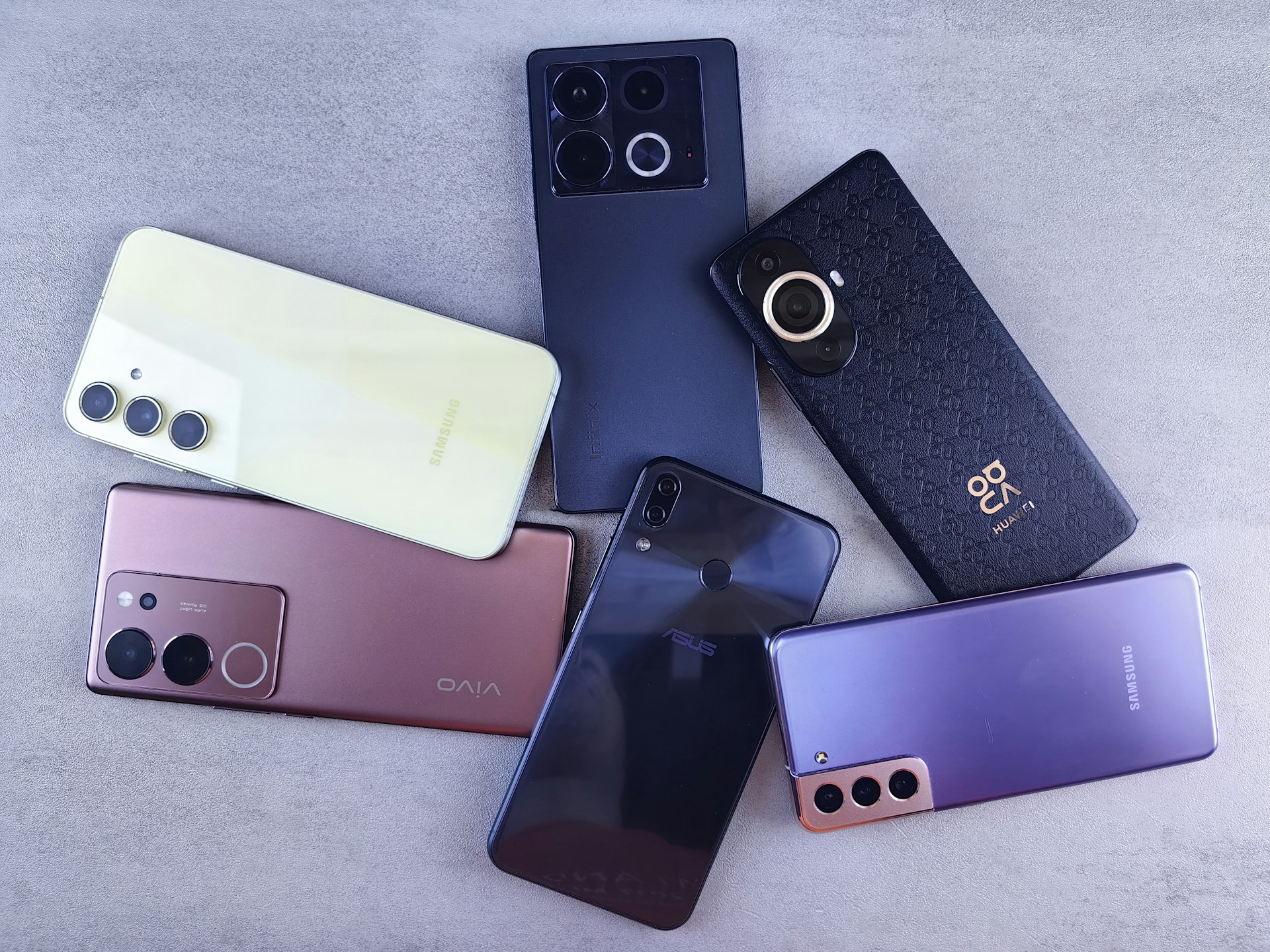
The National Assembly has rejected a proposal to raise the Kenya smartphone tax from 10 percent to 25 percent, dealing a significant setback to the National Treasury’s plans to overhaul how mobile devices are taxed. Lawmakers argued that the proposal would create compliance challenges, increase uncertainty for consumers and risk making smartphones less affordable at a time when digital access is increasingly tied to economic participation.
The decision, contained in the Finance Bill 2026 report by the Departmental Committee on Finance and National Planning, removes one of the most closely watched tax proposals in this year’s budget cycle.
Treasury had proposed increasing excise duty on mobile phones to 25 percent while shifting the tax collection point from importation to handset activation on a mobile network. Officials argued that the changes would simplify smartphone taxation and eventually reduce the overall tax burden on devices.
Instead, MPs concluded that the proposal raised more questions than answers.


Parliament Blocks Proposed Smartphone Tax Changes
Under the current system, excise duty is collected when devices are imported or released from local factories. Treasury wanted to move that obligation to the point at which a handset is activated by a user.
According to lawmakers, the change would delay revenue collection and complicate tax administration by introducing uncertainty over when a phone becomes taxable.

The committee also warned that consumers could unknowingly purchase devices on which excise duty had not yet been paid, creating confusion across the supply chain.
Industry stakeholders had similarly questioned how activation would be defined and enforced, particularly in a market where devices can change hands multiple times before connecting to a mobile network.
Why MPs Rejected the Treasury Proposal
The committee’s objections extended beyond administration.
Lawmakers said the higher excise duty could undermine affordability and accessibility, particularly for lower-income households that increasingly depend on smartphones to access financial services, government platforms, education and online work opportunities.
The proposal attracted opposition from business associations, manufacturers, phone dealers and technology sector stakeholders. Many argued that increasing smartphone taxes would run counter to national efforts aimed at expanding digital inclusion and growing Kenya’s digital economy.
The committee ultimately recommended deleting the proposal and called for further research and stakeholder consultations before any similar framework is considered.
The Tax Reform Treasury Wanted to Build
The parliamentary rejection also exposes a larger challenge facing Treasury’s smartphone tax strategy.
When Treasury first unveiled the proposal, Cabinet Secretary John Mbadi argued that the government was not seeking to increase the cost of smartphones. Instead, officials presented the 25 percent excise duty as a replacement for multiple existing taxes applied to imported devices.
Treasury estimated that imported smartphones currently attract a combined tax burden of roughly 55 percent through value-added tax, customs duty, the Import Declaration Fee and the Railway Development Levy.
The government’s original plan envisioned replacing much of that structure with a single 25 percent tax charged after activation.
Had all the proposed changes been implemented, officials argued that smartphone prices could have fallen despite the higher excise rate.
That logic began to weaken when Treasury acknowledged that Kenya could not independently remove the 25 percent East African Community customs duty on imported smartphones. The levy is governed by the regional common external tariff framework and would require approval from partner states.
Without the removal of customs duty, the anticipated reduction in smartphone taxes became far less significant, reducing the economic case for the new system.
Local Smartphone Assemblers Secure a Major Win
In a separate decision, MPs rejected a proposal to reclassify locally assembled smartphones and lithium-ion batteries from zero-rated to VAT-exempt status.
The distinction is important for manufacturers because zero-rated supplies allow businesses to recover input VAT, while exempt supplies do not.
The committee said maintaining zero-rated status would help preserve investment certainty and support local manufacturing initiatives introduced under the Finance Act 2023.
The decision benefits companies involved in local smartphone assembly and distribution, including M-KOPA, Sun King and East African Device Assembly Kenya.
Lawmakers warned that reversing the policy would increase production costs and potentially discourage future investment in local device manufacturing.
What the Decision Means for Phone Prices
For consumers, the immediate outcome is stability rather than transformation.
The excise duty on smartphones remains at 10 percent, and taxation will continue to be collected at importation or factory release rather than activation.
At the same time, the broader reforms that Treasury initially linked to lower smartphone prices remain largely unresolved. With the East African Community customs duty still in place, imported devices continue to face one of the highest tax burdens in the market.
As a result, Parliament’s decision protects consumers from a new excise increase but also leaves intact many of the structural taxes that continue to influence smartphone prices.
The debate has highlighted a growing policy tension. Government wants to expand revenue collection while accelerating digital adoption. The challenge is finding a tax framework that achieves both objectives without making access to connected devices more expensive for the people expected to use them.
Go to TECHTRENDSKE.co.ke for more tech and business news from the African continent and across the world.
Follow us on WhatsApp, Telegram, Twitter, and Facebook, or subscribe to our weekly newsletter to ensure you don’t miss out on any future updates. Send tips to editorial@techtrendsmedia.co.ke


