Diaspora Cash Is Keeping Many Kenyan Households Afloat, New Data Shows
As migration reshapes family finances, a new survey shows diaspora remittances are paying for far more of everyday life than previously understood.

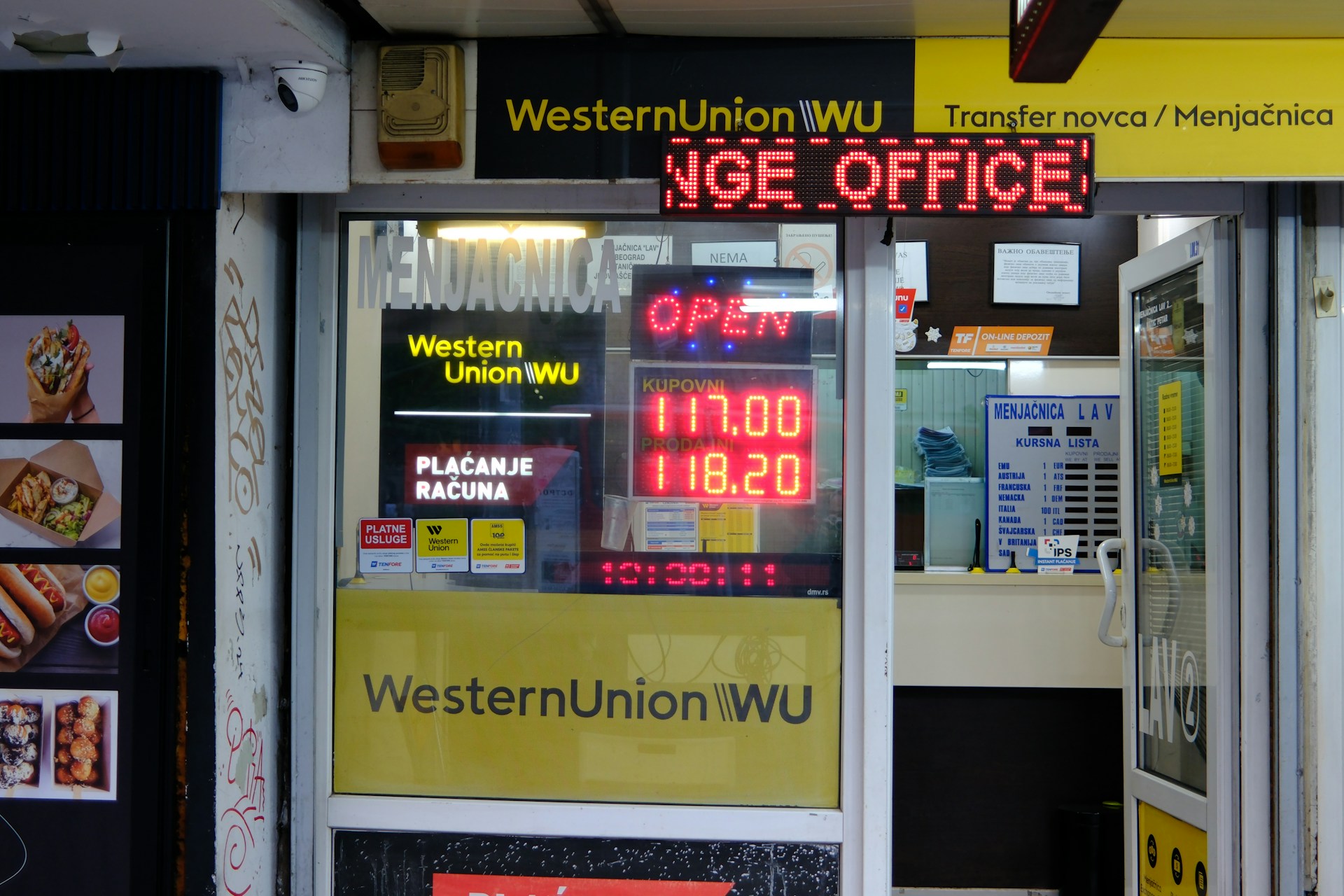
Kenya diaspora remittances are increasingly being used to pay for food, education and healthcare, according to a landmark household survey that offers the clearest picture yet of how money sent home from abroad supports family finances.
The findings challenge a long-standing perception that diaspora funds are primarily directed into land purchases, home construction and other investments. Instead, the survey suggests remittances have become a critical source of household support for many families facing rising living costs and constrained incomes.
The 2025 Remittances Household Survey, conducted by the Kenya National Bureau of Statistics (KNBS), the Central Bank of Kenya (CBK) and FSD Kenya, estimated total remittance inflows at Sh931.8 billion in the 12 months to May 2025. That figure includes informal transfers and in-kind support that do not appear in traditional remittance reporting.
The Missing Billions Change the Picture
The survey found that official remittance data has been capturing only part of the story.

While the CBK recorded Sh651.2 billion in remittances through formal channels such as banks, mobile money platforms and money transfer operators, the household survey identified an additional Sh280.6 billion arriving through informal means and non-cash support.
These transfers include cash carried by relatives and friends travelling to Kenya, goods delivered through personal networks and other forms of support that rarely appear in financial statistics.

The result is a much larger estimate of diaspora support than previously understood.
Beyond revising the headline number, the findings reveal how deeply remittance income has become embedded in household budgets across the country.
Food, School Fees and Healthcare Come First
The survey shows that food and household goods remain the largest use of remittance income.
More than 73 percent of recipient households reported using diaspora funds to purchase food and other essentials. Education followed, with many families relying on relatives abroad to pay school fees and cover learning expenses.
Healthcare ranked among the most important spending categories, reflecting the growing pressure medical costs place on household budgets.
The pattern points to remittances serving as a source of financial stability rather than discretionary income.
For many households, diaspora support is helping maintain living standards and ensuring access to essential services that might otherwise be difficult to afford.
Why Remittances Are Flowing Into Consumption
The spending patterns highlighted by the survey reflect broader economic realities.
Kenyan households have faced persistent pressure from the cost of food, housing, education and healthcare. Wage growth in many sectors has not kept pace with household expenses, increasing dependence on supplementary income sources.
Against that backdrop, remittances have become an important buffer.
The survey found that more than one-fifth of recipient households consider remittances their main source of livelihood, while many others described them as a significant supplementary income stream.
Rather than representing occasional financial assistance, diaspora transfers are increasingly functioning as a regular component of household income.
The Myth of Diaspora Money as Pure Investment
Public discussion around remittances often focuses on visible projects such as houses, apartment developments and land acquisitions.
The survey paints a different picture.
While some households reported using diaspora funds for property improvements, construction projects and business activities, investment accounted for a relatively small share of reported spending.
Only a small proportion of households indicated that remittances were being directed toward real estate investments.
That finding suggests the most important economic role of remittances today may not be wealth creation but income support.
The visibility of diaspora-funded construction projects has helped shape public perceptions, yet the survey indicates that everyday household needs remain the dominant priority for most recipients.
A Quiet Shift in Kenya’s Welfare Economy
The survey points to a broader shift in the role of migration within Kenya’s economy.
Remittances are no longer simply a source of foreign exchange flowing into the country. They have become an informal welfare mechanism that supports food security, education and healthcare at the household level.
In development terms, the transfers are helping families smooth consumption, manage financial shocks and invest in human capital through schooling and medical care.
This role has become increasingly important as households navigate economic uncertainty and rising living costs.
The findings also suggest that the contribution of the Kenyan diaspora to household welfare has been substantially underestimated because a significant share of support arrives through channels that fall outside conventional reporting systems.
What the Survey Means for Policymakers
For policymakers, the survey raises important questions about how remittance flows are measured and how they can be supported.
The findings indicate that diaspora contributions extend far beyond the formal financial system. They also highlight the importance of reducing transfer costs and improving access to affordable remittance services.
The survey further reveals changing migration patterns. While the United States remains the largest source of remittances, countries such as Germany and Australia are emerging as increasingly important contributors, reflecting shifts in labour migration and international education trends.
Most importantly, the report demonstrates that remittances are playing a larger role in household welfare than previously recognised.
For many Kenyan families, diaspora money is not financing luxury spending or speculative investment. It is paying school fees, covering medical bills, buying food and helping households navigate a challenging economic environment.
The survey’s most significant contribution may therefore be its reframing of remittances not simply as an external economic statistic, but as a vital component of everyday life for millions of Kenyans.
Go to TECHTRENDSKE.co.ke for more tech and business news from the African continent and across the world.
Follow us on WhatsApp, Telegram, Twitter, and Facebook, or subscribe to our weekly newsletter to ensure you don’t miss out on any future updates. Send tips to editorial@techtrendsmedia.co.ke