
WWDC 2026 Was Also a Showcase of Apple's New Leadership Order
Apple's AI reset became visible in the executives chosen to lead the keynote

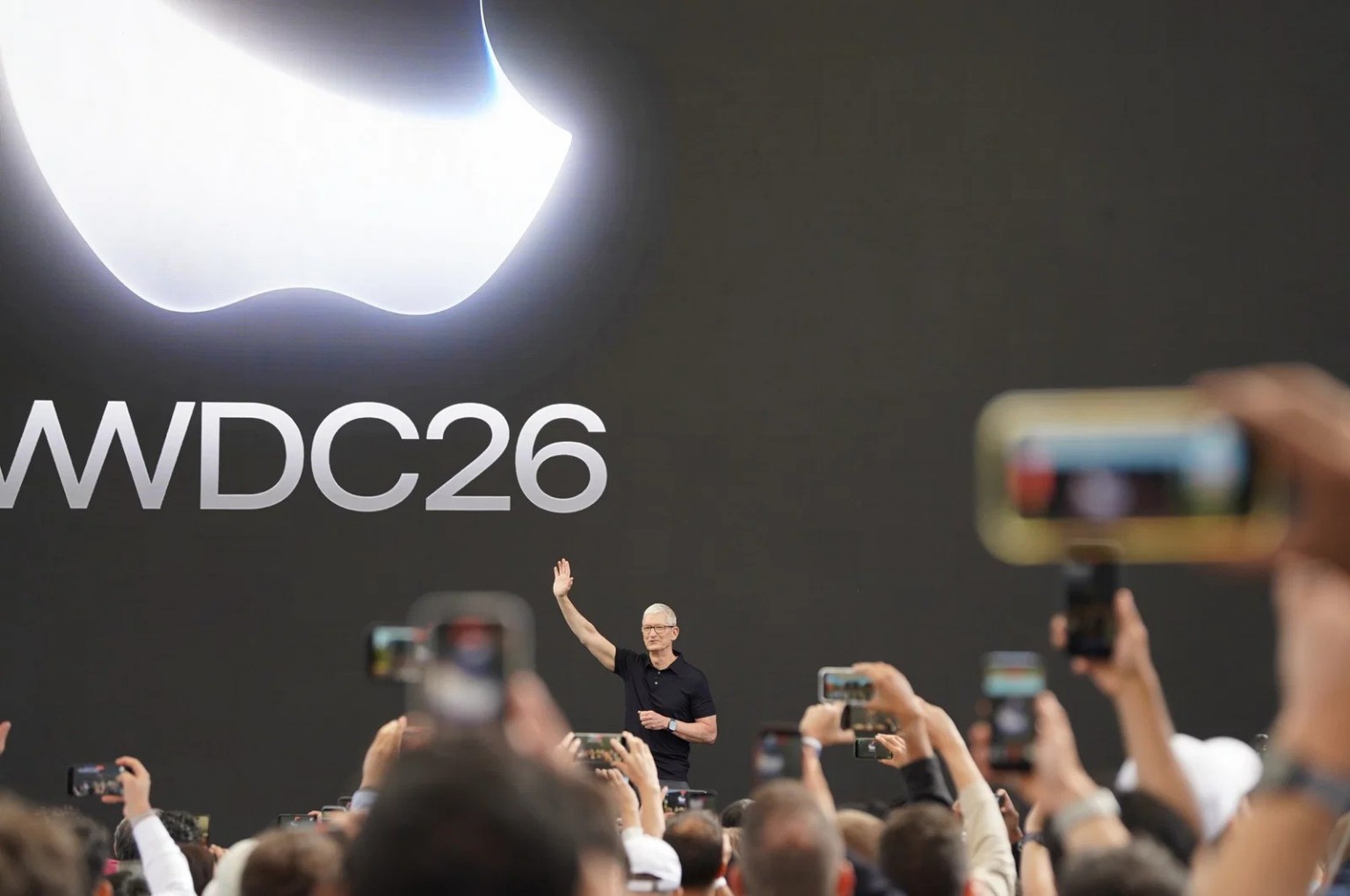
Apple spent much of WWDC 2026 talking about software, artificial intelligence and the future of Siri. The more revealing story sat in the presentation itself.
The keynote arrived during one of the most significant leadership transitions in the company’s modern history. Tim Cook is preparing to hand the chief executive role to John Ternus. The executive team that carried Apple through most of the Cook era is changing. At the same time, the company has reorganized responsibility for artificial intelligence after a period of internal frustration over the pace of development.
The result was a conference that functioned as more than a product launch. It became an introduction to the executives now responsible for Apple’s next strategic priority.
For years, Apple treated machine learning as a specialized domain with its own leadership structure. That arrangement no longer appears to exist in the same form.
The clearest evidence came from who occupied center stage.
Mike Rockwell emerged as one of the most closely watched figures of the event as Apple presented Siri AI and the latest generation of Apple Intelligence. Rockwell built his reputation running the team behind Vision Pro, a project that demanded coordination across hardware, software and custom silicon. His appearance as a leading voice behind Siri reflected a broader reassignment inside the company.
Apple’s challenge was not simply creating AI features. The company needed to turn years of research into products that could ship across hundreds of millions of devices. That requirement favored executives known for execution.
The new Siri demonstrated that philosophy.
Apple presented a system capable of understanding personal context, maintaining awareness across devices and carrying tasks between iPhone, iPad, Mac and Apple Watch. The assistant was shown operating within the operating system itself rather than existing as a separate destination. Siri could draw from messages, photos, applications and web information while remaining connected to Apple’s Private Cloud Compute infrastructure.
The technology attracted attention. The organizational choices behind it may prove equally important.
Craig Federighi occupied a central role throughout the event. As head of software engineering, he has long overseen the platforms that form the foundation of Apple’s ecosystem. Recent changes appear to have expanded that influence further.
Instead of allowing artificial intelligence to develop as a largely separate organization, Apple has increasingly tied AI development to the teams responsible for iOS, macOS, iPadOS and the broader software stack. WWDC repeatedly reinforced that approach. Siri was presented alongside changes to search, automation, Spotlight, Safari, Home and system-level intelligence features. The message was consistent across demonstrations: AI is becoming part of the operating system.
That distinction carries consequences for how Apple competes.
Many technology companies have built standalone AI products that users visit intentionally. Apple is pursuing a model where intelligence becomes embedded within existing software experiences. Features announced during the conference pointed toward a common architecture connecting search, automation and contextual understanding across devices.
Several of the most notable additions depended on infrastructure that users never see. Apple described major work on indexing systems, semantic understanding and context retrieval. Spotlight, Photos, Mail and Siri increasingly draw from the same underlying foundation. What appeared as separate announcements shared a common technical direction.
The leadership structure emerging around that effort appears similarly interconnected.
Rockwell’s responsibilities center on product delivery and user-facing experiences. Reports surrounding the reorganization indicate that AI research and foundational model development are being handled elsewhere within Apple’s engineering ranks. Together, those functions now sit closer to Federighi’s software organization than to the independent AI structure Apple previously maintained.
The absence of former AI chief John Giannandrea hovered over the event even though his name was rarely part of the conversation. Giannandrea arrived from Google as one of Apple’s highest-profile executive hires and spent years leading the company’s machine learning strategy. The current arrangement points to a different model, one where AI development is distributed through the product organization rather than concentrated inside a standalone division.
The timing of that transition intersects with another major change.
John Ternus is preparing to become Apple’s next chief executive after Tim Cook’s departure. Ternus built his career in hardware engineering and became one of the most prominent public faces behind recent Mac and iPhone launches. His elevation places a product-focused executive at the top of the company just as Apple is reorganizing around artificial intelligence.
That combination helps explain some of the decisions visible at WWDC.
The company did not present AI as an isolated category. It was woven into software, services and hardware simultaneously. Siri appeared across platforms. Search infrastructure touched multiple products. Automation features expanded throughout the ecosystem. The conference repeatedly emphasized integration rather than separation.
Apple has spent much of the past decade operating under a leadership model shaped by Tim Cook’s strengths in scale, operations and organizational discipline. The executives gaining influence now come from a different set of responsibilities. Federighi represents continuity from Apple’s software tradition. Rockwell brings experience from one of the company’s most ambitious engineering programs. Ternus arrives from the hardware side of the business.
WWDC 2026 offered an early look at how those pieces may fit together.
The software announcements received the headlines. Beneath them was a glimpse of the management structure Apple intends to rely on as artificial intelligence becomes central to its future products.
Go to TECHTRENDSKE.co.ke for more tech and business news from the African continent and across the world.
Follow us on WhatsApp, Telegram, Twitter, and Facebook, or subscribe to our weekly newsletter to ensure you don’t miss out on any future updates. Send tips to editorial@techtrendsmedia.co.ke


