Asset Financing Finds Momentum as Kenya’s Digital Loans Sour
Millions of negative CRB listings are reshaping how lenders assess risk across Kenya’s economy

A growing share of Kenya’s lending industry is moving away from unsecured cash loans and into financing tied to physical assets people use to earn a living.
The transition comes after years of explosive growth in app-based lending, where millions of borrowers gained instant access to small mobile loans with minimal paperwork and near-immediate approval times. What initially expanded as a convenience product has gradually become embedded in household survival spending across large parts of the economy.
Industry estimates show digital lenders disbursed roughly Sh180 billion in 2024. More than 8 million Kenyans actively borrowed through mobile platforms every month during the period.
Inside the sector, however, concerns around repayment quality have intensified.

Research from FSD Kenya found many borrowers use mobile loans for recurring household expenses including food, transport and airtime. Another segment of borrowers take additional loans mainly to service earlier debt, extending repayment cycles rather than exiting them.
The result has been a sharp rise in distressed borrowing.

Millions of loan accounts have been negatively listed with credit reference bureaus, limiting access to formal lending channels for large sections of the population. Consumer complaints against lenders have also increased as regulators continue tightening oversight around collection practices, pricing transparency and digital lending conduct.
The economics have become difficult for lenders as well.
Industry estimates suggest between Sh54 billion and Sh72 billion in digital loans were written off last year after defaults. Data from the Digital Financial Services Association of Kenya also shows some unregulated lenders are charging annualised borrowing costs exceeding 280 percent, with additional penalties and fees pushing effective costs substantially higher in some cases.
That environment has encouraged stronger interest in lending models tied to identifiable assets and predictable income activity.
Motorcycle financing has expanded rapidly within the boda boda sector, where riders acquire bikes through staggered daily repayments while continuing to operate commercially. Asset financiers argue the structure lowers default risk because borrowers are using the financed equipment to generate cash flow immediately.
The same logic is spreading into smartphone lending.
As mobile payments, delivery services, ride-hailing platforms and online commerce become more integrated into everyday work, internet-enabled phones are increasingly treated as economic infrastructure rather than consumer electronics.
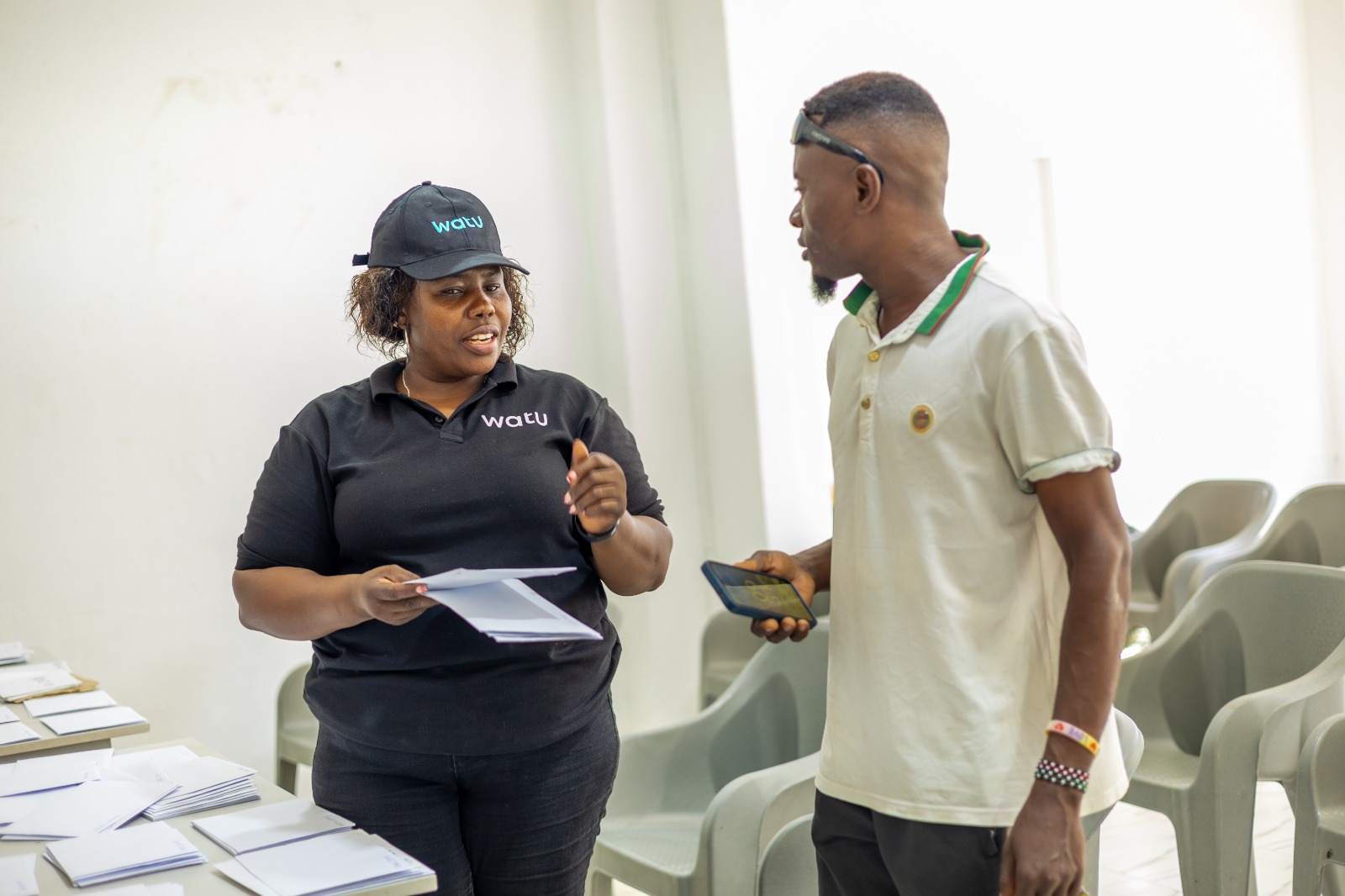
Asset-financing company Watu says it financed more than 80,000 mobility assets and 1.4 million smartphones across its African operations in 2024.
The company says default levels in its asset-backed portfolio remain lower than rates commonly associated with unsecured digital consumer loans.
The expansion reflects a broader recalculation taking place inside Kenya’s credit market.
For much of the past decade, financial inclusion was closely tied to how quickly borrowers could access small loans through mobile devices. Attention is now shifting toward the durability of those lending models and whether the underlying credit is supporting productive activity or recurring financial strain.
Analysts tracking the sector say the next phase of Kenya’s lending market is likely to focus more heavily on repayment sustainability, borrower quality and asset-linked financing structures as digital credit providers confront rising pressure from defaults and regulatory scrutiny.
Go to TECHTRENDSKE.co.ke for more tech and business news from the African continent and across the world.
Follow us on WhatsApp, Telegram, Twitter, and Facebook, or subscribe to our weekly newsletter to ensure you don’t miss out on any future updates. Send tips to editorial@techtrendsmedia.co.ke