Android 17 Adds a Handoff-Style Feature as Google Expands Device Continuity
Continue On arrives as Android tries to build a more connected experience across personal devices

Google is expanding Android beyond the smartphone with Android 17, introducing a wave of consumer-facing features built around AI assistance, tighter privacy controls and task continuity between devices connected to the same Google account.
The software update, presented during Google I/O 2026 developer sessions, places heavy emphasis on cross-device experiences as Android stretches across tablets, watches, TVs, cars and XR hardware. Google is also embedding Gemini-powered features deeper into the operating system, allowing Android to anticipate tasks, surface recommendations and automate actions across apps.
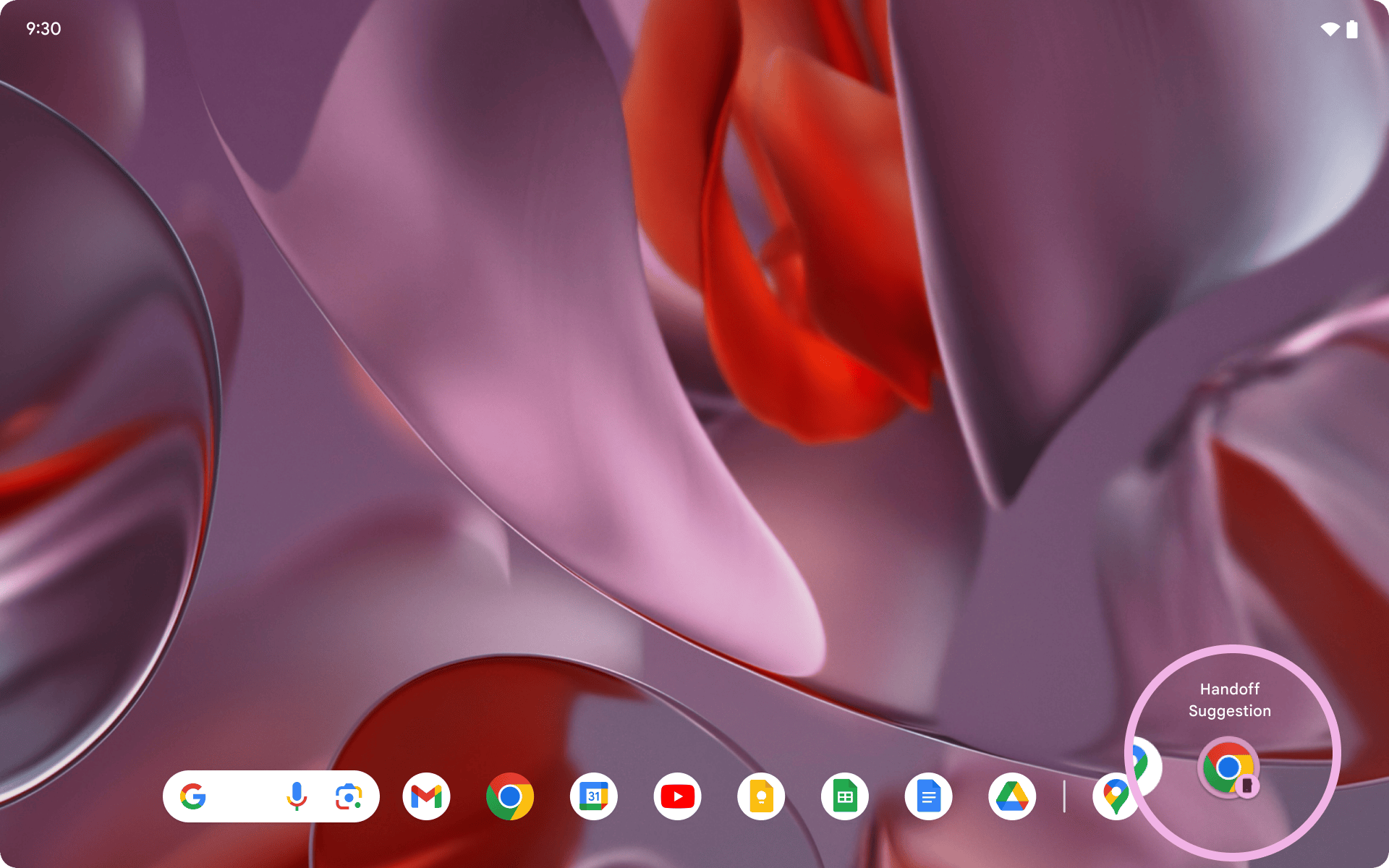
One of the clearest examples is a new Android 17 feature called Continue On, which allows users to move active tasks between Android devices without restarting their workflow. Google says the feature will initially support phones and tablets, with activities appearing across connected devices tied to the same account.
In one demonstration, a document opened on a phone could immediately continue on a tablet through a dock suggestion. Another example showed Gmail activity transferring directly into Chrome on a second device, reopening the same web session. Google says the system is designed to work bidirectionally between supported devices.


The feature represents a broader attempt to tighten continuity inside the Android ecosystem, an area where Apple has historically held an advantage through features like Handoff between iPhones, iPads and Macs. Google’s rollout remains narrower at launch, but it marks one of the company’s clearest efforts yet to create persistent workflows across Android hardware categories.
Artificial intelligence sits underneath many of the changes arriving in Android 17.
Google says Android is increasingly being designed as an “intelligence system,” with Gemini acting as an orchestration layer capable of navigating apps and completing tasks across multiple services. During demonstrations, Gemini retrieved information from apps, moved between interfaces and handled multi-step actions that previously required manual interaction.
Some AI features are directly consumer-facing. Android on Pixel devices can already analyze notification patterns associated with scams in messaging apps and warn users before they respond. Google is also extending Magic Cue, a recommendation and discovery layer that surfaces contextual information from installed apps.
The company is simultaneously pushing more AI processing onto devices themselves.
Android 17 expands support for on-device image and video enhancement tools capable of sharpening older photos, reducing blur and adjusting lighting without relying on cloud processing. Google says the local processing approach allows features to continue functioning offline while reducing infrastructure costs for developers.
Media upgrades extend beyond AI imaging. Android 17 adds support for Eclipsa Video, a newer HDR playback format aimed at improving playback consistency across changing lighting conditions. Google is also updating picture-in-picture capabilities and adding new media libraries intended for video playback, calling and navigation experiences.
Several of the update’s privacy and security changes focus on limiting broad access to sensitive data.
Apps targeting Android 17 will require a dedicated permission to access devices on local networks, including smart home products and casting hardware. Google is also widening the use of narrower permission systems that reduce the amount of information shared with apps.
The contact picker can now provide selected contact fields without exposing an entire address book. Photo Picker gains additional layout support for larger screens, while apps using device output controls can request access to individual hardware targets instead of broad network visibility.
Android 17 also introduces stronger protections around one-time passwords delivered through SMS. Google says certain apps will face delayed access to OTP messages for up to 3 hours, part of a wider effort to reduce credential theft and phishing risks.
At the same time, Google is expanding passkey support through Credential Manager, including tools that help existing password users transition toward passkeys tied to verified phone numbers or email addresses.
Much of the platform redesign is tied to Android’s growing multidevice footprint.
Google says Android now reaches more than 580 million large-screen users globally, increasing pressure on developers to support adaptive layouts across foldables, tablets and desktop-style environments. Wear OS 7 is also receiving tighter integration with phones, including expanded media controls and battery optimizations Google says can improve battery life by up to 10%.
Widgets are spreading into more categories as well. Google plans to bring widget support into compatible vehicles, while Android XR development continues expanding into display glasses and immersive headsets.
Underneath the consumer-facing features, Android 17 also introduces deeper system-level controls around memory usage, background activity and graphics processing. Google is increasing reliance on Vulkan graphics technologies and adding stricter memory management rules intended to prevent poorly optimized apps from degrading device performance.
Taken together, the update reflects Google’s broader attempt to turn Android into a more continuous computing environment where apps, AI systems and devices operate less as isolated endpoints and more as connected layers inside a single ecosystem.
Go to TECHTRENDSKE.co.ke for more tech and business news from the African continent and across the world.
Follow us on WhatsApp, Telegram, Twitter, and Facebook, or subscribe to our weekly newsletter to ensure you don’t miss out on any future updates. Send tips to editorial@techtrendsmedia.co.ke