

WhatsApp Is Becoming the Shopfront for Many Women Across African Cities
The WhatsApp Status update is turning into a low-cost storefront for women running informal businesses across African markets

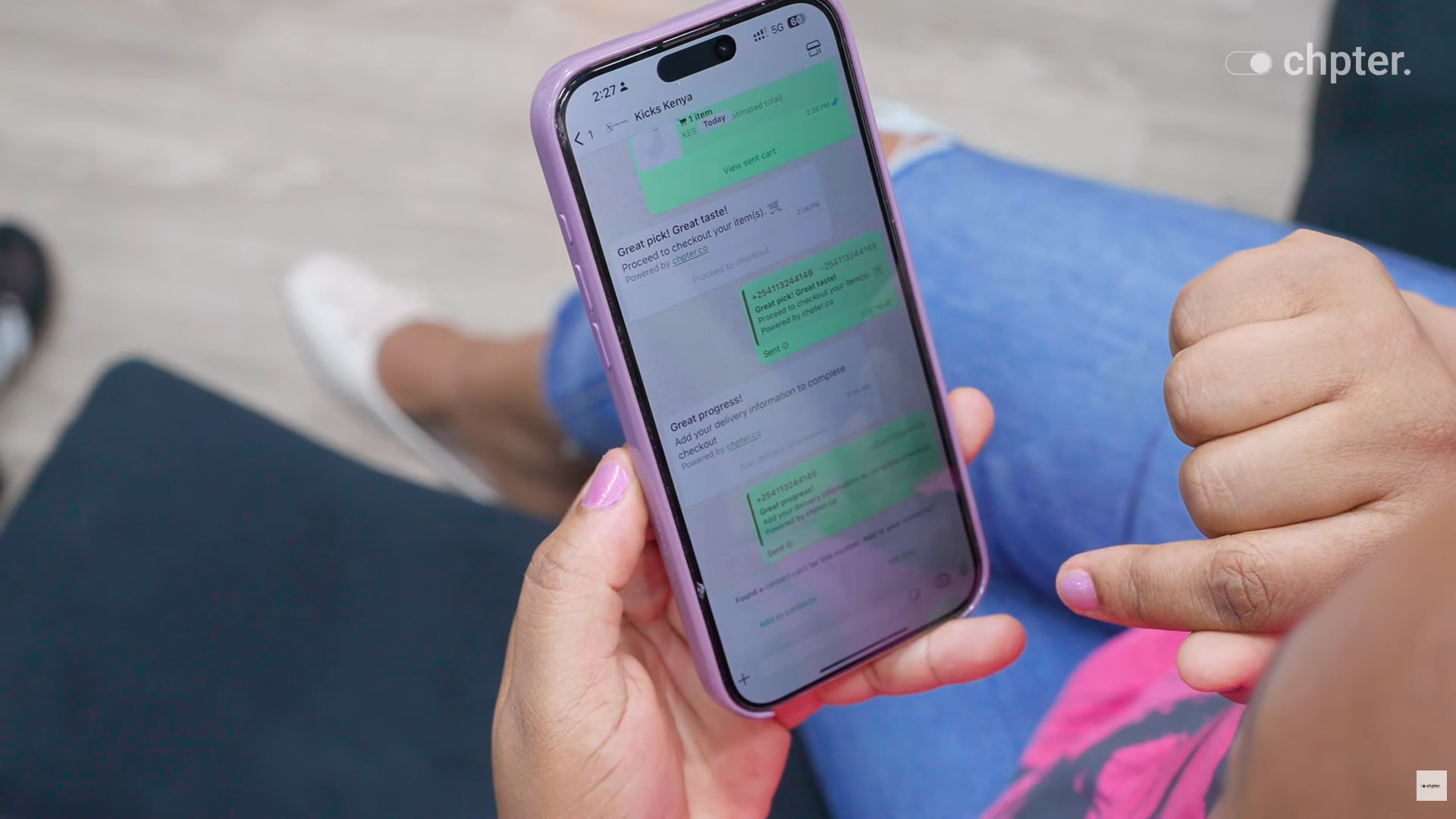
Across Kenya and Nigeria, many small businesses no longer begin with a website, a storefront, or even a marketplace listing. They begin with a phone contact, a WhatsApp Status update, and a trusted network already built through family, community, and repeat customers.
New research examining women’s livelihoods across Kenya, Nigeria, India, and Pakistan estimates that nearly 90 million women use WhatsApp to support income-generating activity. In the African markets studied, the app increasingly functions as operational infrastructure for informal commerce rather than a simple messaging service.
The findings point to a broader reality across African digital economies. Commercial activity is consolidating inside conversational platforms where communication, customer service, marketing, and coordination happen simultaneously. The report, based on nationally representative surveys and follow-on interviews conducted in 2025, found that 94% of internet-connected smartphone users across the surveyed countries had WhatsApp installed. For many African entrepreneurs, particularly women operating in informal or home-based sectors, that ubiquity removes the need for dedicated digital storefronts.
Business activity is moving into chat-based environments
In Kenya and Nigeria, women interviewed for the study described using WhatsApp for product marketing, order coordination, referrals, customer follow-up, supplier communication, tutoring, beauty services, tailoring, food sales, and mobile money agency work. The strongest commercial activity appeared in Nigeria. Among self-employed adults, 58% of Nigerian women and 65% of Nigerian men reported using WhatsApp to support livelihood activities.


Kenya showed lower smartphone ownership among self-employed women compared to India and Nigeria, but still recorded substantial use of the platform for income generation.
WhatsApp Status is functioning like an informal storefront
One of the clearest patterns in the research was the commercial role of WhatsApp Status updates. Women described posting stock availability, pricing, completed work, promotions, and service updates through Status rather than formal commerce tools.
That behavior effectively turns WhatsApp into a lightweight retail environment built around social proximity and repeated interaction. The system works differently from conventional e-commerce platforms. Discovery is not driven primarily by search or recommendation algorithms. Instead, visibility moves through existing social graphs, referrals, and community trust.
The report repeatedly identifies trust as central to participation in social commerce, especially for women managing customer relationships in informal markets. Offline reputation still shapes online transactions. Familiarity remains part of the payment and purchasing process.
Access alone is not producing economic participation
A major argument running through the study is that connectivity by itself does not guarantee economic benefit. Researchers distinguish between “access” and “effective use.”
The difference is operational. A user who occasionally responds to messages is treated differently from someone using Status updates for sales, groups for customer acquisition, and broadcast lists for promotions. The report argues that the second category reflects meaningful economic integration rather than passive platform use.
That distinction is especially relevant in African markets where digital inclusion policies often focus heavily on connectivity targets while underestimating digital confidence, literacy, device quality, affordability, safety concerns, and time constraints.
The study found that smartphone ownership remains a major barrier for lower-income women seeking to participate in WhatsApp-based commerce.
Shared devices and unstable connectivity are shaping digital commerce
The research also highlights how African entrepreneurs are adapting commercial behavior around infrastructure limitations. Roughly 30% of qualitative participants in Kenya and Nigeria reported using shared phones.
That detail changes assumptions about how digital business operates in emerging markets. Many platform models are designed around persistent connectivity, uninterrupted device access, stable broadband, and private ownership. The women interviewed often operated under very different conditions involving intermittent internet access, limited data bundles, charging constraints, and shared family devices.
Despite those limitations, WhatsApp remained deeply embedded in commercial activity because it aligned with existing communication patterns and low-cost mobile usage habits. The report notes that women frequently integrated business activity into everyday domestic routines rather than separating online work from daily life.
WhatsApp groups are becoming economic coordination systems
Another notable finding is the expanding role of WhatsApp groups beyond communication. Participants described groups being used for peer learning, sourcing information, referrals, mentorship, customer acquisition, and skills exchange.
In practice, many of these groups function like informal trade associations or micro-business communities. That structure mirrors older forms of African commercial organization built around market networks, savings groups, community associations, and cooperative relationships. The technology layer is new, but the trust architecture remains familiar.
The report also found that women actively modified participation patterns to manage harassment, fraud, and unwanted contact. Instead of abandoning the platform, users often relied on moderated groups, peer recommendations, and women-centered networks to reduce risk.
AI tools are beginning to enter informal commerce
The study identified early adoption of AI-related features among some users, particularly for communication support and business messaging.
Researchers caution that these capabilities remain unevenly distributed. Women with better smartphones, stronger literacy, higher incomes, and greater digital familiarity were more likely to experiment with advanced platform features. That creates the possibility that AI integration inside messaging systems could widen productivity gaps between users already operating at different levels of digital capability.
The broader implication for African digital markets
The report ultimately documents a structural change in how small-scale commerce operates across parts of Africa. For many users, the commercial internet is no longer experienced primarily through websites or formal marketplaces.
It is experienced through conversation.
Customer support, marketing, trust-building, payments coordination, and repeat business are increasingly compressed into a single messaging environment already embedded in everyday social life.
Go to TECHTRENDSKE.co.ke for more tech and business news from the African continent and across the world.
Follow us on WhatsApp, Telegram, Twitter, and Facebook, or subscribe to our weekly newsletter to ensure you don’t miss out on any future updates. Send tips to editorial@techtrendsmedia.co.ke