
Safaricom Is Working Behind the Scenes to Keep Telecom Towers Running During Fuel Pressure
Safaricom says it is coordinating with oil marketers to avoid operational disruptions at telecom sites

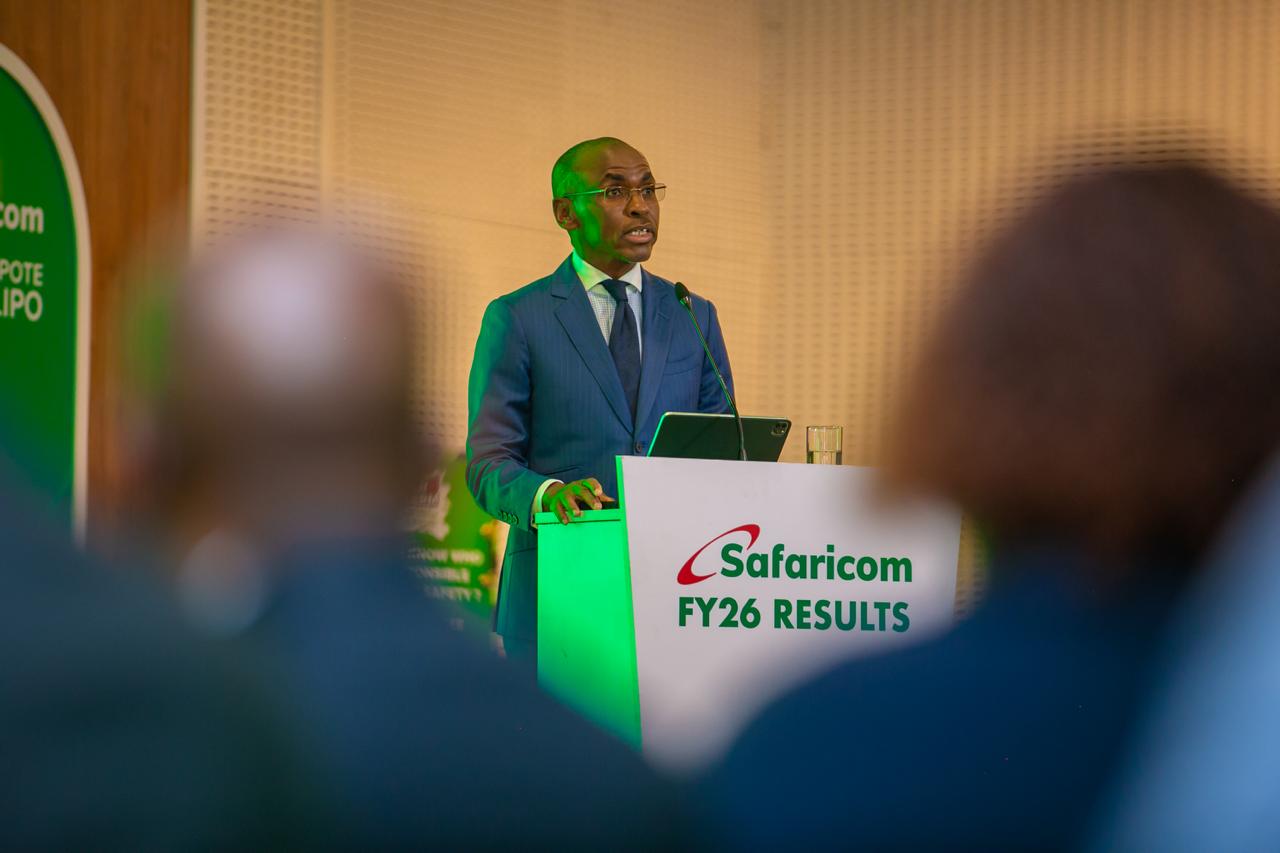
Fuel availability has become an operational concern for Safaricom Plc as pressure builds within Kenya’s petroleum distribution chain following instability tied to the conflict involving Iran.
The telecommunications operator says it has entered supply arrangements with selected oil marketers to reduce the risk of interruptions across its mobile network infrastructure. The company depends on backup power systems spread across thousands of sites that support voice traffic, internet connectivity and mobile financial services.
Chief financial officer Dilip Pal said the operator was focused on maintaining adequate fuel volumes for network continuity because telecommunications services fall under protected national infrastructure categories.
“We are working with some oil marketing companies to see that we are able to get the quantity that we need,” Dilip said.

Safaricom’s latest annual results show the company operated 24,479 base stations in Kenya by March 2026. That footprint included 7,540 2G sites, 7,536 3G stations, 7,524 4G installations and 1,879 5G towers.
The issue extends beyond ordinary fuel consumption. Mobile towers require continuous power support to remain active during electricity interruptions, especially in remote areas and high-demand urban corridors. Diesel generators therefore sit at the centre of telecom resilience planning whenever supply risks emerge in the energy market.
Ministry of Energy and Petroleum recently acknowledged temporary shortages affecting sections of the retail fuel market. The ministry linked the disruptions to bottlenecks affecting some downstream petroleum operators.
Authorities had earlier approved a temporary adjustment to sulphur specifications for imported diesel and petrol products. Officials said the measure was intended to stabilise fuel inflows as supply routes connected to the Middle East faced pressure, including around the Strait of Hormuz shipping corridor.
Safaricom says the position in Ethiopia differs because most of its infrastructure there runs directly on grid electricity rather than generator backup systems. The company estimates that about 98 percent of its Ethiopian network sites are powered through the national electricity network.
Safaricom Ethiopia ended the financial year with 3,504 base stations after recording 18.3 percent growth in network sites over the previous year.
The contrast between the Kenyan and Ethiopian operations reflects how power infrastructure shapes telecom operating costs and contingency planning across African markets.
Go to TECHTRENDSKE.co.ke for more tech and business news from the African continent and across the world.
Follow us on WhatsApp, Telegram, Twitter, and Facebook, or subscribe to our weekly newsletter to ensure you don’t miss out on any future updates. Send tips to editorial@techtrendsmedia.co.ke


