

Kaspersky Expands Crisis Simulation Platform With AI Fraud and Supply Chain Scenarios
The updated KIPS training tool now mirrors active attack campaigns targeting IT organisations, including AI-generated executive fraud and destructive wiper malware.

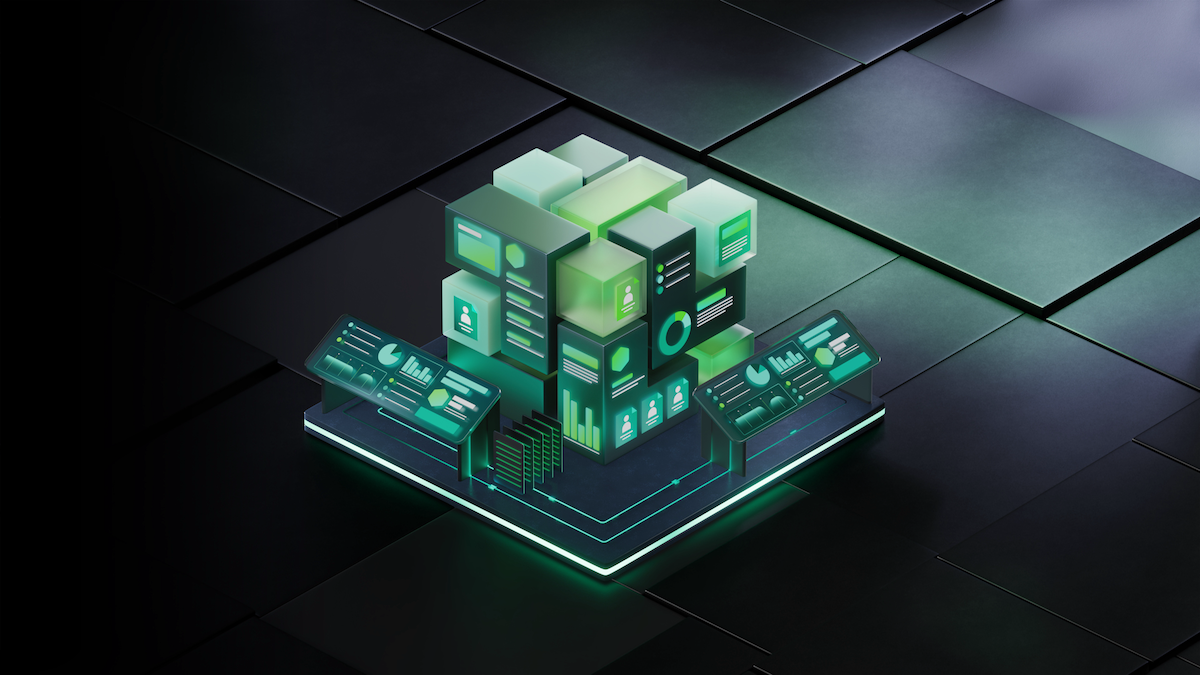
Kaspersky has expanded its Interactive Protection Simulation (KIPS) platform with four new cyberattack scenarios built specifically for IT sector organisations, as the security vendor moves to keep its crisis training tool current with a threat environment shaped by deepfake fraud, supply chain infiltration, and destructive ransomware.
The update targets a persistent structural weakness in enterprise security: the coordination gap between technical teams and executive leadership when an attack is live. KIPS places cross-functional groups – CISOs, IT staff, and senior management together – inside realistic crisis scenarios, forcing real-time decision-making and generating post-session analytics on team coordination, response quality, and benchmarking against prior cohorts.
IT companies are among the most consistently targeted verticals for sophisticated threat actors, and the new scenarios reflect attack techniques that Kaspersky researchers say are being observed in active campaigns against the sector.
One scenario simulates a supply chain compromise in which software is tampered with during the signing, packaging, or distribution stage. Once a customer deploys the affected product, the attacker gains persistent remote access and the ability to move downstream into the vendor’s own client base, a chain-of-trust failure that has defined some of the most damaging breaches of recent years.

A second scenario, labelled DeepFake Boss, puts participants against an AI-generated video and voice impersonation of a senior executive deployed to manipulate finance teams into authorising fraudulent payments, a direct simulation of the growing use of synthetic media in business fraud.
The remaining two scenarios cover a trusted relationship attack exploiting third-party contractor access through remote connectivity tools, and a wiper malware incident based on leaked Babuk ransomware code. In the Babuk scenario, participants who fail to contain the attack within the allotted time face full data encryption and a mandatory system rebuild, removing any partial-credit outcome.
KIPS runs in live format for up to 100 participants or online for groups of up to 1,000, with organisations now able to choose between two dedicated IT-sector scenario tracks. Svetlana Kalashnikova, Security Awareness expert at Kaspersky, said the expansion reflects the company’s position that tooling investment alone cannot deliver resilience.
“Cyber resilience depends on awareness, coordination and the ability to respond effectively under pressure,” she said. “By transforming complex threats into practical learning experiences, we empower companies to build stronger, more resilient security cultures.”
Go to TECHTRENDSKE.co.ke for more tech and business news from the African continent and across the world.
Follow us on WhatsApp, Telegram, Twitter, and Facebook, or subscribe to our weekly newsletter to ensure you don’t miss out on any future updates. Send tips to editorial@techtrendsmedia.co.ke


