

Vivo V70 FE Moves at Its Own Pace, Anchored by Battery Life
In the Vivo V70 FE, software and interface refinements carry over from the broader V series

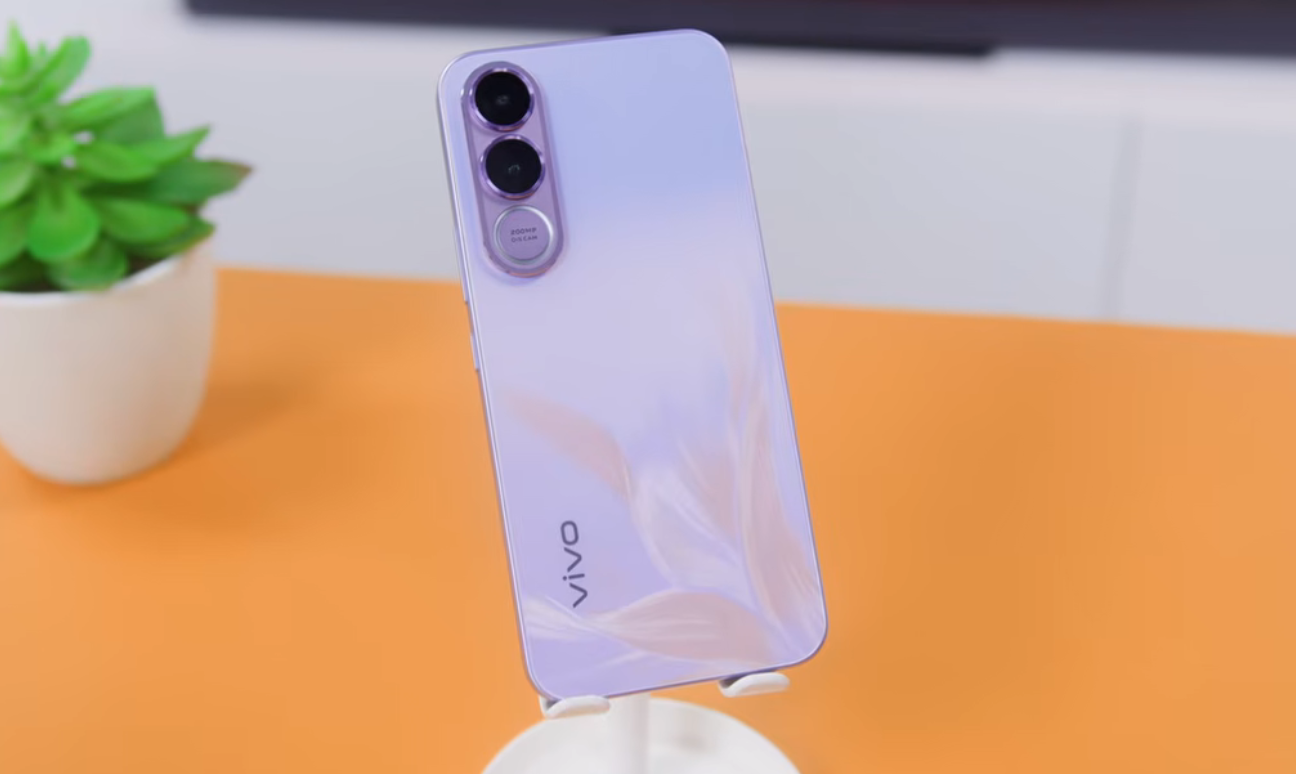
The vivo V70 FE is built around battery life, display size, and steady everyday performance. It features a 7000mAh battery, a 6.83-inch AMOLED panel, and a 200MP main camera.
The vivo V70, positioned above it, takes a different approach with a stronger Snapdragon chipset, a more flexible camera system that includes telephoto zoom, and higher-end materials.
The distinction is immediate in use.
The FE extends runtime and media comfort, while the V70 delivers greater performance stability and imaging consistency.

Design choices show where costs are managed
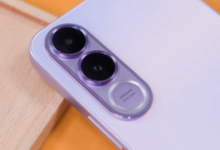
The V70 FE follows a different visual direction, closer to earlier V-series models, with a vertical camera layout. The V70 adopts a newer circular module influenced by vivo’s flagship line.
Materials define the gap. The V70 uses an aluminum frame and glass, while the FE moves to plastic on both frame and back. In hand, the FE feels solid but less refined.
Size also changes the experience. At 200g, the FE is larger and heavier, with curved edges that emphasize screen immersion. The V70 is slimmer, lighter at 187g, and easier to handle.
Both devices retain IP68 and IP69 protection, extending durability beyond typical midrange standards.
Display behavior differs under real conditions
On paper, the V70 FE lists higher brightness. In testing, the V70 produces stronger peak output, reaching up to 2605 nits in small highlights. The FE reaches around 1890 nits in similar conditions.
Manual brightness is where the difference becomes noticeable. The FE’s 617-nit output struggles outdoors unless auto mode is enabled.
Both panels support 120Hz refresh rates and dynamic switching between 60Hz, 90Hz, and 120Hz. The FE adds a 30Hz state for always-on display to conserve power.
Biometric hardware also diverges. The V70 uses an ultrasonic fingerprint sensor, while the FE relies on an optical solution. Both remain responsive in daily use.
Performance gap reflects chipset and storage
The V70 runs on the Snapdragon 7 Gen 4 platform with faster UFS 4.1 storage. The FE uses the Dimensity 7360 Turbo with UFS 3.1.
In practical terms:
- The V70 sustains higher performance in gaming and multitasking
- The FE maintains smooth general use but reaches limits earlier
Thermal behavior is stable on both devices. Neither shows aggressive throttling, though the FE operates within a lower performance ceiling.
Camera system defines the separation
The V70 includes a 50MP main sensor, an ultrawide lens, and a 50MP periscope telephoto with 3x optical zoom. That setup supports consistent zoom and more flexible framing.
The V70 FE centers on a 200MP main camera and removes the telephoto entirely. Zoom is handled digitally, which reduces reliability as magnification increases.
Front cameras also differ. The V70 uses a 50MP sensor with autofocus. The FE uses a 32MP fixed-focus unit.
Both support 4K recording, though neither introduces advanced video features such as HDR capture.
Battery and audio tilt in favor of the FE
Battery life is where the FE establishes its identity. Its 7000mAh capacity delivers an active use score of 20:41 hours, compared to 16:52 hours on the V70.
Charging remains close despite the size difference:
- V70 reaches full charge in about 52 minutes
- V70 FE takes around 62 minutes
Audio is another area where the FE performs well. It uses two full speakers, producing louder and more balanced output. The V70 relies on an amplified earpiece for stereo, which reduces depth.
Where each device fits
The V70 FE specification sheet shows a phone designed around endurance, display size, and consistent daily use. It limits performance and camera flexibility to achieve that.
The V70 takes the opposite route. It prioritizes processing strength, imaging range, and material quality.
The choice is direct. One extends usage time. The other expands capability.
Full vivo V70 FE specification sheet
| Category | Specification |
|---|---|
| Display | 6.83-inch AMOLED, 120Hz, HDR10+, 1260 × 2800 resolution |
| Brightness | Up to 1900 nits (auto mode), ~617 nits manual |
| Chipset | MediaTek Dimensity 7360 Turbo (4nm) |
| CPU | Octa-core (4× Cortex-A78 + 4× Cortex-A55) |
| GPU | Mali-G615 MC2 |
| RAM | 8GB / 12GB LPDDR5 |
| Storage | 256GB / 512GB UFS 3.1 |
| OS | Android 16 with OriginOS 6 |
| Main Camera | 200MP, f/1.9, OIS |
| Ultrawide Camera | 8MP, 120° |
| Front Camera | 32MP |
| Video | 4K (rear and front), no HDR video |
| Battery | 7000mAh |
| Charging | 90W wired (≈62 minutes full charge) |
| Build | Glass front, plastic frame, plastic back |
| Water Resistance | IP68/IP69 (up to 1.5m for 2 hours) |
| Fingerprint Sensor | Optical, under display |
| Audio | Dual stereo speakers (top + bottom) |
| Connectivity | 5G, Wi-Fi 6, Bluetooth 5.4, NFC, USB-C |
| Dimensions | 163.7 × 76.2 × 7.6 mm |
| Weight | 200g |
Go to TECHTRENDSKE.co.ke for more tech and business news from the African continent and across the world.
Follow us on WhatsApp, Telegram, Twitter, and Facebook, or subscribe to our weekly newsletter to ensure you don’t miss out on any future updates. Send tips to editorial@techtrendsmedia.co.ke


