A Cable Touches Tunisia and the Balance Tilts: Medusa’s First African Landing and What It Sets in Motion
This new link shows how infrastructure, economics, and geography are still inseparable in telecom growth

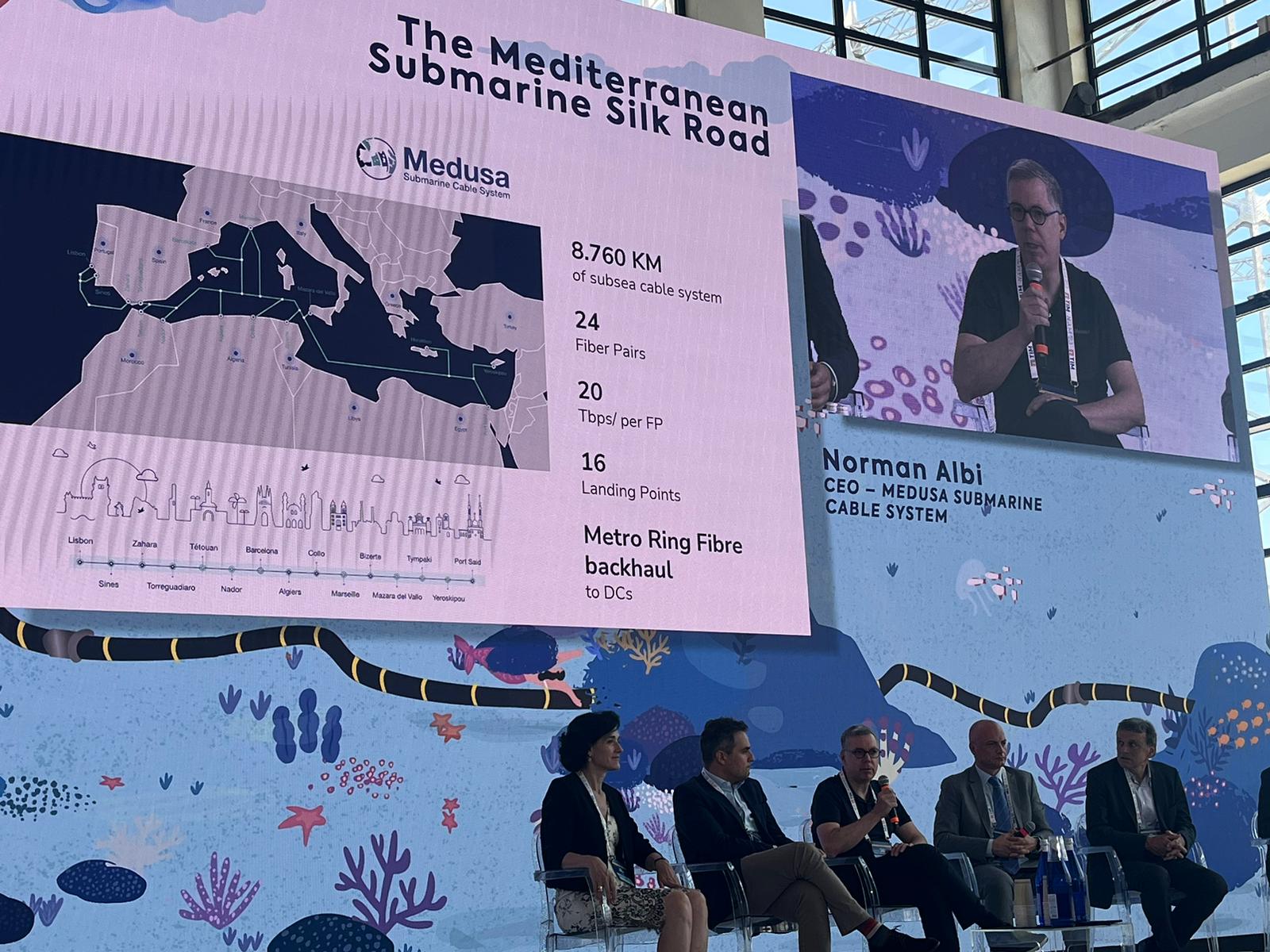
The Medusa submarine cable has reached African shores for the first time, landing in the Tunisian port city of Bizerte after departing Marseille. It is a 1,050-kilometre stretch beneath the Mediterranean, but its meaning runs deeper than its length. The project, funded in part through the European Union’s Connecting Europe Facility, connects not only two coasts but two stages of digital ambition.
This first segment marks the beginning of a much longer route that will eventually connect several North African and Southern European countries. The goal is to improve resilience, expand international bandwidth, and reduce the bottlenecks that still shape data flows between the continents.
France to Tunisia: More Than a Landing
Orange is operating the landing infrastructure in France, Tunisia, and Morocco. Its Tunisian partner, Tunisie Telecom, joined the system in February, becoming a key player in this initial leg between Marseille and Bizerte. For Tunisia, it is an investment that places the country more firmly on the map of regional connectivity — a position that can draw data traffic, cloud operators, and infrastructure investors toward its shores.
Each fibre pair on Medusa’s route carries over 20 terabits per second, a scale of capacity that once belonged only to larger intercontinental systems. The addition strengthens both Orange Tunisia and Tunisie Telecom’s international bandwidth, which in turn underpins everything from streaming traffic to enterprise networks.

The Broader Pattern of Cable Politics
Submarine cables are no longer just engineering projects. They are political and economic instruments, carrying implications for sovereignty, trade, and security. Each landing point can alter how data flows, who controls it, and who profits from it. That’s partly why the EU backed Medusa through its CEF programme: it offers a network that supports both economic development and digital autonomy.
For North African partners, participation provides leverage. It allows them to negotiate bandwidth pricing, expand domestic internet infrastructure, and attract data-driven industries. For Europe, it builds redundancy and stabilises a network architecture increasingly viewed through a geopolitical lens.

Tunisia’s Digital Crossroads
Tunisia has spent the past decade balancing between its established telecom sector and newer technology entrants. While broadband penetration and speeds have improved, international bandwidth costs have remained relatively high compared with peers. Medusa could alter that equation. By adding a direct high-capacity route to France, it lowers dependence on intermediary transit points and shortens data travel times.
There’s also the question of what comes next. Once operational next year, Medusa’s African reach is expected to extend west toward Morocco and south along other planned links. That would create one of the Mediterranean’s most extensive fibre corridors, connecting national operators that historically relied on older, more fragmented infrastructure.
Reading the Future Currents
When viewed as a network story, Medusa isn’t only about Tunisia’s connection to Europe. It’s about how infrastructure projects of this kind redefine relationships. They determine which countries serve as digital gateways and which remain endpoints. They shape where data centres are built, where cloud providers expand, and where policy conversations about digital sovereignty begin to converge.
If the cable performs as planned, Tunisia could see new opportunities in hosting, fintech, and regional interconnection. But it will depend on policy, regulation, and continued investment in domestic networks. Undersea cables may open the door — the harder work is building what follows on land.
Go to TECHTRENDSKE.co.ke for more tech and business news from the African continent.
Follow us on WhatsApp, Telegram, Twitter, and Facebook, or subscribe to our weekly newsletter to ensure you don’t miss out on any future updates. Send tips to editorial@techtrendsmedia.co.ke