
How Samsung Is Framing AI as a Practical Tool, Not a Luxury
Samsung isn’t selling AI as a status upgrade. It’s trying to show how the technology fits into everyday use rather than something reserved for people with money or access

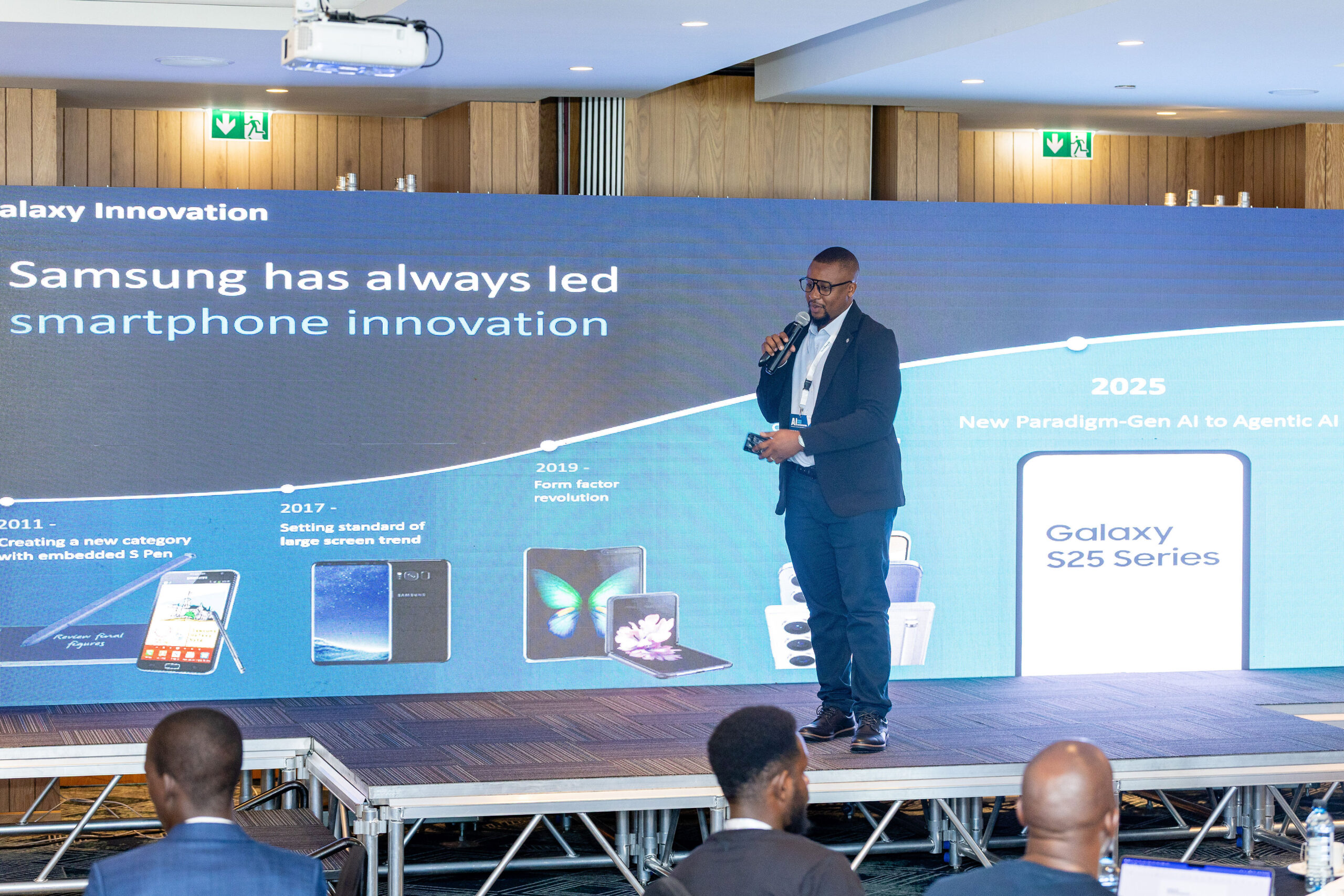
At the recently concluded TechTrends AI Forum in Nairobi, Ryan Mule, Product Manager at Samsung Electronics East Africa, opened his session by grounding AI in the everyday device rather than the abstract future.

His focus was on how productivity is shifting from desktops to mobile tools powered by embedded intelligence.
He walked the audience through Samsung’s Knox Suite and the company’s AI features that handle security, workflows and cross-device coordination.
His message was less about technical demos and more about behavioural change. In his view, the bigger shift has already happened. People are no longer asking whether they should use AI. The new question is why they are not using it yet. He framed AI not as a distant upgrade but as something already sitting in people’s pockets.

He also pointed to the speed of change as both a challenge and an invitation. AI moves quickly and staying informed can feel like work even for tech-savvy users. His response to that pressure was not to slow down the pace, but to encourage people to start somewhere. That might mean trying a single tool, testing a feature on their phone, or browsing tutorials at their own pace. Curiosity, he said, is more valuable than mastery at the beginning.
Samsung’s Ecosystem Strategy
His remarks connected with Samsung’s broader direction. The company received recognition at the forum for connected ecosystem leadership, reflecting its push to link devices, services and developer platforms rather than sell isolated products. The focus is shifting toward continuity across phones, wearables, tablets and home technology.

That strategy now extends beyond flagship models. Samsung’s A Series devices are being positioned as affordable entry points into the larger Galaxy ecosystem. Features once limited to high-end phones — SmartThings integration, Galaxy Watch syncing, cross-device task flow — are now available to users who pay midrange prices. The intent is to make the ecosystem accessible, not aspirational.
Insights from the Panel on AI Transformation, Access and Inclusion
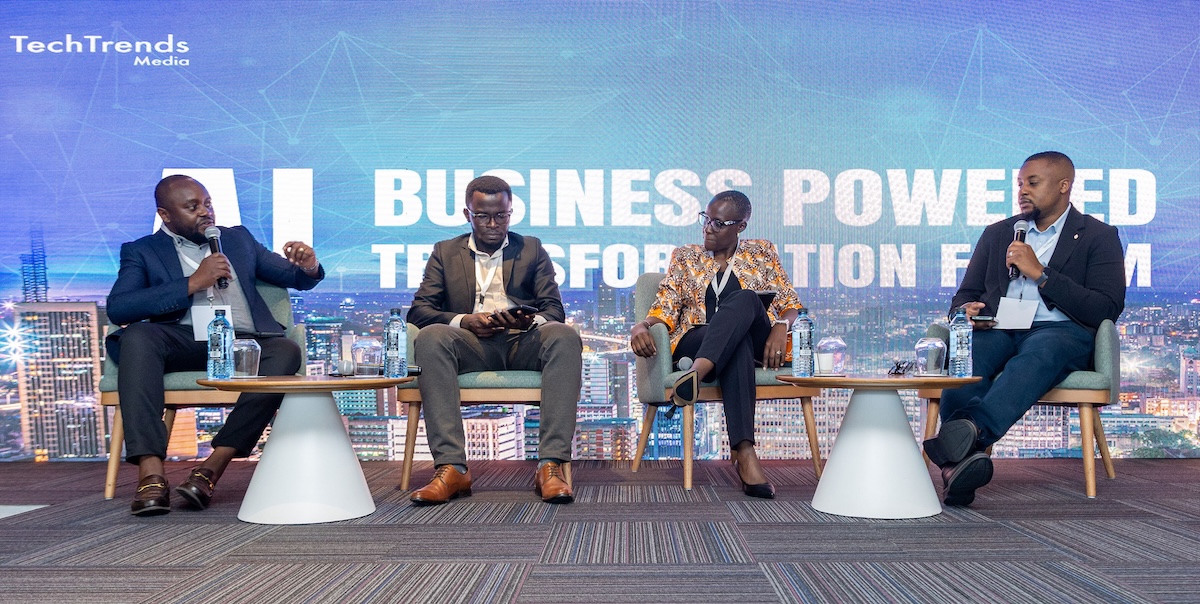
Ryan’s comments from the main panel echoed the themes he introduced earlier. He linked productivity to access and access to mindset. If people wait until they understand everything, they will not begin at all. He cited fellow panelist Annepeace Alwala’s point that the first step is simply to start. The learning curve can be gradual. People can pick one platform, one feature, one workflow. Articles, podcasts, tutorials and events offer enough pathways for self-directed learning.
He positioned exploration as an ongoing process rather than a fixed goal. Open-source communities, online resources and events like the forum give users room to test and adjust without having to commit upfront to expertise.
The discussion also returned to scale. AI cannot belong to a small group of professionals if it is to influence national growth. Access depends on both tools and attitudes. Phones that support AI features at lower price points push adoption forward, but confidence and curiosity drive actual use.
The session and panel combined to show how the conversation is shifting. Productivity is becoming mobile, ecosystems are becoming more open, and adoption is being framed as a decision rather than a prediction.
Go to TECHTRENDSKE.co.ke for more tech and business news from the African continent.
Mark your calendars! The GreenShift Sustainability Forum is back in Nairobi this November. Join innovators, policymakers & sustainability leaders for a breakfast forum as we explore sustainable solutions shaping the continent’s future. Limited slots – Register now – here. Email info@techtrendsmedia.co.ke for partnership requests.
Follow us on WhatsApp, Telegram, Twitter, and Facebook, or subscribe to our weekly newsletter to ensure you don’t miss out on any future updates. Send tips to editorial@techtrendsmedia.co.ke

