A Wave of New Phones Arrives in 2026 as Apple, Samsung, and China’s Heavy Hitters Pull Apart the Edges of the Market
The uneasy truth that the next generation of phones may hinge on decisions that feel risky now but may define the next decade of mobile hardware


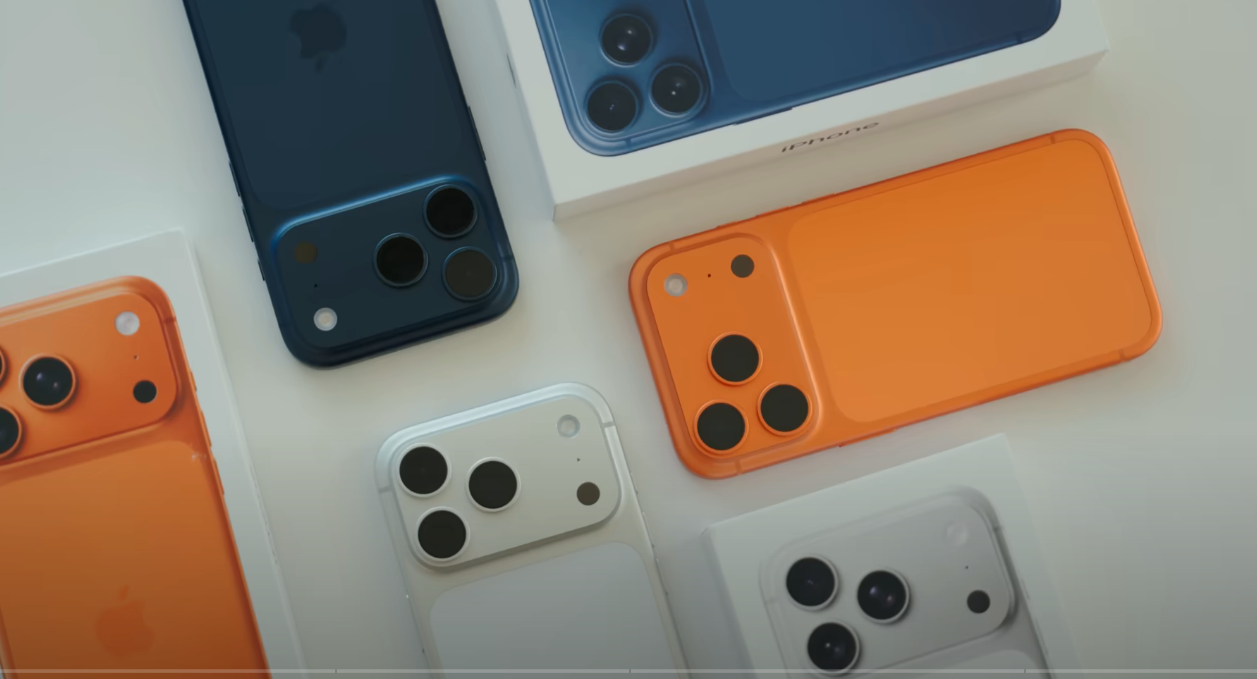
The next wave of smartphones arrives in 2026, but the mood across the industry feels different from the usual cycle of incremental refreshes. The past year delivered structural changes rather than surface-level tweaks, and that momentum has carried into a landscape where every major manufacturer is reconsidering what modern mobility should look like. What emerges is less a race of spec sheets and more a recalibration of design priorities, photography systems, and form factors.

Apple Experiments With Its Calendar and Its Horizons
Apple rarely alters its release cadence, which is why its split 2026 schedule draws attention. The company is preparing a lineup organized around several launch windows instead of a single autumn event. Early in the year, the entry tier receives its update, followed months later by the Pro models and Apple’s long-discussed folding device.
The internal changes are where the story grows richer. Apple appears ready to pursue larger camera sensors, variable apertures, and a sensor architecture sourced beyond its long-time suppliers. The Face ID system may migrate under the display, reducing the visible cutout and allowing the front of the device to feel more open. Each of these steps suggests a broader effort to support future form factors without compromising the recognizable foundation of the iPhone.
The foldable, still unconfirmed but widely reported, hints at a book-style design with a compact outer display and a roomier interior screen. Apple seems to be exploring hinge materials, glass treatments, and structural reinforcements to minimize the crease and maintain durability. If the company succeeds, it could encourage users who have hesitated to adopt foldables to reconsider the category.

Samsung Pushes at Every Edge of the Market
Samsung approaches 2026 with an established rhythm on the slab side and sharper experimentation on the folding side. The next S series is expected to focus on practical refinements, with gains in battery life, imaging hardware, and display efficiency. The company is also weighing the long-term future of its slim variant, which has drawn praise for its design yet carries trade-offs some buyers still debate.
The foldable lineup is where Samsung continues to stretch the boundaries. The Fold 8 is expected to receive a long-awaited battery increase along with display improvements that soften the crease without compromising structural integrity. The Flip 8 faces its own task: improving the outer screen so users can depend on it for routine tasks.
Samsung’s tri-panel concept sits above both. Its demo showed a device that can move from standard phone dimensions to a tablet-like surface through a secondary hinge. The form factor raises questions about weight, thickness, and long-term durability, yet it also demonstrates Samsung’s ambition to redefine how multi-stage folding works.
China’s Performance Tier Leans Hard Into Camera Innovation
Xiaomi, Oppo, and Vivo continue to treat camera hardware as their clearest competitive advantage. Each company is preparing its Ultra-tier models with increasingly complex sensor arrangements, wider image pipelines, and fast-charging systems that push the upper limits of the industry.
Xiaomi is developing a sensor with a broader in-sensor zoom range, seeking to eliminate the quality drops that typically appear at mid-range zoom levels. Vivo is pursuing a dual high-resolution arrangement for its main and telephoto cameras, signaling an attempt to close the gap between mobile zoom systems and the results of dedicated optics. Oppo continues to refine its accessory-ready approach, with detachable modules that appeal to users who enjoy creative control without hauling full photography gear.
These devices also point toward large batteries, higher-density panels, and aggressive chipset adoption. This corner of the market is often the first to reveal features that later find their way into mainstream flagships, making it a bellwether for trends that manufacturers may adopt in 2027 and beyond.
OnePlus and the Question of Pace
OnePlus compressed its schedule by releasing two flagships in the same year. This has created uncertainty about whether the company will sustain that pace or return to a single annual cycle. Its decision to pause work on a new folding device in 2025 frustrated users who valued the hardware strengths of its earlier foldable. If OnePlus returns to that category, it will likely focus on the hinge mechanics and internal architecture that once set it apart.
How 2026 Comes Together
The smartphone landscape of 2026 refuses to settle into predictable patterns. Foldables take on a larger role, camera systems deepen their technical ambitions, and chipmakers are redirecting attention toward efficiency and sustained performance. Even the lower tiers now inherit design language and display features once reserved for models at the top.
Instead of presenting a single defining trend, the year unfolds as a collection of deliberate adjustments that point toward a broader evolution in how manufacturers understand the device at the center of modern life.
Go to TECHTRENDSKE.co.ke for more tech and business news from the African continent.
Follow us on WhatsApp, Telegram, Twitter, and Facebook, or subscribe to our weekly newsletter to ensure you don’t miss out on any future updates. Send tips to editorial@techtrendsmedia.co.ke

