Three in four Kenyans targeted by digital fraud in three months

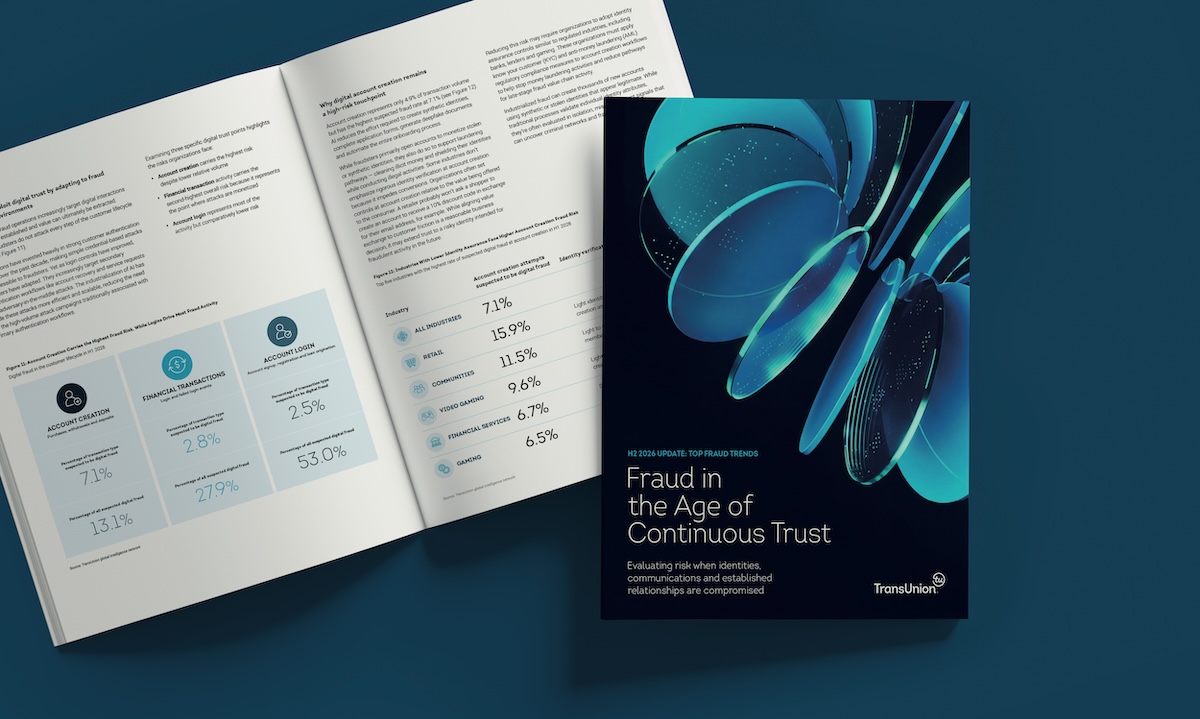
More than three in four Kenyans (77%) say they were targeted by a digital fraud scheme in the past three months, according to credit bureau TransUnion’s H2 2026 Top Fraud Trends Report.

Among those targeted, fraudulent text messages, known as smishing, were the most common scam at 41%. Fraudulent phone calls (vishing) followed at 40%, and phishing through fake emails, websites or social media posts at 39%.
Concern about identity theft now goes beyond financial loss. Three in four Kenyans (75%) said they worry that someone could use their stolen identity to commit a crime, and 42% fear it could be used to get into workplace systems.
When asked which attack methods worried them most, 56% of respondents named personal information exposed in data breaches and another 56% named email phishing. A further 46% cited information being intercepted on public Wi-Fi.


“Trusted communications are often the first stage of account fraud,” said Morris Maina, CEO of TransUnion Kenya.
“Businesses should therefore treat communications as part of the trust journey, rather than simply as marketing or service channels. By connecting communication events with identity, device and account behaviour, organisations can identify elevated risk earlier and take action before fraud results in financial loss.”
Across TransUnion’s Africa clients, 94% of suspected digital fraud in the first half of 2026 happened at account login, compared with 53% globally. TransUnion said this shows how heavily criminals rely on compromised credentials, stolen identities and account takeover.
Financial services had the highest suspected digital fraud rate of any industry analysed, at 3%. TransUnion linked this to the risks of digital banking, mobile money lending and real-time payments.

“Fraud controls should match the risk of each interaction. Strong onboarding remains essential, but higher-risk events such as account recovery, a new SIM card or device, changed contact details or unusual payments may require additional verification and real-time assessment,” said Maina.
TransUnion named AI-enabled adaptive attacks as one of the defining global fraud trends in the report. Globally, 58% of business leaders it surveyed said they are very or extremely concerned that fraud risk is evolving faster than their ability to detect and prevent it.
“AI is not creating new fraud, it’s making existing fraud faster, cheaper, more convincing and dramatically more scalable,” said Maina.
“The future fraudster may not be a criminal syndicate with thousands of members. It may be a small, highly automated operation powered by generative AI.”
The findings come as Kenya deals with growing concern over data security. The government is investigating hacker claims that 740GB of data was stolen from the eCitizen platform, which links Kenyans to thousands of government services.
The Kenyan consumer figures come from TransUnion’s Q2 2026 Consumer Pulse Survey of 462 Kenyans. The Africa login and industry figures are based on data from TransUnion’s clients.
Visit TECHTRENDSKE.co.ke for more tech and business news from across Africa and the world.
Follow us on WhatsApp, Telegram, Twitter, and Facebook, or subscribe to our weekly newsletter so you don’t miss future updates. Send tips to info@techtrendsmedia.co.ke