
The alleged eCitizen breach exposes the risks of concentrating government services and identity data on one platform

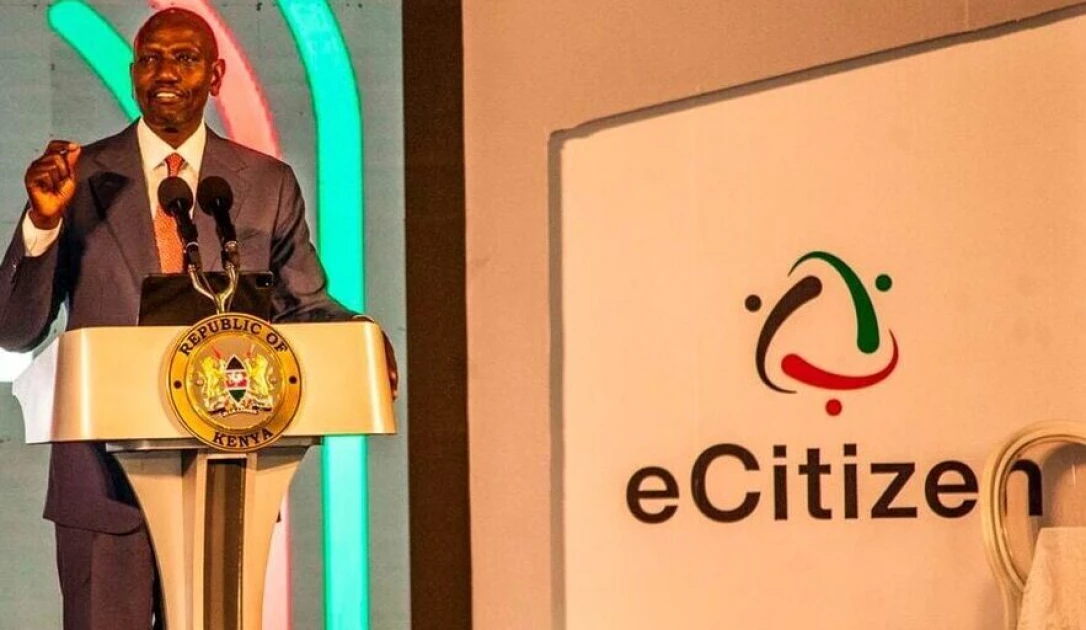
Kenya’s reliance on eCitizen for digital government services has placed a substantial volume of personal information within a shared technology infrastructure. Claims that hackers extracted 740GB of data from the platform, including identity verification documents, have raised concerns about the security of records Kenyans submit to access government services.
The allegations were published by a hacker using the name ByteToBreach on an underground forum on November 22, 2026, at 7:34 PM, according to cybersecurity account VECERT Analyzer. The reported extraction comprises 600GB of Know Your Customer (KYC) documents, 100GB of government database records and 40GB of source code.
The claims also involve eCitizen’s OAuth and single sign-on (SSO) infrastructure, which supports authentication across connected services. Social Health Authority (SHA), Safaricom, the Directorate of Criminal Investigations (DCI) and the National Police Service (NPS) are among the institutions identified in the reporting.
The Ministry of Interior and National Administration acknowledged reports of unauthorised access on November 24, saying technical and security teams were investigating the incident.


Kenya’s growing reliance on eCitizen puts identity records at stake
The alleged extraction of 600GB of KYC documents places identity information at the centre of the incident. These records contain personal identification and verification details submitted by users when accessing digital services.
eCitizen has expanded considerably as the government moves more administrative processes online. According to ICT Cabinet Secretary William Kabogo, the platform grew from 500 government services in 2022 to 24,000 in 2026.
That expansion has brought more public services onto shared digital infrastructure, with citizens using the platform to interact with different government departments and institutions.
The potential exposure of identity documents creates particular concerns because such records can be used to impersonate individuals, support fraudulent applications and facilitate social engineering. Unlike compromised passwords, identification details are difficult to replace, particularly when they involve information tied to a person’s official identity.
TechTrendsKE reported on November 24 that Kenya’s identity fraud rate had fallen 42% between 2025 and 2026, according to identity verification company Sumsub. The same report noted that African identity fraud rates increased 10%, while fraud complexity rose 15%.
Sumsub also reported that 75% of African businesses had experienced confirmed or suspected fraud during the preceding year. The growing use of manipulated images and deepfakes in identity verification adds another dimension to the potential misuse of genuine identification records.
Hackers allege access to 740GB of government data
VECERT Analyzer’s account of the incident describes an alleged intrusion involving a vulnerability in eCitizen’s file-upload functionality. The weakness reportedly allowed attackers to execute their own code on the platform’s servers through a webshell.
A webshell is a malicious script installed on a compromised server that allows an attacker to issue commands remotely. Once deployed, it can provide a means of interacting with the affected system and accessing information available to it.
The alleged extraction consists of three categories of material. The largest is 600GB of KYC documents, followed by 100GB of government database records and 40GB of source code.
VECERT Analyzer also reported that some of the allegedly stolen files carried timestamps ranging from November 14 to November 15, preceding ByteToBreach’s November 22 forum post.
The source-code allegation introduces a separate security concern because application code can contain information about system architecture, authentication processes and software vulnerabilities. Access to such material could provide an attacker with additional knowledge of how the platform operates.
The Ministry said it had launched investigations to establish the extent of the incident and determine how much data may have reached unauthorised parties. The State Department for Immigration and Citizen Services also advised Kenyans to change their eCitizen passwords if they reuse them on other platforms and adopt strong, unique passwords.
It cautioned users against suspicious calls, text messages, emails and links purporting to originate from eCitizen, warning that criminals could exploit the reports to target members of the public.
OAuth and SSO claims raise concerns over connected services
The reported access to eCitizen’s OAuth and single sign-on systems introduces another dimension to the alleged intrusion.
OAuth allows applications to obtain authorised access to resources, while SSO enables users to authenticate once and access multiple connected services. These technologies are commonly used to manage access across applications without requiring separate login credentials for each service.
The institutions named in the reporting include SHA, Safaricom, DCI and NPS. Their inclusion raises concerns about the security of services that rely on eCitizen’s identity and authentication infrastructure.
If authentication systems or associated credentials were compromised, the exposure could extend to access tokens, user sessions and other mechanisms used to establish identity across connected applications. This would have implications for institutions that depend on shared authentication arrangements.
The government has said eCitizen services remain operational and Kenyans can continue accessing government services. It also said it was working with relevant government agencies to respond to the incident.
The State Department has not announced any interruption to the platform’s services, while the investigation continues.
Previous government data breaches put ODPC oversight in focus
The eCitizen allegations follow another significant government data security incident involving the Business Registration Service (BRS).
In an article published on November 17, TechTrendsKE reported that the Office of the Data Protection Commissioner had concluded an investigation into a breach involving records associated with more than two million businesses.
The exposed information included 2,091,046 physical addresses, 832,648 email addresses and 812,863 telephone numbers. The incident also involved information relating to shareholders, company directors and beneficial ownership.
The ODPC issued an enforcement notice requiring BRS to implement corrective measures. The agency subsequently closed the investigation after the institution complied with the required actions, without imposing a financial penalty.
The investigation demonstrated the regulator’s role in examining how public institutions safeguard information collected and maintained through government systems.
An earlier eCitizen incident also provides historical context. In July 2023, then-ICT Cabinet Secretary Eliud Owalo confirmed that the government platform had suffered a cyberattack. Owalo said the government was addressing the incident and maintained that no citizen data had been accessed or lost.
The November 2026 allegations involve a different set of reported technical activities, including possible data extraction and access to authentication infrastructure.
Kenya’s Data Protection Act, 2019, establishes obligations for organisations processing personal information, including requirements relating to data security and the protection of data subjects. The ODPC’s investigation into the BRS incident provides a recent example of how those obligations are being enforced against a public institution.
The Ministry of Interior said it would issue further updates through official channels as investigations progress, while urging the public and media to avoid circulating unverified information.
Visit TECHTRENDSKE.co.ke for more tech and business news from across Africa and the world.
Follow us on WhatsApp, Telegram, Twitter, and Facebook, or subscribe to our weekly newsletter so you don’t miss future updates. Send tips to info@techtrendsmedia.co.ke

