
StanChart Kenya profit rises to Sh10.5bn on fee income, lower provisions

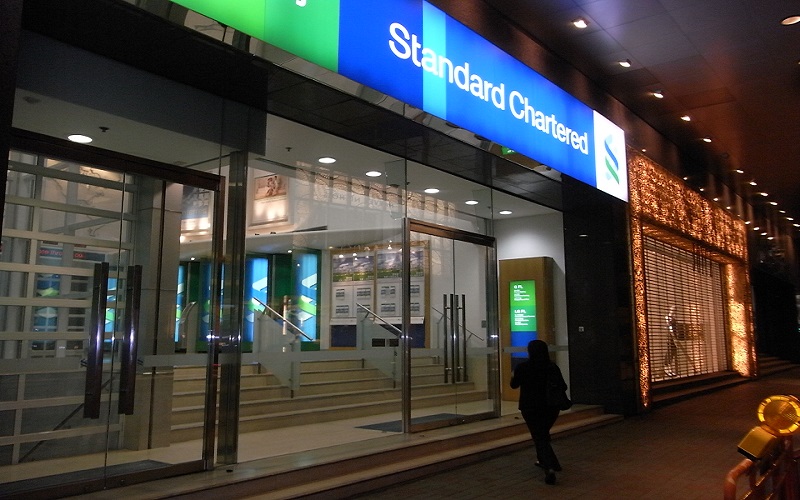
Standard Chartered Bank Kenya grew its net profit by seven percent to Sh10.5 billion in the nine months to September. Growth in wealth and markets income, deep cost cuts and lower loan provisions made up for a sharp fall in interest earnings.
Profit before tax rose 13 percent to Sh14.9 billion, up from Sh13.2 billion in the same period last year. A 27 percent rise in the tax bill to Sh4.3 billion slowed growth at the net level.
Net interest income, the lender’s main revenue line, fell 18 percent to Sh18.2 billion from Sh22.3 billion. Falling interest rates in the market squeezed margins.
The drop pulled total operating income down six percent to Sh30.6 billion, even though non-interest income grew 22 percent to Sh12.4 billion.



“We maintained strong momentum in the first nine months of 2026, delivering 13 percent year-on-year growth in profit before tax to Sh14.9 billion, supported by growth in non-interest income,” said Chief Executive Birju Sanghrajka.
The bank cut operating expenses by 14 percent to Sh15 billion, which helped protect its bottom line.
Loan impairment charges fell 62 percent to Sh670 million from Sh1.7 billion, as the lender recovered more bad debts and asset quality improved.
Its non-performing loan ratio improved to 4.7 percent, from six percent previously.
Assets under management in the wealth unit grew 19 percent from December to Sh361 billion.
“This performance demonstrates the strength of our client franchise, differentiated cross-border network and market-leading wealth capabilities,” Mr Sanghrajka said.
Net loans and advances to customers rose 16 percent to Sh179.6 billion. Customer deposits grew 18 percent to Sh335.1 billion, mainly from corporate clients.
Earnings per share rose to Sh27.48 from Sh25.57.
The bank’s total capital ratio fell to 18.1 percent from 20.41 percent in December. That is still above the regulatory minimum of 14.5 percent.
Its liquidity ratio stood at 61.75 percent, against a statutory floor of 20 percent.
Mr Sanghrajka said Kenya’s economy remains broadly stable, supported by a steady shilling and lower interest rates. He added that rising inflation and global geopolitical tensions remain risks.
Visit TECHTRENDSKE.co.ke for more tech and business news from across Africa and the world.
Follow us on WhatsApp, Telegram, Twitter, and Facebook, or subscribe to our weekly newsletter so you don’t miss future updates. Send tips to info@techtrendsmedia.co.ke

