
More ways to pay, fewer checkout hurdles: What LOOP Biz PDQ brings to Kenyan businesses

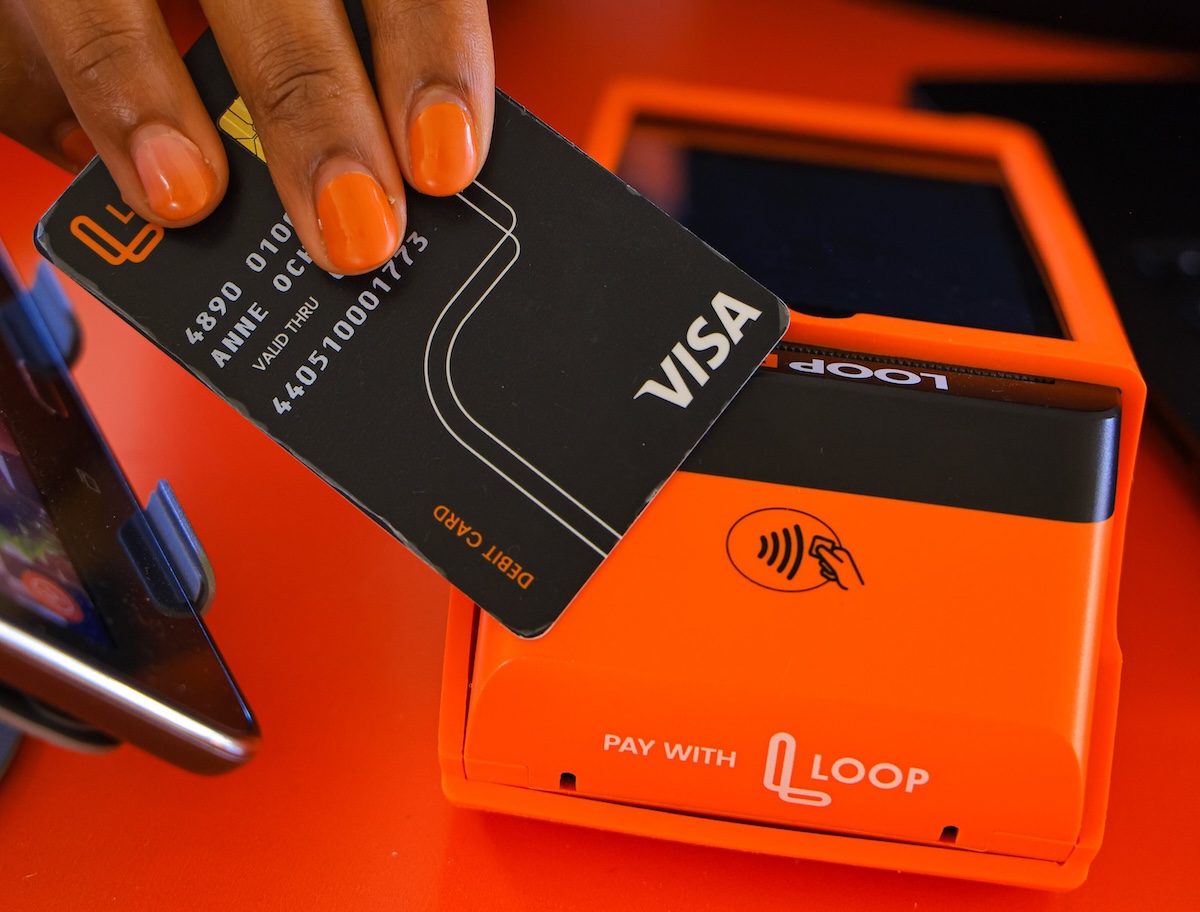
A customer reaches the counter, confirms what they want to buy and prepares to pay. Some prefer using a debit or credit card, others choose M-PESA, while LOOP users have another option. For merchants serving customers with different payment preferences, having a straightforward way to accept these transactions can make the checkout process easier to manage.
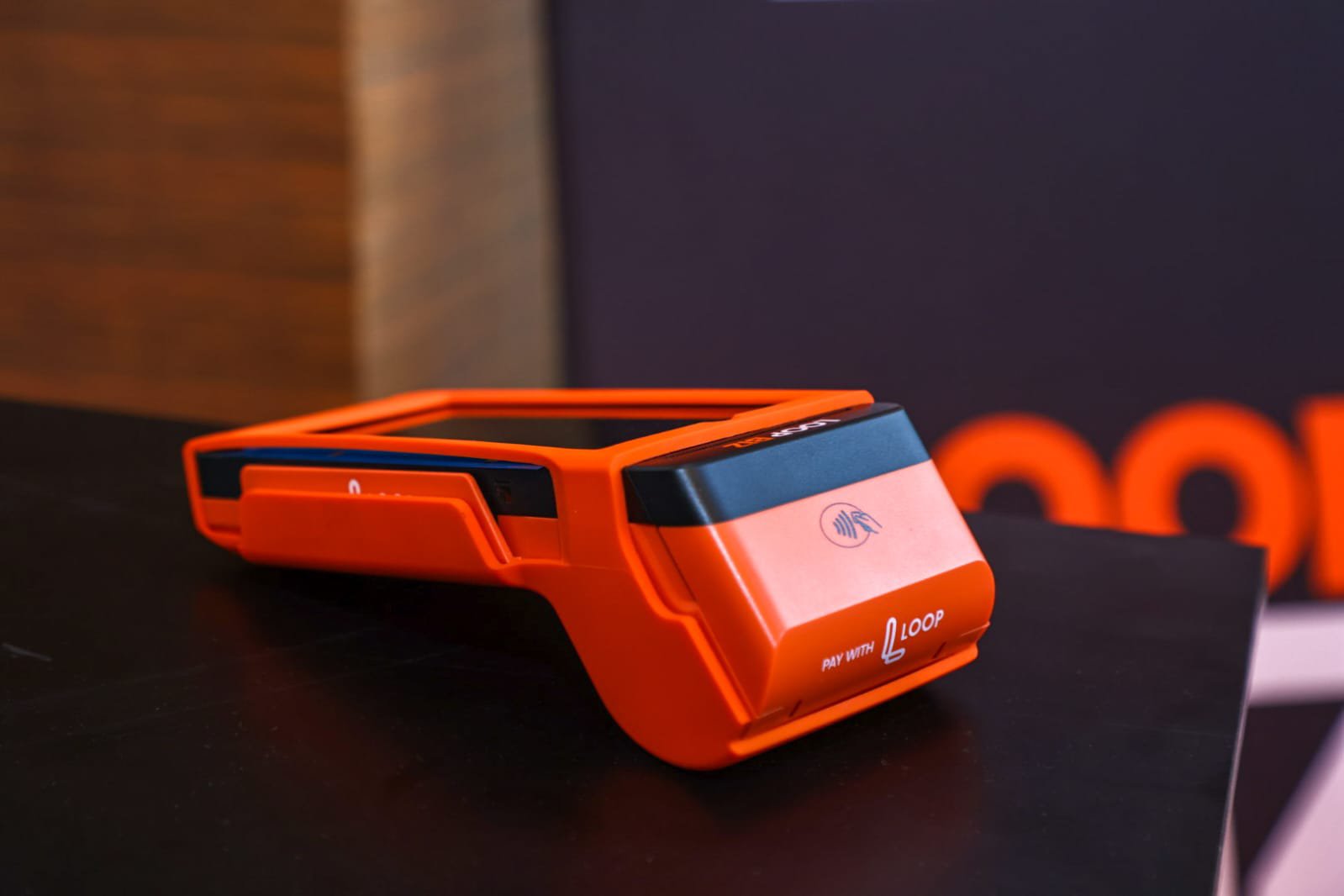
The LOOP Biz PDQ extends the payment capabilities available to merchants using LOOP Biz. It supports Visa and Mastercard transactions through chip insertion and contactless payments, M-PESA Till and Paybill payments, as well as M-PESA STK push. Customers can also pay through LOOP STK push at no charge. The device brings these options together at the counter, giving merchants more flexibility when receiving payments.
One device for different payment preferences
The LOOP Biz PDQ accepts card payments through chip insertion and contactless NFC technology. Customers with supported cards can insert their cards into the terminal or tap to complete a transaction. Merchants can also receive payments through M-PESA Till and Paybill, or initiate an STK push request for the customer to approve on their phone.
LOOP users have a separate payment option through LOOP STK push, which allows them to authorise a payment through the LOOP application. LOOP-to-LOOP payments are free.



Bringing these payment routes together gives businesses one device for customers who prefer different cashless payment methods. A retailer may serve someone paying by card, followed by a customer using M-PESA, while another customer may choose to pay through LOOP. The merchant can handle these transactions through the same terminal.
The PDQ is linked to the merchant’s LOOP Till, which is required to operate the device. Merchants can have funds settled into a bank account of their choice through the LOOP Till, giving them flexibility over where they receive their payments.
How STK push works at the counter
One of the useful features of the PDQ is STK push, which allows a merchant to initiate a payment request from the terminal while the customer approves it on their phone. The cashier enters the amount due and sends the payment request. The customer receives an STK prompt and authorises the transaction using their PIN.
Because the payment request carries the amount entered by the cashier, customers do not have to manually key in the payment amount or merchant Till number. This reduces the possibility of errors associated with entering payment details at checkout, although the cashier still needs to ensure the requested amount is correct.
The same approach applies to LOOP STK push. The merchant initiates the request through the PDQ, and the customer approves it using the LOOP application. This gives customers another way to complete a transaction without having to enter payment details manually.
Keeping track of payments after checkout
Accepting a payment is one part of running a business. Merchants also need to identify transactions, reconcile sales and keep records that can be retrieved when questions arise. The LOOP Biz PDQ supports this through transaction histories and downloadable reports.
Merchants can generate X reports for interim transaction checks and Z reports for end-of-day reconciliation. Staff can retrieve previous transactions and reprint receipts when customers need another copy or the business needs to review a sale. The terminal also supports administrator-controlled access for authorised users, helping businesses manage which employees can use the device.
The PDQ has a battery life of up to 48 hours on a full charge. The company has also outlined plans to enable eTIMS invoicing on the devices, allowing merchants to issue tax invoices through the terminal. The PDQ requires an internet connection through Wi-Fi or mobile data to process transactions.
Connecting sales to inventory management
Payment records become more useful when merchants can connect them to other parts of their operations. LOOP Biz also offers inventory management for limited liability companies and partnerships, with features covering stock tracking, low-stock alerts, business insights, supplier payments and staff roles.
When inventory management is active, a sale processed through the PDQ automatically updates the corresponding stock level. This helps merchants keep inventory records aligned with what has been sold and identify items that need replenishment.
The inventory tool also uses AI to track stock, forecast demand and recommend restocking, according to LOOP’s October launch announcement. It can flag slow-moving products, giving merchants another way to monitor stock and make purchasing decisions.
The inventory management feature is available through the LOOP Biz web platform, with a mobile app rollout planned for 2027. Its staff roles and permissions support the management of business tasks, complementing the administrator-controlled user access available on the PDQ.
Adding payment tools to an existing LOOP Biz account
LOOP Biz is available through the LOOP application and web platform. The PDQ subscription costs KSh1,200 per month, while inventory management costs KSh1,990 per month before tax. LOOP also offers a one-off payment option for the PDQ device.
These additions allow merchants to extend the capabilities of their existing LOOP Biz accounts. Businesses can use the payment terminal to accept different forms of cashless payment, while eligible merchants can add inventory management to support stock tracking and related tasks.
LOOP also provides merchants with access to LOOP Discover, a storefront within its consumer application. Businesses can list products on the platform and reach an audience of more than 500,000 users, according to the company’s launch announcement.
LOOP Biz is part of LOOP, NCBA Group’s digital platform for consumers and businesses. Its merchant offering brings payment acceptance together with tools intended to support everyday business operations. For merchants, the PDQ provides a single point for card, M-PESA and LOOP payments, while the wider LOOP Biz platform offers additional capabilities for managing transactions, stock and customer reach.
Go to TECHTRENDSKE.co.ke for more tech and business news from the African continent and across the world.
Follow us on WhatsApp, Telegram, Twitter, and Facebook, or subscribe to our weekly newsletter to ensure you don’t miss out on any future updates. Send tips to editorial@techtrendsmedia.co.ke

