
Kenya's economic stability is yet to translate into the investment and jobs the economy needs

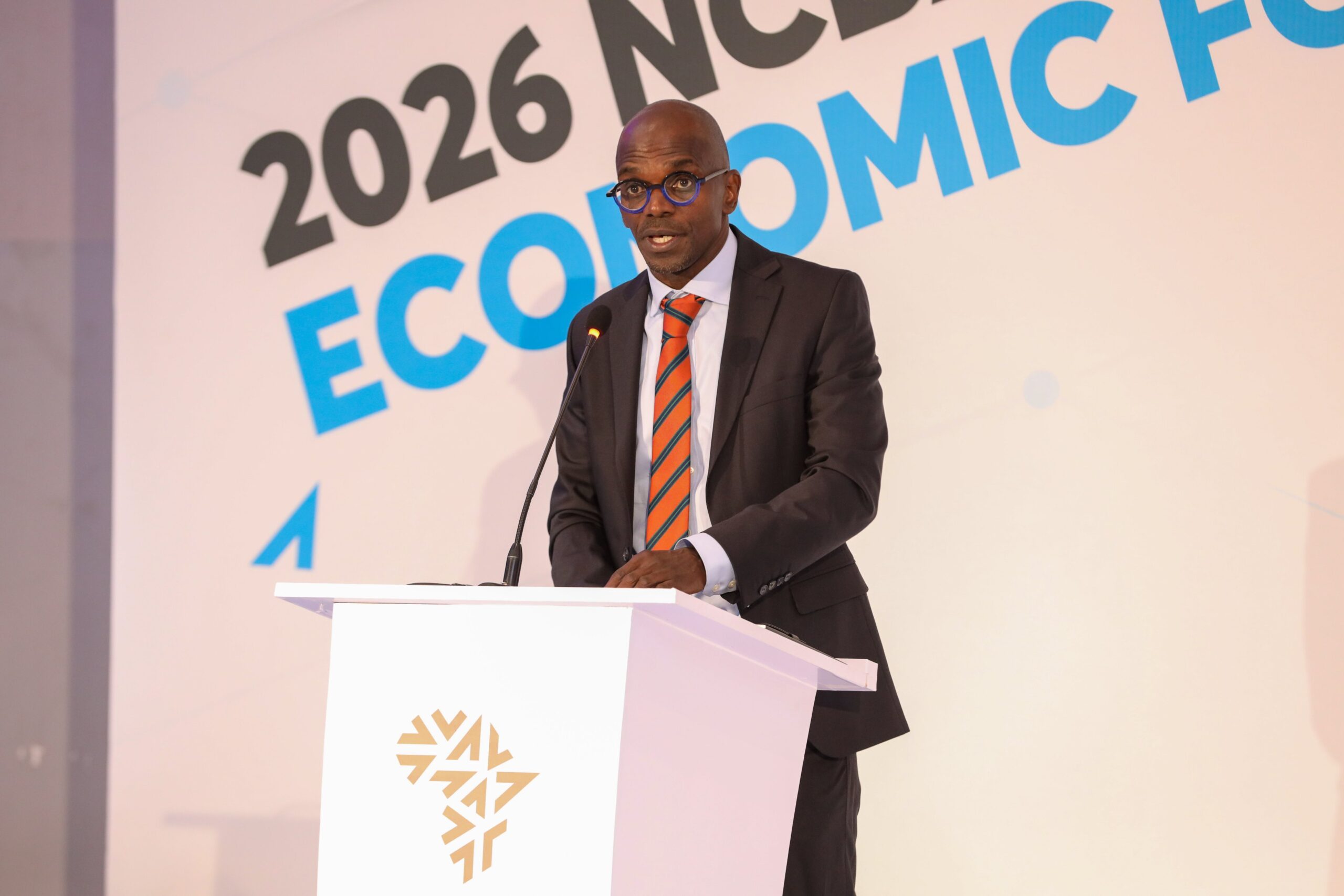
Kenya’s economic growth outlook remains positive, but the country’s ability to attract private investment and create productive employment will determine whether that expansion translates into stronger economic opportunities.
At the NCBA Economic Forum 2026, speakers examined the gap between improving macroeconomic conditions and the performance of businesses, investors and the labour market.
Raphael Agung, Global Markets and Chief Economist, NCBA Group, projected economic growth of 4.8% in 2026 and 4.5% in 2027. His outlook also pointed to inflation potentially reaching 7.5% by March 2027, with agriculture expected to grow by approximately 4.4%. The projections placed the economy on a path of continued expansion, although inflation, weather conditions, oil prices and fiscal consolidation remain important considerations.
World Bank Country Director Qimiao Fan presented a more structural assessment of the economy. He said approximately 84% of employment in Kenya was informal, highlighting the difficulty of translating national economic growth into stable and productive jobs.



Investment remains a central weakness
Fan identified weak foreign direct investment as another constraint on Kenya’s economic performance. He said FDI had remained below 0.5% of GDP since around 2018, compared with an average of approximately 1.5% to 2% among lower-middle-income countries.
The difference matters because private investment supports business expansion, productive capacity and employment. When companies cannot attract sufficient capital or commit to long-term expansion, economic growth has fewer opportunities to generate formal jobs.
Fan also discussed the pressure on public finances, placing the fiscal deficit at approximately 6.8% and public debt at around 70% of GDP. More than half of the debt was domestic, making government financing decisions important to the availability of credit for private businesses.
Private-sector credit had reached approximately 10.6% growth in September, according to Fan, while non-performing loans stood at about 13.9%. These figures illustrate the competing demands facing financial institutions as they manage credit risk and finance economic activity.
The challenge of turning stability into jobs
The forum’s discussion placed employment at the centre of Kenya’s development challenge. Economic stability provides a foundation for businesses to plan and invest, but it does not automatically produce the capital, infrastructure and market opportunities needed to expand their operations.
Agung’s outlook also pointed to an improvement in private-sector credit growth, which he projected could move from approximately 7% earlier in the year to 12% by December. That trajectory would support business financing, although the cost and accessibility of credit remain important to the pace of expansion.
Private investment will shape the next stage of growth
The discussion also raised the importance of predictable economic policy, fiscal discipline and lower operating costs. These conditions influence whether businesses expand, investors commit capital and employers create additional positions.
For Kenya, the challenge is to connect macroeconomic performance with the productive activities that sustain employment. Stronger private investment, access to finance and a business environment that supports expansion will determine how much of the projected growth reaches workers and enterprises.
Go to TECHTRENDSKE.co.ke for more tech and business news from the African continent and across the world.
Follow us on WhatsApp, Telegram, Twitter, and Facebook, or subscribe to our weekly newsletter to ensure you don’t miss out on any future updates. Send tips to info@techtrendsmedia.co.ke

