
Dangote's pipeline investment plan puts KPC at the heart of his East African ambitions

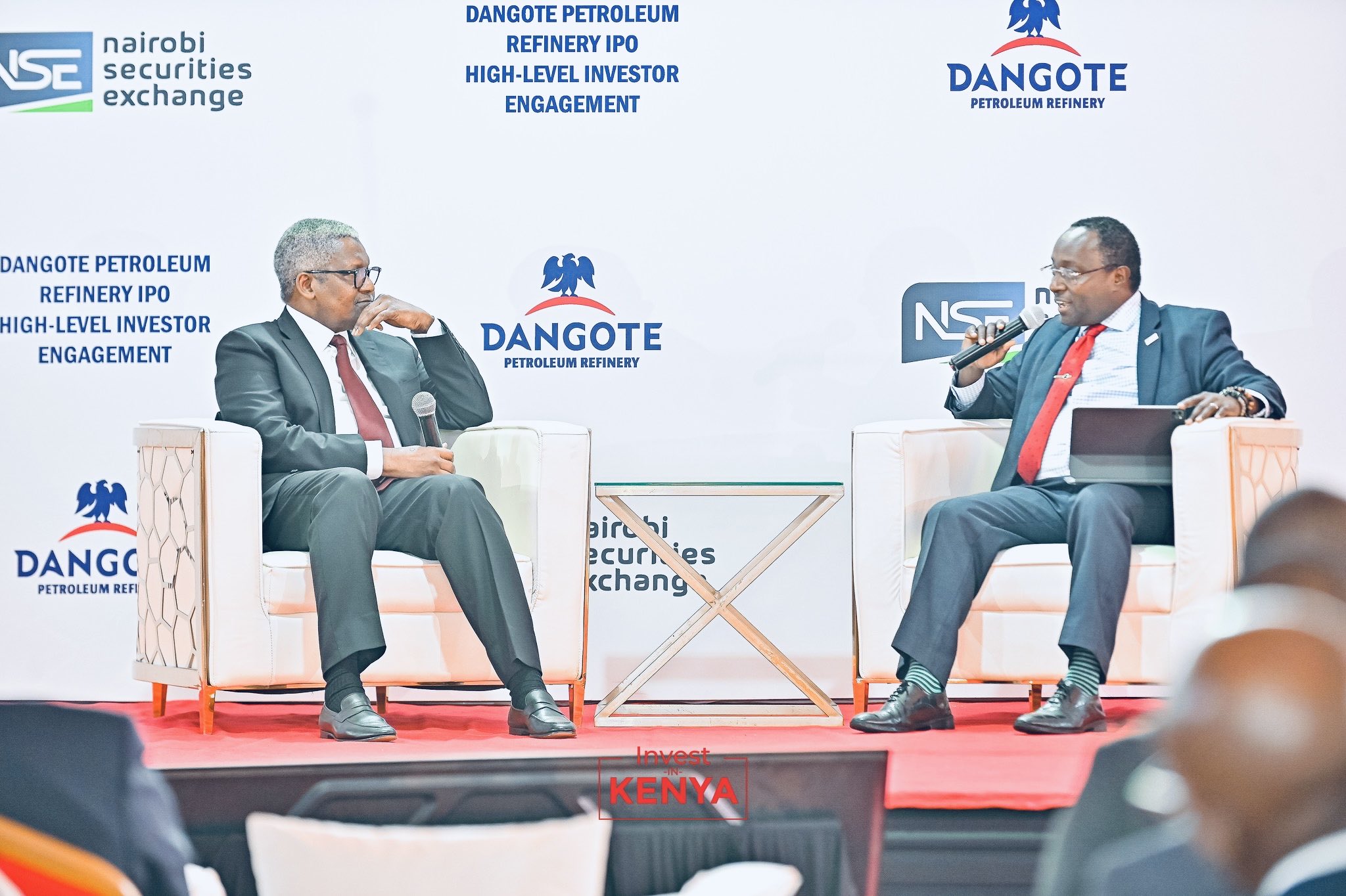
Aliko Dangote’s acquisition of a 24.76% stake in Kenya Pipeline Company (KPC) places one of East Africa’s most important petroleum transport networks at the centre of his plans to expand refining and fuel distribution across the continent.
The Nigerian billionaire has also outlined a proposed $1.5 billion (KSh194.8 billion) investment to expand KPC’s pipeline network, as he pursues a second 700,000-barrel-per-day refinery in Lamu.
The reported KSh42.5 billion share purchase, completed through a block trade on the Nairobi Securities Exchange (NSE) on October 19, gives Dangote-linked interests a substantial position in a company that moves refined petroleum products from the Port of Mombasa to inland Kenyan markets and neighbouring countries. The acquisition follows KPC’s March 2026 listing, which brought state-backed institutions and regional investors into its shareholder base.
The deal also comes as KPC considers how to finance its own infrastructure expansion and develop new revenue streams from storage and regional petroleum logistics. Managing director Pius Mbugua has said the company wants to explore ways of working with Dangote’s proposed Lamu refinery, viewing the project as a potential source of business for its existing infrastructure.
Dangote acquires a 24.76% stake in KPC
The transaction involved approximately 4.5 billion KPC shares, equivalent to 24.76% of the company’s 18.17 billion issued shares, at a reported price of KSh9.02 per share. The stake was sold by public-sector institutions that had acquired shares during KPC’s initial public offering.
The reported sellers included the National Social Security Fund, the Public Servants Pension Scheme, the County Workers Pension Fund and the Unclaimed Financial Assets Authority, alongside other state-backed and institutional investors. Their disposals have substantially reduced the combined holdings of pension funds and other public institutions that supported the IPO.
According to reporting on the transaction, international oil companies had also been approached about buying the stake but took longer to progress their interest, allowing Dangote to secure the deal. The account comes from sources familiar with the negotiations, who described the acquisition as a rapid decision after the opportunity was presented.
Following the transaction, the Kenyan government retains a 35% holding in KPC, while Uganda National Oil Company owns approximately 20.15%. Dangote-linked interests now rank among the company’s largest shareholders, although the acquisition does not by itself give them operational control.
The holding could provide Dangote with a platform to engage with KPC’s strategic direction as he develops plans for refining and petroleum distribution in East Africa. Any influence over board appointments or investment decisions will depend on the company’s governance arrangements and shareholder processes.
Why KPC’s pipeline network matters to Dangote
KPC operates approximately 1,342 kilometres of pipelines transporting petrol, diesel, jet fuel and other petroleum products from Mombasa to storage and distribution points across Kenya. Its network serves the domestic market and supplies neighbouring countries, including Uganda, South Sudan, Rwanda and parts of the Democratic Republic of the Congo.
The company’s results for the financial year ended June 2026 provide a measure of the business Dangote has invested in. KPC transported 10.61 billion litres of petroleum products during the year, while revenue rose by 8.8% to KSh42.98 billion and net profit increased by 13.1% to KSh11.58 billion.
This existing distribution network could be valuable to Dangote as he seeks to establish a refinery in Lamu capable of producing up to 700,000 barrels of petroleum products per day. A refinery requires more than processing capacity to reach customers: storage, transport infrastructure and access to regional markets are also central to its commercial performance.
Dangote’s proposed KSh194.8 billion investment in KPC’s pipeline network would be a major undertaking relative to the company’s own infrastructure programme. KPC has outlined a capital expenditure plan worth approximately KSh110 billion through 2030, covering pipeline construction, pumping capacity, storage and other infrastructure improvements.
The two investment plans could create opportunities to coordinate transport and storage capacity with future refinery output. However, their commercial relationship will depend on how individual projects are structured and developed.
KPC sees an opportunity in the Lamu refinery
Mbugua has welcomed the prospect of Dangote’s entry into Kenya’s petroleum market, saying KPC wants to explore how its infrastructure and operating expertise can complement the planned Lamu refinery. In an interview discussing KPC’s first annual results since listing, he said the company was keen to progress discussions with Dangote and make better use of its existing facilities.
One of KPC’s priorities is a proposed petroleum trading hub at the Kenya Petroleum Refineries Limited (KPRL) site, where the company has approximately 377 acres of land. The plan involves developing additional storage capacity for regional customers and potentially offering services such as bunkering and transshipment for petroleum cargoes moving to other destinations.
The hub could give fuel traders and regional buyers greater flexibility in storing and moving products, while providing KPC with revenue beyond its core transportation business. Mbugua said storage and transportation currently account for about 97% of KPC’s revenue, leaving room for the company to expand into complementary services.
He also argued that Kenya’s existing infrastructure should remain commercially useful as new investments enter the market. KPC’s pipelines, storage facilities and operational expertise could complement facilities developed by Dangote, depending on how the two businesses arrange their operations.
That approach could help limit unnecessary duplication of infrastructure and allow both sides to serve regional markets. For Dangote, working with an established pipeline operator could provide access to existing distribution capabilities; for KPC, additional refinery output could support greater utilisation of its storage and transportation assets.
The proposed trading hub remains a KPC development initiative, however, rather than a confirmed component of Dangote’s investment commitment.
Financing the next stage of KPC’s expansion
KPC’s own investment requirements help explain the scale of the proposed expansion. Mbugua said the company held approximately KSh20.5 billion in cash at the end of June 2026, while also planning a dividend payment of about KSh6 billion, subject to shareholder approval.
The managing director said a new pipeline comparable to the existing Mombasa-Nairobi line could cost KSh60 billion to KSh70 billion at current prices. He also estimated that adding a line or expanding capacity through upgrades to existing infrastructure could require KSh40 billion to KSh50 billion.
KPC is considering several financing options, including commercial debt, project finance, infrastructure bonds and partnerships. Mbugua said the company typically finances major infrastructure investments through a mix of approximately 30% equity and 70% debt, while exploring arrangements that would allow partners to contribute capital to specific projects.
The company also plans to improve operating efficiency. Electricity and maintenance are among its largest direct costs, and management is examining more efficient pumping systems, potential solar power deployment, planned maintenance and enterprise digital transformation.
These investments will compete with shareholder expectations for dividends. Dangote’s entry therefore comes at a point when KPC must balance returns to investors with the cost of maintaining and expanding infrastructure needed to support future demand.
Regional distribution and new infrastructure plans
KPC already holds a strong position in regional petroleum distribution. Mbugua said the company supplies approximately 96% of Uganda’s refined-fuel requirements, 71% of South Sudan’s and 77% of eastern DRC’s. He also identified Rwanda as a market where KPC could expand its share of supply.
The proposed trading hub is intended to support that regional role by providing storage and onward distribution services to additional customers. KPC is also considering LPG storage facilities in Nairobi, which could serve central Kenya, the Rift Valley and eastern Kenya, reducing the need for marketers to collect all their supplies from Mombasa.
Crude oil logistics represent another potential area of expansion. Mbugua said KPC was preparing to modify storage tanks at KPRL to handle crude oil associated with exports from Kenya’s emerging oil operations, with the company providing storage services while a separate operator handles road transport.
He also said KPC would consider an equity stake and an operating role in a future crude oil pipeline linking Lokichar to Lamu, if sufficient deposits are confirmed and the project proceeds. Such a pipeline would require substantial capital and potentially involve government and private-sector partners.
These initiatives are separate from Dangote’s proposed investment in KPC’s existing network, but together they illustrate the range of infrastructure decisions facing the company as it seeks to grow its business.
For Dangote, the combination of a substantial KPC shareholding and plans for a major Lamu refinery creates an opportunity to pursue a broader petroleum business spanning refining, storage and distribution. For Kenya, the commercial outcome will depend on how new capacity works with existing infrastructure and whether the investments translate into reliable supplies, efficient logistics and sustainable returns.
Real ESG impact doesn’t happen in panels alone, it happens in the rooms where financiers, operators, and policymakers actually align. Our GreenShift Forum 2026 cuts the noise, bringing together the people rewiring Africa’s sustainability and energy frameworks for one focused day in Nairobi. Secure your seat.
Go to TECHTRENDSKE.co.ke for more tech and business news from the African continent and across the world.
Follow us on WhatsApp, Telegram, Twitter, and Facebook, or subscribe to our weekly newsletter to ensure you don’t miss out on any future updates. Send tips to editorial@techtrendsmedia.co.ke


