
TikTok Launches AI Literacy Hub in Kenya as AI Safety Push Expands

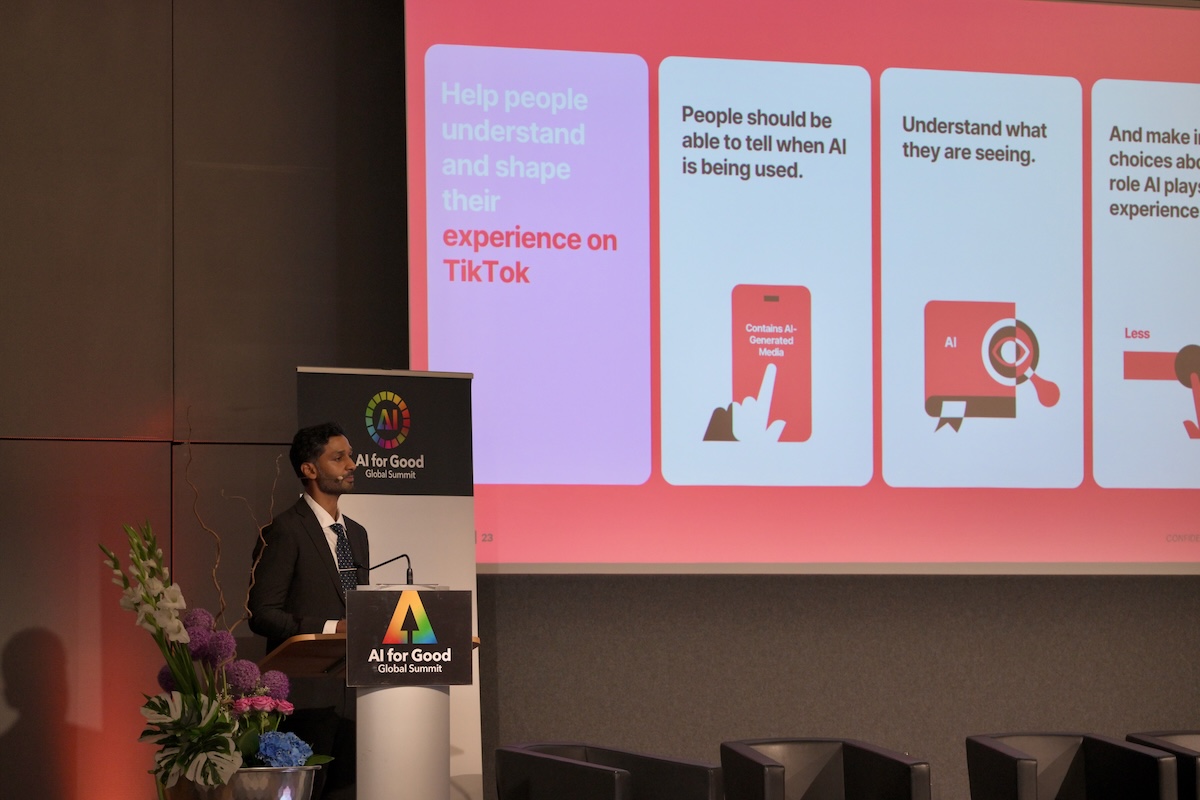
TikTok has recently launched a new wave of artificial intelligence (AI) safety and education initiatives aimed at improving AI literacy, increasing transparency around AI-generated content, and tackling AI-driven spam, as the platform responds to the growing influence of generative AI on social media.
The announcements were made during the AI for Good Global Summit in Geneva, where the company outlined measures designed to help users identify AI-generated content while ensuring creators can use AI tools responsibly.
The key focus is combating AI-generated spam, which has become an emerging challenge as generative AI makes it easier to produce large volumes of low-quality content. TikTok said it is testing new detection systems capable of identifying accounts that primarily publish AI-generated spam, helping to protect authentic creators and maintain trust on the platform.
However, the company also revealed that it removed more than 86 million fake accounts globally during the first quarter of 2026 as part of its ongoing efforts to curb spam and strengthen platform integrity.

TikTok is also accelerating efforts to make AI-generated content easier to identify. According to the company, more than three billion videos have now been labelled as AI-generated using a combination of Content Credentials, creator disclosure tools and invisible watermarking technology.
To further strengthen industry-wide transparency, TikTok has joined the Coalition for Content Provenance and Authenticity (C2PA) Steering Committee. The move places the platform among organizations working to develop global standards that help users verify whether digital content has been created or significantly altered using AI.

Speaking on the initiatives, Tom Varghese, AI Lead for TikTok’s Global Public Policy team, said the company wants users to have greater confidence when interacting with AI-powered content.
“We believe people should have context, confidence and control over their experiences with AI on TikTok. We continue to invest in technologies, partnerships and educational resources that help people spot AI-generated content, understand how it’s created, and use these tools creatively and responsibly,” he said.
Alongside new safety measures, TikTok is also expanding AI education across Africa through partnerships with media literacy organizations and civil society groups.
The platform is launching an in-app AI literacy hub in Kenya, Nigeria and South Africa, giving users access to educational resources that explain how AI-generated content is created, how to recognize it, and how AI tools are used on TikTok.
Furthermore, the initiative builds on TikTok’s AI Literacy Fund, which has received more than US$4 million in funding since its launch in November 2025. Through collaborations with organizations including Eveminet and Mtoto News in Kenya, Africa Check, the Centre for Journalism Innovation and Development, Paradigm Initiative, and Moxi Africa, the programme has generated more than 200 million views of AI literacy content across the continent.
TikTok said it plans to expand these partnerships to reach more communities as AI adoption continues to accelerate. Additionally, the company is also highlighting how African creators are using AI for education and digital storytelling. Creators including Tonnee Ndungu, Nyandia Gachago (Kenya), Olayemi Afolabi and Comfort Obiagbaoso (Nigeria) and Motso Mike and Akhil (AI Engineer and founder) from South Africa are increasingly using AI-powered production tools to develop original content while experimenting with new creative formats.
To support this, TikTok continues to roll out creator-focused AI features such as Smart Split and AI Outline, alongside content controls like Manage Topics, which allow users to personalise how much AI-generated content appears in their feeds.
Ultimately, the latest initiatives reflect growing efforts by major technology companies to balance rapid AI innovation with user safety, transparency and digital literacy as AI-generated content becomes an increasingly common part of the online experience.
Download the free Kaspersky SMB Cybersecurity Guide here to learn how businesses can move beyond traditional antivirus and build a more resilient approach to cybersecurity.


